

More news on this day
Wichita Dwight D. Eisenhower National Airport is facing mounting disruption as a broader wave of U.S. air travel chaos ripples across the country, with weather systems, congested hubs, and operational strains combining to delay and ground numerous flights into and out of south-central Kansas.
Get the latest news straight to your inbox!
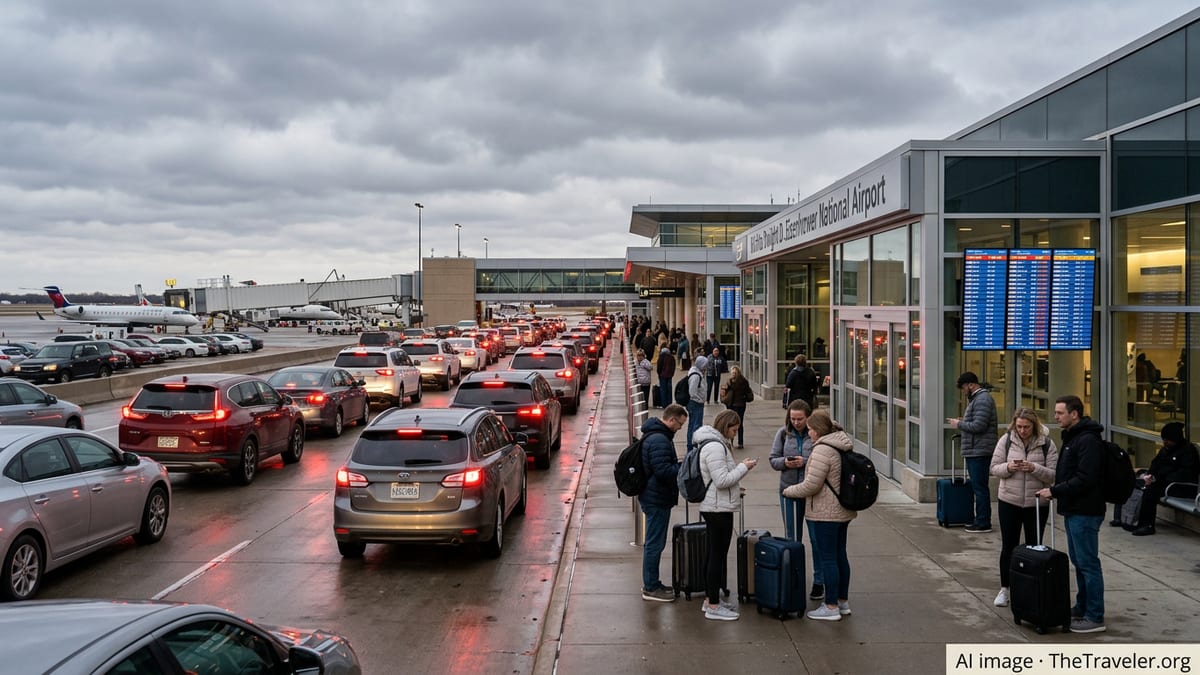
Nationwide Travel Turbulence Reaches Wichita
Recent weeks have seen U.S. air travel battered by volatile weather and systemwide scheduling pressures, and Wichita’s primary commercial airport is increasingly caught in the fallout. While the facility itself continues normal operations, publicly available flight data and media coverage indicate that connections through major hubs are experiencing significant delays and cancellations, leaving Wichita-bound passengers stranded or rebooked on later services.
The impact follows a winter in which a powerful late-January storm produced one of the heaviest periods of weather-related flight cancellations in recent U.S. history. That nationwide disruption created lingering crew and aircraft imbalances that continue to affect smaller markets such as Wichita, where many itineraries rely on tight links through airports like Dallas–Fort Worth, Denver, Chicago, and Atlanta.
Travelers connecting to or from Wichita now face an environment where a thunderstorm thousands of miles away or a bottleneck at a coastal hub can cascade quickly into delays on the Great Plains. Published reports describe an elevated level of cancellations and rolling delays across major airlines, particularly during peak travel periods and active weather days.
Weather Systems and Hub Disruptions Trigger Cancellations
Weather remains a central driver of the current crunch. Heavy snow and ice across parts of the Midwest and Great Plains earlier in the year produced record daily snowfall totals for cities including Wichita, with knock-on effects for runway operations, deicing capacity, and airline scheduling. Aviation trackers documented tens of thousands of canceled flights nationwide on the worst days, significantly outpacing typical winter disruption levels.
More recently, strong thunderstorm systems and low clouds over key hubs have led to ground stops and flow-control programs that slow or temporarily halt arrivals. According to airline advisories and traveler reports, carriers have issued travel waivers for several major metropolitan regions, allowing passengers to rebook without change fees. These waivers frequently cover connecting traffic, which means that itineraries touching Wichita can suddenly become nonviable when an upstream leg is scrubbed.
In practice, this often manifests as Wichita flights being delayed due to late incoming aircraft or canceled outright when route networks cannot be rebalanced in time. Even when conditions are clear over south-central Kansas, the airport’s relatively small number of daily departures leaves limited flexibility to absorb sudden schedule changes, making each cancellation more disruptive for local travelers.
What Passengers at Wichita Are Experiencing
Accounts from recent travelers indicate a patchwork experience at Wichita Dwight D. Eisenhower National Airport, with some days passing relatively smoothly and others marked by abrupt cancellations or multi-hour delays. Social media posts and online travel forums referencing Wichita point to early-morning departures that operate on time, followed by later flights impacted by weather build-ups and congestion at larger hubs.
Passengers report crowded gate areas at times, as multiple delayed departures overlap, as well as longer lines at check-in and security during peak windows. Discussions on regional community forums suggest that while security wait times in Wichita generally remain shorter than those at large hubs, travelers are increasingly building in extra time at the airport in anticipation of unexpected schedule changes.
Some flyers have described being automatically rebooked onto later same-day flights or next-day services after missed connections elsewhere in the network. Others note that they have proactively adjusted itineraries, choosing earlier departures from Wichita to increase the likelihood of making onward connections, or routing around hubs that have seen repeated weather or congestion problems.
Operational Strain on Airlines Serving Wichita
Airlines operating at Wichita Dwight D. Eisenhower National Airport are navigating the same operational pressures affecting carriers nationwide, including aircraft positioning challenges, crew scheduling constraints, and evolving demand patterns. Publicly available data from federal aviation filings and airport activity reports show that Wichita functions as a small hub within broader airline networks, leaving it highly sensitive to disruptions in larger markets.
Industry analysis points to a tight balance between supply and demand, especially on regional and mid-continent routes. When storms or system issues force mass cancellations in major cities, carriers often prioritize reinstating high-volume trunk routes first, with smaller spokes like Wichita restored as resources allow. That dynamic can temporarily reduce frequencies or leave gaps in the schedule for south-central Kansas travelers.
Regulatory updates published by federal authorities also highlight ongoing adjustments to airspace and instrument flight procedures affecting the Wichita region. While such changes are primarily intended to enhance safety and efficiency, they can require short-term operational adaptations by airlines and air traffic managers, adding another layer of complexity during already turbulent travel periods.
How Travelers Can Navigate the Ongoing Disruption
With flight reliability under pressure across much of the United States, travel experts recommend that Wichita passengers treat the coming weeks with heightened caution. Public guidance from airlines and travel advisories emphasize the importance of monitoring flight status frequently, using carrier apps, text alerts, and airport information displays to track last-minute changes.
Many carriers are offering flexible rebooking policies or waivers tied to specific storms and regional disruptions. Wichita travelers may benefit from reviewing these policies ahead of departure, particularly if itineraries rely on historically congested hubs or late-evening connections. Some passengers are also opting for earlier flights, longer connection times, or alternative routings to reduce the risk of missed links.
Given the potential for rapid changes, travelers departing from or arriving in Wichita are increasingly advised, in publicly available guidance, to arrive at the airport earlier than usual, ensure that contact details are updated with airlines, and prepare backup plans for accommodations or ground transport in the event of extended delays. While conditions at Wichita Dwight D. Eisenhower National Airport remain generally orderly, the broader U.S. travel environment continues to be volatile, and local flyers are feeling the effects.