

More news on this day
Vietnam’s tourism revival is colliding with a strained aviation system, leaving many travelers uneasy as packed airports, shifting schedules and tight aircraft supply fuel uncertainty around their flights.
Get the latest news straight to your inbox!
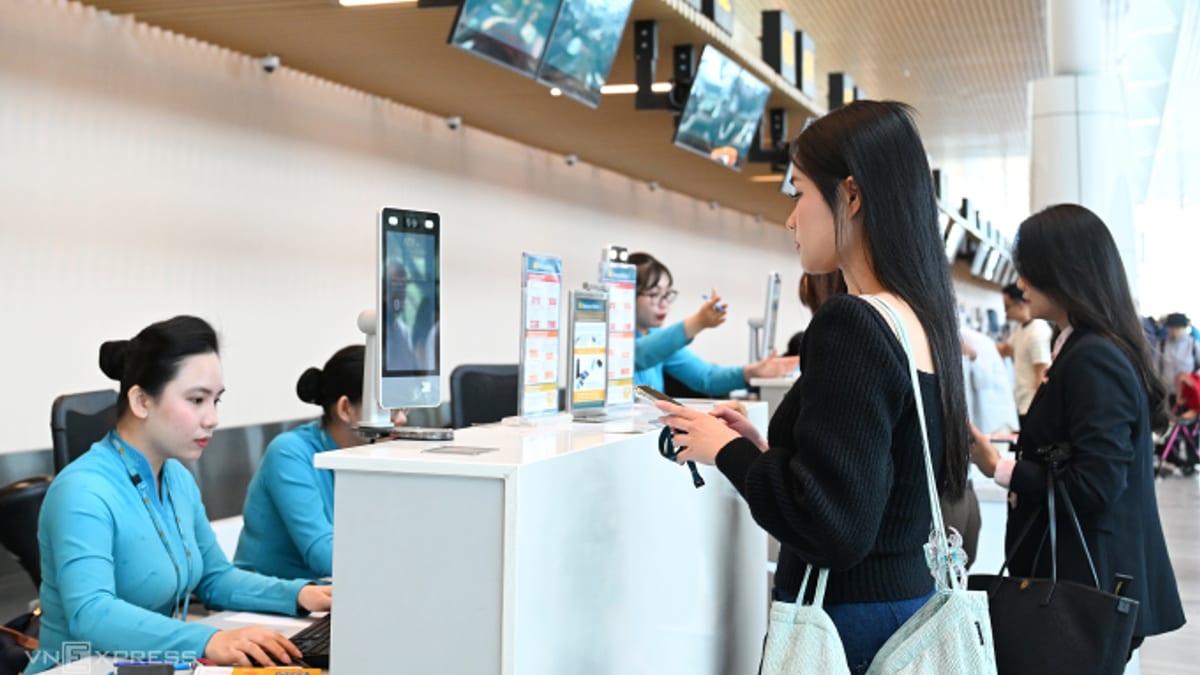
Image by VnExpress International
Strong Demand Meets Tight Airline Capacity
Vietnam’s tourism sector is entering one of its busiest periods in years, with international arrivals and domestic travel both climbing on the back of relaxed visa rules and aggressive promotion campaigns. Publicly available data from tourism authorities and financial analysts indicates that airlines are adding routes and frequencies, yet demand for seats is rebounding even faster than capacity.
Industry reports on Vietnam’s aviation recovery describe a market still wrestling with aircraft shortages that began in late 2023 and have not been fully resolved. Carriers have relied on denser scheduling, higher aircraft utilization and more night flights to meet demand, but these measures leave little margin for disruption. When a technical issue, weather event or crew constraint arises, the knock-on effects can cascade through the network.
For travelers, this tight operating environment translates into heightened anxiety over whether flights will run on time, be rescheduled at short notice or be consolidated with other services. Many itineraries within Vietnam now connect with onward regional flights, so even short domestic delays can jeopardize long-haul plans, increasing the perceived risk of missed connections and unexpected overnight stays.
Travel advisers and online forums increasingly highlight the importance of buffer time between flights to or within Vietnam. However, the appeal of low-cost carriers and tight schedules remains strong, particularly among budget-conscious visitors and returning overseas Vietnamese, reinforcing a sense that every trip involves trade-offs between cost, convenience and reliability.
Congested Airports and Delayed Infrastructure Projects
Major gateways such as Tan Son Nhat in Ho Chi Minh City and Noi Bai in Hanoi are under visible pressure as passenger volumes rise. Publicly accessible statistics and local coverage describe terminals operating close to or above their design capacity, leading to long queues at check in and security, crowded boarding gates and taxiway bottlenecks that can delay takeoff and landing slots.
Tan Son Nhat remains Vietnam’s busiest airport, handling tens of millions of passengers annually despite its constrained airfield and urban location. Night-time operating limits further restrict capacity, intensifying daytime peaks. For travelers, this congestion often appears as last-minute gate changes, extended time on the tarmac and wider arrival time windows, all of which feed a perception that timetables are indicative rather than reliable.
The country’s flagship infrastructure project, Long Thanh International Airport near Ho Chi Minh City, is intended to relieve pressure by adding significant new capacity. Yet recent local reporting describes missed opening milestones and concerns about connecting road and rail links. While authorities continue to target operations starting around mid-2026, uncertainty over the timeline reinforces the sense that capacity relief is not immediate.
As long as existing airports carry more passengers than they were originally built to serve, experts caution that even small operational hiccups can ripple through the system. Travelers navigating these hubs often plan for long layovers or arrive far earlier than usual, adapting their behavior in response to an environment where predictability feels limited.
Visa Easing Encourages Travel, But Complexity Remains
Recent and ongoing changes to Vietnam’s visa policies are encouraging more people to visit, but they also add another layer of complexity to trip planning. Government resolutions and tourism announcements have expanded visa exemptions for additional markets and extended the length of stay available under e-visas. These reforms are widely credited in local and regional coverage with pushing international arrivals sharply higher in 2024 and 2025.
However, travelers must navigate a patchwork of rules that differ by nationality, length of stay and purpose of visit. New exemptions for certain European countries, evolving e-visa validity periods and overlapping temporary policies can be difficult to track, particularly for those piecing together multi-country itineraries around Southeast Asia. Confusion over what documentation is required at the time of travel can amplify worries about rebooking flights if entry conditions are misunderstood.
Travel companies and tourism boards promote the new visa flexibility as a key advantage compared with pre-pandemic rules, but some also emphasize the need for careful pre-departure checks. For anxious travelers, the prospect of combining changing visa arrangements with busy airports and tight flight schedules can feel daunting, even if actual entry denials remain rare.
The result is a paradox: easier access draws more visitors into Vietnam’s skies and terminals, yet the very success of these policies contributes to a crowded, high-stakes environment in which flight disruptions have a larger emotional and financial impact.
Holiday Peaks Intensify Pressure on Popular Routes
Peak travel periods such as Lunar New Year, summer holidays and major festivals are intensifying the strain on Vietnam’s aviation network. Local tourism portals and airport authorities forecast hundreds of additional flights into destinations like Da Nang and Nha Trang during holiday windows, highlighting rapid growth in both scheduled and charter operations that connect Vietnam with regional hubs and secondary cities.
While the expansion of routes brings new options for travelers, it also creates seasonal spikes in congestion. During these peaks, even minor weather events or air traffic control constraints can lead to waves of delays and occasional cancellations as airlines attempt to rotate aircraft across dense networks. Reports from previous holiday seasons in Vietnam describe crowding at check in counters, scarcity of spare seats for reaccommodation and long waiting times for rebooking assistance.
Travelers who experienced relatively smooth journeys in quieter months may be surprised by the intensity of peak-season pressure. This gap between expectation and reality can heighten anxiety, particularly among infrequent flyers or families traveling with young children and elderly relatives. Many now build extra days into itineraries around key holidays to create a buffer against disruption, effectively reshaping how vacations and homecoming trips are planned.
As domestic tourism grows alongside inbound international travel, inland routes linking major cities with coastal resorts and highland destinations are becoming especially sensitive to seasonal swings. This layered demand underscores why periods around Tet and other holidays are watched closely by airlines and passengers alike.
What Travelers Can Do to Reduce Uncertainty
In the face of these structural and seasonal pressures, practical steps can help travelers feel more in control of their Vietnam journeys. Travel advisories and airline communications generally encourage allowing longer connection times, particularly when switching between domestic and international services, and avoiding last-minute dash connections that leave little room for delays.
Flexible tickets and travel insurance with clear coverage for delays and cancellations are increasingly promoted by booking platforms and agents serving Vietnam-bound travelers. While such products add to the total cost, they can mitigate the financial impact of missed connections or forced itinerary changes, easing some of the anxiety that stems from not knowing how disruptions will be handled.
Keeping contact details updated with airlines and enabling notifications in carrier apps or messaging services can provide earlier warning of schedule changes. For travelers navigating busy airports, arriving earlier than in pre-pandemic years, especially during local holidays or major events, remains a common recommendation from tourism bodies and airport operators.
Yet even with careful preparation, the gap between Vietnam’s fast-growing appetite for air travel and the capacity of its aviation infrastructure means a measure of uncertainty is likely to persist. For many visitors, acknowledging that itineraries may shift has become part of the mental checklist when planning a trip to or within the country.