

Flying to the Netherlands can be surprisingly affordable if you understand when to travel, which airports to target, and how airline pricing really works. Whether you are planning a first-time city break in Amsterdam or a slow-travel tour of Dutch towns and countryside, timing and airport choice have a major impact on your budget and your experience. This guide distills the latest trends and expert strategies so you can find fair fares without spending hours in search engines.
Understanding the Flight Landscape to the Netherlands
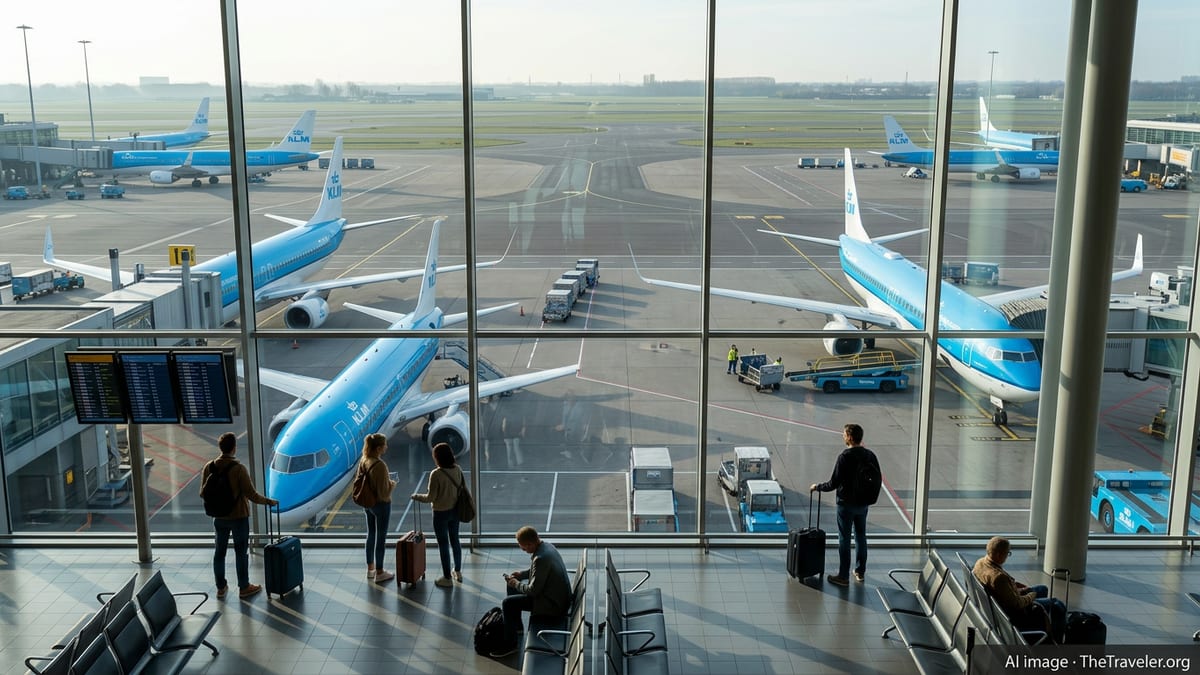
The Netherlands punches above its weight in aviation. Amsterdam Airport Schiphol is one of Europe’s largest hubs by passenger volume, connecting the country to more than 300 destinations worldwide. It serves as the primary base for KLM and an important European hub for carriers such as Delta and several low cost and leisure airlines. That extensive connectivity keeps competition relatively strong on many routes, including from North America, the United Kingdom, and major European capitals.
Beyond Schiphol, the country relies on a small but strategically located network of regional airports. Eindhoven Airport in the south and Rotterdam The Hague Airport on the west coast focus on European and holiday traffic, especially low cost flights. A handful of even smaller airports, including Maastricht Aachen and Groningen Eelde, offer seasonal and niche services. For most international travelers, especially long haul visitors, Amsterdam remains the main gateway, yet these secondary airports can be powerful tools for finding cheaper or less crowded itineraries.
Passenger numbers at Dutch airports have rebounded strongly since the pandemic, with tens of millions of travelers moving through Schiphol and several million more using Eindhoven and Rotterdam each year. Traffic is still shifting and airlines are frequently adjusting schedules and capacity, which means that booking patterns that worked five years ago may not be optimal today. Instead of relying on old rules of thumb, it is better to combine current data with flexible planning and a basic understanding of how demand ebbs and flows over the year.
For most visitors, the cost of getting to the Netherlands is the single largest line item in the trip budget. The good news is that prices remain highly dynamic and can fluctuate by hundreds of dollars or euros depending on the month, day of the week, and how far in advance you book. The rest of this guide explains how to turn that volatility in your favor, without needing to become an airfare expert.
Cheapest Months to Fly to the Netherlands
Airlines serving the Netherlands price their tickets around clear peaks in demand. The most expensive periods tend to be late spring through early summer and the December holiday period, when leisure travelers, school breaks, and business trips all collide. In practice that usually means higher fares from around late April through June and again in December, especially around Christmas and New Year. If you must travel in those windows, you will want to be even more strategic about booking.
The cheapest months for flights are usually those with softer tourism demand and fewer major holidays. For transatlantic routes, that often falls in late winter and the shoulder seasons. January and February can bring relatively low fares into Amsterdam and the regional airports, especially on weekdays and with at least some advance planning. Early March and much of November also tend to be attractively priced, provided you avoid specific event weeks, major trade fairs, and school vacation periods in your departure country.
For many travelers, the sweet spot is the European shoulder season. Flying in early spring, roughly from late March into April before the main summer wave, or in early autumn from mid September into October, frequently produces better prices than high summer. You may still encounter spikes during popular events such as Amsterdam’s large conferences or major festivals, but average fares during these months are often lower than in July and August. Several independent analyses of ticket data also show that, on many routes, late August and September can be significantly cheaper than early summer while still offering pleasant weather in the Netherlands.
Within any given month, prices are highly sensitive to the day you fly. Midweek departures, especially on Tuesdays and Wednesdays, often come in cheaper than Friday or Sunday flights, which are favored by both business travelers and weekend city break visitors. Overnight departures, very early morning flights, or itineraries with a longer layover can also be priced more favorably. To identify the best month and specific dates for your route, use flexible date calendars in major flight search tools and scan an entire month at once rather than checking only one or two days.
Best Airports in the Netherlands for International Travelers
For most international visitors, Amsterdam Airport Schiphol is the default arrival point. Located just southwest of the capital, it offers by far the largest selection of long haul and European connections in the country. As KLM’s home base and a major SkyTeam hub, Schiphol offers extensive onward connections across Europe, Asia, Africa, and the Americas on a single ticket, which is particularly attractive if you are connecting from a smaller city. The airport is linked to Amsterdam Central Station by frequent trains that usually take less than 20 minutes, making it a convenient base for city stays and nationwide travel.
Eindhoven Airport, in the southern part of the country, is the Netherlands’ second busiest passenger airport. It focuses on European and holiday routes operated largely by low cost and leisure carriers. While you will not find nonstop flights from North America here, you may uncover excellent value on flights from European hubs such as London, Berlin, Milan, or Barcelona. For travelers combining the Netherlands with Belgium, Germany, or a broader Benelux itinerary, Eindhoven can be a practical and sometimes cheaper alternative, especially if you are comfortable with low cost carrier policies on baggage and seating.
Rotterdam The Hague Airport occupies a niche between regional and international usage. It serves the Rotterdam and The Hague metropolitan area, with a mix of business and leisure routes, mostly within Europe. It is smaller and calmer than Schiphol, which many travelers appreciate, but it has a far more limited network and very few long haul options. From a pricing perspective, Rotterdam occasionally shines on specific city pairs where low cost carriers compete directly with legacy airlines, but the smaller scale means you will not always find a bargain compared with Amsterdam.
There are also small regional airports such as Maastricht Aachen and Groningen Eelde handling a modest volume of seasonal and charter flights. These can occasionally be useful if you are traveling to or from nearby regions in Germany or Belgium, or if you find a promotional fare tied to a package holiday. For most independent travelers, however, the best strategy is to search broadly into the Netherlands as a whole, compare prices into Amsterdam, Eindhoven, and Rotterdam, and then factor in the cost and convenience of onward ground transport before choosing the final arrival point.
How Seasonality and Events Affect Fares
Weather and tourism cycles in the Netherlands are closely tied to airfare patterns. The country enjoys mild summers, cool winters, and a reputation for year round cultural appeal, but international visitor numbers spike in late spring and summer. April draws crowds for tulip season and events such as King’s Day, while the June through August period is classic European holiday time. Airlines respond by deploying more capacity on popular routes while also raising prices in line with strong demand.
Shoulder seasons, typically March to early April and again from mid September through October, see more moderate demand. Hotels and attractions remain open, but crowds thin out, especially outside Amsterdam. For airlines, this often means a need to entice travelers with more competitive fares or occasional promotions. If you are flexible about weather and prefer a slightly quieter experience, these months can strike an excellent balance between cost and comfort.
Winter introduces a different pattern. From early January until early March, leisure demand from many markets drops, particularly for short breaks. That slump often translates into lower fares, even on nonstop routes from major cities. The exception is around specific holidays and school breaks, especially Christmas, New Year, and some February vacation periods in Europe and North America, when fares can rise sharply. If you are aiming for a winter visit filled with museums, cafes, and perhaps a chance of frost or light snow, targeting non-holiday weeks can produce substantial savings.
Events and trade fairs can have an outsized influence on prices, especially if they draw international crowds to Amsterdam or Rotterdam over a short period. Large business conferences, major sports events, or festival weekends can push up both airfare and hotel prices. Because exact dates change year to year, it is wise to check the calendar for your intended month of travel and, if possible, avoid peak event weeks unless they are the reason for your trip. When those dates are unavoidable, booking earlier than usual and being open to nearby airports becomes even more valuable.
Smart Booking Strategies for Cheaper Flights
When to book matters almost as much as when to travel. Analyses of recent global ticketing data suggest that for many international routes, including those to Europe, the most favorable booking window is often a few weeks to a couple of months before departure rather than many months in advance. Booking too early can limit your ability to benefit from sales or competitive adjustments, while booking at the last minute usually means paying a premium, especially on popular nonstop routes.
As a rough guide, many travel analysts now suggest that for long haul flights to Europe you should start tracking prices several months ahead and aim to book in the window from a few weeks to about two months before departure, adjusting for major holidays and peak seasons. For shorter European hops into the Netherlands, the optimal window may be a bit shorter, sometimes in the range of four to seven weeks out. These are not hard rules and vary by route, airline, and season, so the safest approach is to monitor fares regularly using price alerts rather than waiting for a mythical perfect day.
Flexibility is one of the most powerful tools for keeping fares down. Being willing to shift your trip by a few days, choosing a different departure airport, or accepting a longer layover can sometimes shave a significant amount off the ticket price. Flight search engines with flexible date calendars and fare alerts allow you to visualize how prices move across an entire month and highlight anomalies such as a steep drop in the middle of a week. Once you identify a strong fare, it is often best to book directly with the airline, which can simplify later changes or disruptions.
Finally, avoid getting lost in minor price changes. Airfares can fluctuate daily by modest amounts that do not meaningfully affect your overall budget. Set a realistic target price based on your route, season, and tolerance for connections, and be prepared to book once a fare meets that threshold. If you see a price that is clearly below the prevailing average for your dates and cabin, consider that your signal rather than holding out indefinitely for a slightly better deal that may never appear.
Using Nearby Airports and Open-Jaw Tickets
Many travelers automatically search for round trips to and from Amsterdam alone. While that works for most itineraries, you can sometimes unlock cheaper or more convenient options by thinking more broadly. One tactic is to search for flights into Amsterdam and out of another Dutch or nearby European airport, or the reverse. These so called open jaw tickets allow you to enter and exit the region from different points, which can reduce backtracking and occasionally tap into lower fares on less obvious city pairs.
Within the Netherlands, combining Amsterdam with Eindhoven or Rotterdam can work well for travelers planning to explore multiple regions. For example, you might arrive at Schiphol, travel overland through the country, and then depart from Eindhoven after spending time in the southern provinces or neighboring Belgium. In some cases, it may even be cheaper to fly into a nearby foreign airport such as Brussels or Düsseldorf and continue by train or coach into the Netherlands, especially if a strong promotion targets those gateways.
Low cost carriers play a special role in this strategy. They often operate from Eindhoven, Rotterdam, or regional airports in neighboring countries, and can provide very competitive one way fares that you mix and match with a long haul ticket. The trade off is stricter rules for checked bags, cabin luggage, seat selection, and schedule changes, so you need to price those extras carefully. Even after adding a checked bag, a low cost flight into or out of a regional airport can still undercut a traditional round trip through Amsterdam.
When building such itineraries, allow generous connection times, especially when you are on separate tickets. If your long haul flight is delayed and you miss a separately booked low cost connection from another airport, the second airline is not obligated to accommodate you. In general, it is safer to plan an overnight stop or at least several hours of buffer when switching between tickets or airports, and to purchase travel insurance that covers missed connections where available.
Practical Tips to Keep Total Costs Down
Airfare is only one piece of your total trip cost, and a cheaper ticket can quickly lose its advantage if it forces you into expensive connections or add ons. When comparing options, factor in airport transfers, luggage fees, seat selection charges, and any extra overnight stays. A nominally more expensive nonstop into Schiphol may end up cheaper overall than a multi stop itinerary into a distant airport once you account for train fares, baggage surcharges, and an extra hotel night.
Consider traveling with carry on luggage only, especially on itineraries that include low cost carriers. Many airlines now charge for checked bags on the lowest economy fares, and fees can add up quickly on multi segment trips. Packing light not only saves money but also makes it easier to navigate train stations, trams, and city streets once you arrive. If you do need checked luggage, compare fares in the so called standard or main economy categories, which sometimes include a bag and better change conditions for a modest additional cost.
Time of day matters as well. Very early morning departures and late evening arrivals can be cheaper, but you need to ensure that public transport or reasonably priced taxis are available at both ends. In the Netherlands, trains and buses serve Schiphol and other airports extensively, but late night options can be more limited. If a cheap flight forces you into a costly private transfer or airport hotel, the savings may evaporate.
Loyalty programs and credit card rewards can also help reduce the net cost of flights to the Netherlands. Accumulated miles or points can sometimes be used for discount awards, upgrades, or companion tickets, particularly on routes served by global alliances such as SkyTeam, Star Alliance, and oneworld. Even if you are not a frequent flyer, signing up for programs and paying attention to occasional promotions can yield useful savings or added comfort on a long flight.
The Takeaway
Finding affordable flights to the Netherlands is less about secret tricks and more about understanding patterns. Prices are shaped by predictable peaks in demand, such as late spring, high summer, and major holidays, alongside softer periods in late winter and the shoulder seasons. Amsterdam Airport Schiphol dominates the country’s air traffic and offers the broadest connectivity, yet secondary airports like Eindhoven and Rotterdam The Hague, and even nearby foreign hubs, can play a valuable supporting role in your search for value.
By combining flexible travel dates, a realistic booking window, and a willingness to consider open jaw routes or nearby airports, you put yourself in a strong position to capture fair fares. Tools such as flexible date calendars and price alerts make it easier than ever to see when a ticket is attractively priced for your route and season. From there, your focus should shift to total trip cost, balancing airfare against ground transport, luggage fees, and schedule convenience.
Ultimately, the best strategy is to decide what matters most for your trip: absolute lowest price, minimal travel time, or a balance of comfort and budget. Once you know your priorities, the Dutch aviation network and the wealth of routing options across Europe give you ample room to design an itinerary that fits both your plans and your wallet.
FAQ
Q1. What is generally the cheapest month to fly to the Netherlands?
There is no single guaranteed cheapest month every year, but fares are often lower in late winter and parts of the shoulder seasons, such as January, February, early March, and November, outside of holiday weeks.
Q2. How far in advance should I book flights to Amsterdam?
For long haul routes many travelers find reasonable fares by booking several weeks to a couple of months before departure, while short haul European flights can sometimes be booked closer in, around one to two months out, depending on the season.
Q3. Is it always cheaper to fly into Amsterdam Schiphol?
Not always. Amsterdam offers the most options and competition, which often helps prices, but on some routes a low cost carrier serving Eindhoven, Rotterdam, or a nearby foreign airport can undercut Schiphol, especially for one way tickets.
Q4. Are midweek flights to the Netherlands cheaper than weekend flights?
They often are. Many routes see higher demand on Fridays and Sundays, so flying on Tuesdays, Wednesdays, or Saturdays can sometimes produce noticeably lower fares, although this varies by airline and time of year.
Q5. Can flying into one Dutch airport and out of another save money?
Sometimes. Open jaw tickets, such as arriving in Amsterdam and departing from Eindhoven or Rotterdam, can reduce backtracking and occasionally tap into better fares, particularly when combined with low cost carriers and a one way pricing strategy.
Q6. Is it worth considering airports in Belgium or Germany when visiting the Netherlands?
Yes, for some travelers. Airports such as Brussels or Düsseldorf are reachable by train or coach and sometimes offer competitive fares or promotions that, when combined with ground transport, can be cost effective compared with flying directly into Amsterdam.
Q7. Do flight prices to the Netherlands drop at the last minute?
They can, but relying on last minute drops is risky. On popular routes and during busy periods, prices often rise as departure approaches, so waiting in hope of a sudden discount can result in significantly higher fares or limited choice.
Q8. How much can flexibility with travel dates really save?
Being flexible by just a few days can sometimes shave a meaningful amount off your ticket price, especially if it allows you to avoid peak weekends, holidays, or specific event weeks when demand is high and fares are elevated.
Q9. Are low cost airlines a good option for reaching the Netherlands?
They can be, particularly for travelers already in Europe. Low cost carriers serve airports like Eindhoven and Rotterdam and sometimes Amsterdam itself, but you should factor in extra fees for baggage, seat selection, and payment methods when comparing their prices with traditional airlines.
Q10. What is the best way to monitor fares for my trip to the Netherlands?
Use reputable flight search tools with flexible date views and price alerts, start tracking fares several months before your planned trip, then book when you see a price that fits your budget and is clearly competitive for your route and season.