

More news on this day
A routine crossing on Odisha’s Chilika Lake turned into a tense ordeal in early 2026 when a floating bridge vessel became stranded with around 30 tourists on board, prompting a rescue that has again pushed safety standards on the popular lagoon crossing under scrutiny.
Get the latest news straight to your inbox!
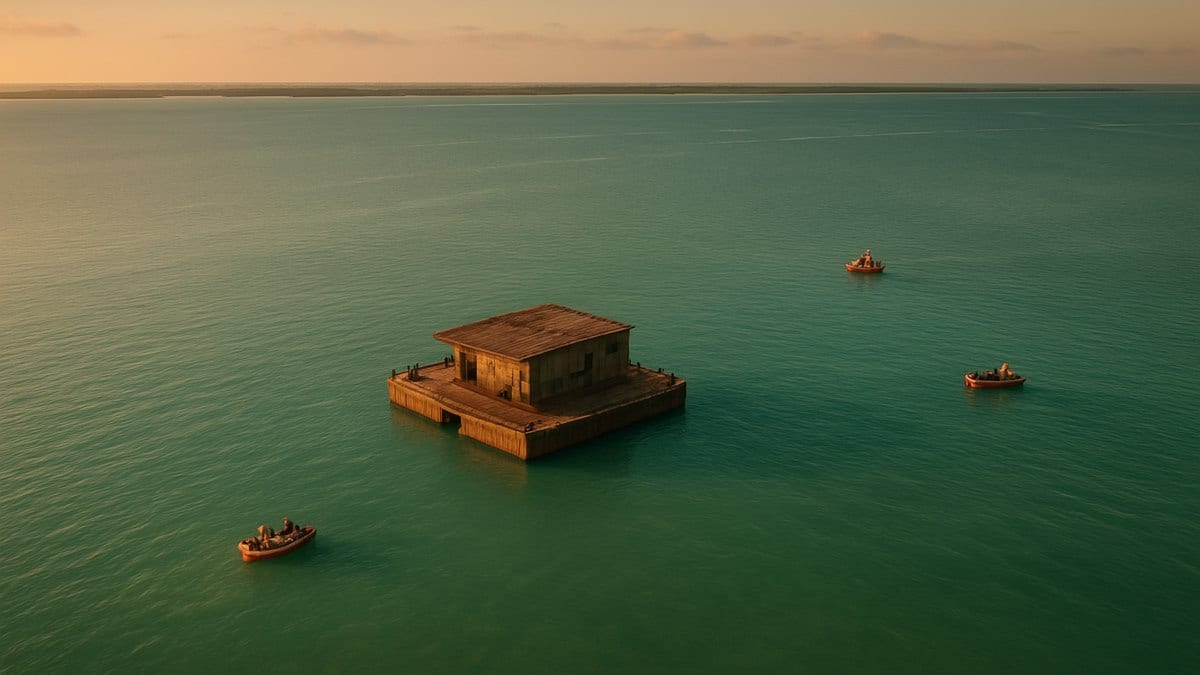
Tourist Vessel Stranded in Dense Chilika Fog
According to regional media coverage, the incident occurred during a scheduled crossing between key embarkation points on Chilika Lake, when a floating bridge type vessel operating as a vehicle-and-passenger ferry lost safe navigational conditions in dense winter fog. Initial reports indicate that visibility on the vast brackish water lagoon deteriorated rapidly, leaving the vessel unable to proceed or safely return to shore.
The stranded craft was carrying roughly 30 tourists, many of them domestic holidaymakers using the shortcut across the lake to reach coastal destinations. Witness accounts quoted in local coverage describe the vessel remaining adrift for an extended period while crew attempted to maintain position and await assistance in low-visibility conditions.
Chilika Lake, which spans parts of Odisha’s Puri and Ganjam districts, is a major tourism draw and a crucial transit corridor for residents and visitors. The combination of shallow stretches, extensive fishing nets and seasonal fog has long been identified as a navigational challenge for ferries and tourist boats using the Satapada to Jahnikuda route and similar crossings.
Although dense fog is common on the lake during peak winter mornings, the latest stranding has intensified debate over whether existing operational cutoffs and contingency planning are sufficient for vessels carrying both passengers and vehicles.
Swift Rescue Avoids Casualties but Raises Questions
Publicly available information shows that rescue teams using additional boats and support craft reached the floating bridge vessel and evacuated all 30 tourists without loss of life. Passengers were transferred in phases to safer craft and brought ashore after spending several anxious hours on the water. No serious injuries were reported, though local accounts describe episodes of panic among some travelers as the delay lengthened.
The quick evacuation stood in sharp contrast to earlier episodes on Chilika where larger numbers of passengers had remained stuck for longer periods due to fog or mechanical problems. In previous years, vessels on the same waterway have been reported stranded with more than 50 passengers, buses and private vehicles on board, in some cases requiring prolonged rescue and recovery efforts.
In the 2026 incident, the relatively smaller number of tourists and the proximity to other operating boats appear to have helped responders complete the transfer operation more rapidly. Even so, images and descriptions circulating in regional outlets depict crowded decks, limited lifejackets and passengers clustered toward railings, reinforcing concerns over how a more serious emergency might have unfolded.
For many travelers, the episode has underlined the thin margin of safety when adverse weather or equipment issues interrupt movement on what is effectively a moving bridge packed with people and vehicles.
Pattern of Ferry and Floating Bridge Incidents on Chilika
The latest stranding fits into a wider pattern of incidents on Chilika Lake over recent years involving ferries, floating bridge vessels and tourist boats. Reports from 2024 and 2025 documented multiple cases of boats suffering technical snags or getting stuck in shallow waters, leaving dozens of passengers waiting for relief in open conditions. In one widely reported case, a vessel carrying a bus and more than 60 passengers was stranded near Satapada due to mechanical failure.
Earlier coverage also highlighted a fatality linked to a floating bridge crossing in heavy fog, which preceded tighter local advisories on boat movements in the early morning hours. In addition, high-profile delays involving political delegations have periodically drawn national attention to the lake’s transport vulnerabilities and the condition of its public ferry infrastructure.
Safety advocates and transport observers note that Chilika’s mix of official ferries, contracted floating bridge vessels and smaller private tourist boats can create uneven standards in maintenance, training and emergency preparedness. Overcrowding, inconsistent use of lifejackets and ad hoc responses to sudden fog banks are recurring themes in local reporting and traveler accounts.
While none of these factors alone caused the 2026 incident, the stranded floating bridge with 30 tourists has been widely interpreted as another warning sign that current risk controls remain fragile, particularly during the fog-prone winter months when tourist traffic is still strong.
Operational Curbs and Safety Measures Under Review
In response to previous fog-related mishaps, district notifications have already imposed restrictions on the timing of ferry and tourist boat operations on Chilika Lake, especially during peak winter. Publicly posted advisories have called for suspending services during hours of very low visibility and urged stricter oversight of passenger loads and life-saving equipment.
The new stranding incident is expected to feed into an ongoing debate over whether such measures go far enough. Commentators in Odisha’s regional press have raised questions about enforcement on the water, noting that commercial pressures can encourage operators to push departures closer to the limits of the permitted window, or to continue sailing in marginal visibility in order to meet demand.
Some transport analysts writing in local outlets argue that more robust vessel tracking, mandatory fog protocols and standardized safety drills for mixed passenger-and-vehicle ferries would help reduce the impact of sudden weather changes on the lake. Others have pointed to the need for more reliable alternative road connections so that tourists and residents are less dependent on a small number of heavily used water routes.
Insurance and liability considerations are also drawing greater scrutiny as each high-profile incident on Chilika adds to a record of operational disruptions. The relatively successful rescue of the 30 tourists in 2026 may lessen immediate pressure, but the event is likely to be cited in future discussions on minimum safety benchmarks for operators seeking to run floating bridge style vessels on the lagoon.
Tourism Image and Traveler Guidance
For Odisha’s tourism sector, the latest episode on Chilika Lake presents a delicate challenge. The lagoon is marketed as a highlight of coastal itineraries for both domestic and international visitors, known for its birdlife, dolphins and island excursions. A series of reports about stranded boats and anxious passengers risks undermining that image at a time when the state aims to expand its visitor base.
Travel industry observers note that greater transparency about safety measures, clear public advisories and visible adherence to loading and lifejacket rules can help restore confidence. Some tour operators already recommend that visitors schedule lake crossings outside peak fog hours, verify whether their vessel is operating within official guidelines and avoid overcrowded boats, especially when carrying children or elderly family members.
For travelers planning Chilika trips in 2026, the stranded floating bridge vessel with 30 rescued tourists serves as a reminder to factor seasonal weather patterns into itineraries. Choosing reputable operators, paying attention to local announcements about delays or suspensions, and being prepared for schedule changes can all reduce the stress if conditions deteriorate.
Chilika remains one of eastern India’s most distinctive water landscapes, but the latest incident underlines that its crossings are not routine commuter rides. As discussions over regulation and infrastructure continue, the 2026 stranding is likely to stand as a case study in how quickly a scenic transit can become a safety test on one of the country’s busiest lagoons.