

More news on this day
A floating bridge vessel carrying around 30 passengers became stranded on Chilika Lake in Odisha, briefly trapping tourists on one of eastern India’s busiest backwater routes and renewing questions about safety and oversight on popular leisure crossings.
Get the latest news straight to your inbox!
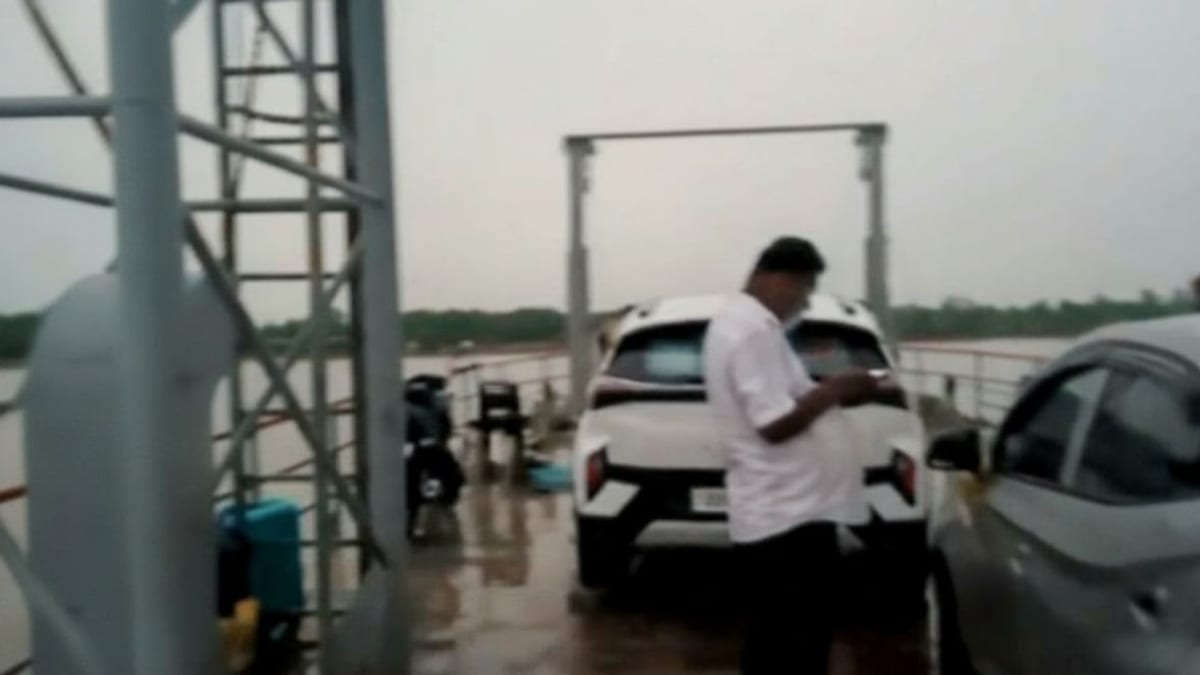
Vessel stalls on shallow stretch of iconic lagoon
Initial reports indicate the incident occurred on a shallow stretch of Chilika Lake, a brackish water lagoon straddling the districts of Puri, Ganjam and Khurda in Odisha. The vessel, described as a floating bridge-type craft used to ferry passengers across wider channels, lost maneuverability and came to a halt away from the nearest jetty.
Accounts from local coverage suggest that about 30 passengers were on board when the vessel became stranded. Weather conditions were reported to be generally fair, and there were no immediate indications of a collision or structural damage, pointing instead to operational or technical causes.
Chilika Lake is a key link for residents and tourists moving between lakeside settlements and pilgrimage centers along the coast. The affected route is understood to be one of the regular crossings used by visitors heading toward tourism hubs and bird-watching points around the lagoon.
No serious injuries were reported in connection with the incident, but the temporary immobilization prompted concern among passengers and prompted a coordinated response from local operators.
Technical glitch and low-depth conditions under scrutiny
Publicly available information suggests that a technical fault on the vessel, combined with low water depth in parts of the lake, may have contributed to the breakdown. Similar vessels in the region operate close to sandbars and shifting channels, where even minor equipment issues can quickly leave a craft without sufficient power or steering.
Local media coverage of previous incidents on Chilika Lake has frequently pointed to engine problems, steering failures and sudden changes in water level as recurring risk factors. In this case, early accounts emphasize the role of mechanical issues rather than extreme weather, highlighting the importance of regular maintenance for crafts serving high-traffic tourist corridors.
Investigations typically focus on the condition of propulsion systems, fuel lines and emergency backup mechanisms. Observers note that floating bridge vessels, designed to carry both people and occasionally light vehicles, place continuous strain on engines and support structures, particularly when operating near their capacity in variable lake conditions.
Authorities responsible for water transport oversight are expected to review inspection records, crew certifications and recent repair logs for the craft involved, as part of wider efforts to understand how a vessel carrying several dozen passengers became disabled in open water.
Swift assistance limits risk for passengers
According to regional news reports, nearby boats and support craft moved toward the stranded vessel once it became clear the floating bridge was unable to continue its journey. Operators in Chilika’s busy channels are accustomed to providing mutual assistance in the event of mechanical failure, which can significantly reduce response times when incidents occur away from shore.
Accounts from the scene indicate that passengers remained on board while the vessel’s crew and assisting boats worked to stabilize the situation. With lake conditions described as relatively calm, there was limited immediate risk of capsizing, although the lack of movement and uncertainty over repair timelines caused evident distress among some travelers.
Rescue and support teams in the region typically focus on transferring vulnerable passengers first, including children, older travelers and those with medical conditions. On this occasion, the priority centered on restoring safe navigation and ensuring that the vessel could be brought back toward a jetty without placing additional strain on its engines or hull.
The incident ended without reports of major injury, highlighting both the vulnerability of lake transport to technical failures and the value of rapid, coordinated response practices among local operators.
Spotlight on Chilika’s water safety record
The latest stranding has revived public discussion about Chilika Lake’s broader safety record. The lagoon is one of India’s most visited wetland destinations and has seen previous boating mishaps, including capsizes and vessels drifting off course in adverse weather or low-visibility conditions.
Past accidents on the lake have prompted calls for stricter enforcement of passenger limits, compulsory life jackets, and more frequent inspection schedules for engines and hulls. Reports have also highlighted gaps in communication equipment, with some smaller boats relying on mobile phones instead of standardized marine radios for emergency calls.
Observers note that floating bridge vessels, which operate as wide, barge-like platforms, can create a perception of greater security compared with smaller boats. However, safety advocates argue that these crafts require equally rigorous standards, given their larger passenger loads and the potential for overconfidence when weather appears benign.
The latest incident is likely to feature in ongoing assessments of Chilika’s transport infrastructure, including discussions on investment in newer vessels, clearer route markers across shallow stretches and better monitoring of traffic during peak tourist seasons.
Implications for tourism and local livelihoods
Chilika Lake supports a dense network of livelihoods that depend on safe and predictable water transport. Fishing communities, homestay operators, birding guides and small eateries around key jetties all rely on visitors who traverse the lake on ferries and tourist boats.
Even brief disruptions can affect perceptions among travelers who may be wary of boarding vessels after reading about technical failures and strandings. Travel industry observers caution that repeated incidents, even without fatalities, can influence tour operators’ itineraries and reduce overnight stays in lakeside villages.
Local stakeholders have frequently called for balanced messaging that acknowledges risks while emphasizing improvements in safety standards. Measures such as visible life jacket use, pre-departure briefings and clear display of vessel capacity limits are seen as practical steps to reassure visitors.
As regional tourism bodies continue to promote Chilika as a flagship eco-tourism destination, the stranding of a floating bridge vessel with around 30 passengers is likely to reinforce arguments for sustained investment in safer boats, better-trained crews and more robust oversight of routes that thousands of travelers use each season.