

More news on this day
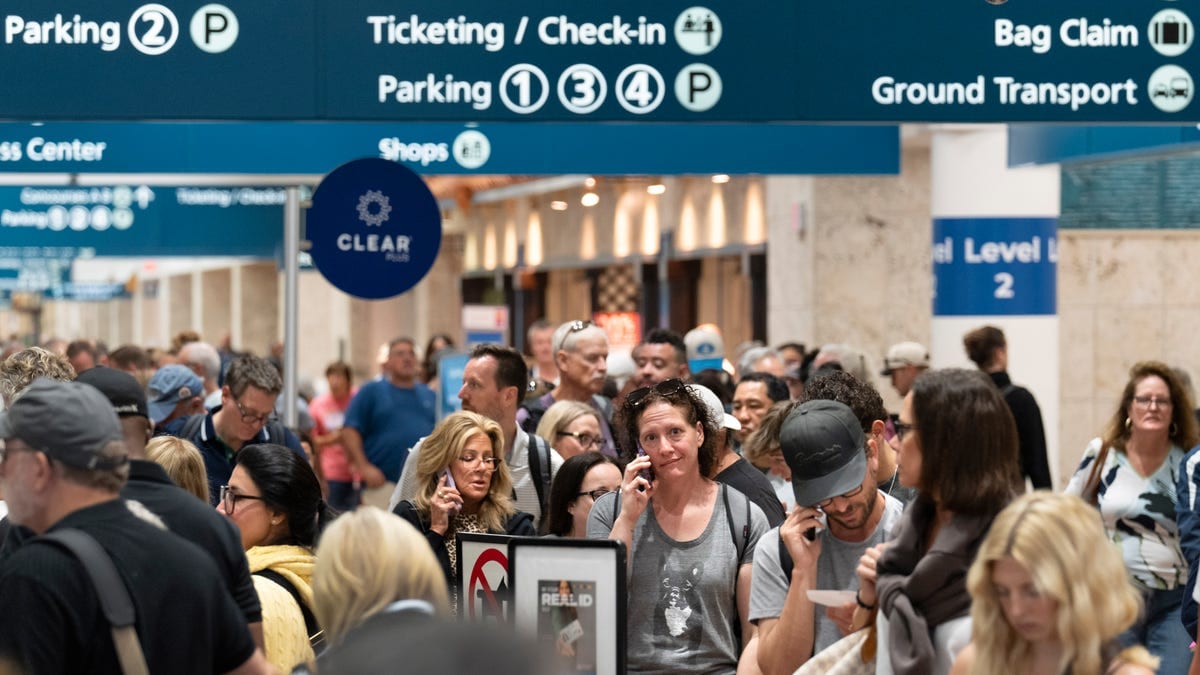
Florida’s three busiest international gateways for leisure travel, Orlando, Miami and Fort Lauderdale, faced pockets of flight delays and cancellations over Easter 2026 as severe weather elsewhere in the United States and intense holiday demand rippled through airline schedules.
Get the latest news straight to your inbox!
Holiday rush meets a strained national flight network
Publicly available tracking data and industry coverage indicate that Easter weekend 2026 emerged as one of the busiest travel periods of the year across the United States, with airlines operating near peak capacity. Reports from national outlets describe more than a thousand cancellations and many thousands of delays nationwide during the core holiday window as storms disrupted major hubs and pushed carriers’ schedules to the limit.
Analyses of disruption patterns over the weekend show that the worst of the operational strain was concentrated on Easter Saturday, when severe weather affected large connecting airports such as Dallas Fort Worth and Chicago O’Hare. Those problems did not remain local. Aircraft and crew imbalances created by earlier storms continued into Easter Sunday and Easter Monday, producing rolling delays at airports far from the original weather systems, including in Florida.
In this context, Orlando International (MCO), Miami International (MIA) and Fort Lauderdale-Hollywood (FLL) did not experience the country’s highest cancellation totals, but they did see elevated levels of delay. Flight status snapshots and travel reports from the period point to afternoon and evening hours as the most affected, especially on routes tied to already stressed hubs in the Midwest and Texas.
Travel commentary over the weekend also highlights how full flights left airlines with limited room to rebook disrupted passengers. Even when Florida airports were not directly hit by storms, travelers reported longer waits for alternate seats and more crowded gate areas as carriers worked through national backlogs.
Orlando International Airport: Delays spike around afternoon peaks
Data cited in Easter-weekend disruption roundups identify Orlando International as one of several large U.S. leisure hubs experiencing significant knock-on delays. While Orlando did not register the highest absolute number of cancellations compared with northern airports affected by severe weather, delay totals on key holiday travel days climbed well above normal spring averages.
Operational snapshots from March 29, which corresponded with the Easter Sunday peak, show that many MCO departures operated, but often behind schedule. Flights linking Orlando with storm-affected hubs in the Midwest and Texas were especially vulnerable to rolling delays as those airports managed their own congestion and recovery. Passengers connecting through Orlando onto those networks frequently encountered tighter connections and gate changes as airlines adjusted routings.
Local weather in the Orlando area added an additional complication. Forecasts for Easter Sunday pointed to scattered afternoon showers, increasing the likelihood of short ground stops and spacing restrictions in already busy airspace. While these showers did not constitute a major storm system, even brief reductions in arrival and departure rates can stack up into longer waits when demand is at holiday levels.
Accounts from recent weeks leading into Easter suggest that Orlando’s terminals and security lines were already under pressure from spring break traffic. Travelers reported crowded checkpoints and longer processing times, reinforcing that any schedule disruption, however minor on paper, could translate into a more challenging experience on the ground during the Easter rush.
Miami International Airport: Heavy volume and regional knock-on effects
Miami International entered Easter 2026 on track for one of its heaviest spring travel periods, with both domestic and international demand elevated. Aviation-focused reporting notes that Miami’s on-time performance can soften during peak seasons, in part because the airport serves as a major connecting point for flights across Latin America and the Caribbean that are vulnerable to weather and congestion across a wide geographic area.
Over the Easter weekend, publicly available flight-tracking summaries show Miami recording a notable share of delayed operations, although not at the very top of the national rankings. Disruptions were most common on routes connecting through weather-affected hubs and on some long-haul services where aircraft rotations had already slipped earlier in the week. Some long-haul departures left later than scheduled as airlines waited for inbound aircraft to arrive.
Travel discussion forums from the same period describe mixed experiences at Miami, with some passengers moving quickly through check-in and security while others reported extended waits at peak times. This variability reflects how unevenly the national disruption map played out: passengers on routes insulated from storm-hit hubs encountered relatively smooth operations, while those with tight connections or complex itineraries were far more likely to be delayed.
Operational statistics from previous years underline that Miami’s holiday performance often depends on how well the broader network is functioning. In Easter 2026, with severe weather impacting several major U.S. hubs and a saturated nationwide schedule, Miami’s role as a connector meant it absorbed a noticeable, if not extreme, share of the weekend’s disruption.
Fort Lauderdale-Hollywood: More modest but still noticeable disruptions
Compared with Orlando and Miami, Fort Lauderdale-Hollywood International appeared to experience a somewhat milder set of delays and cancellations over Easter 2026. Travel coverage referencing airport-level performance over the period suggests that average departure delays at FLL frequently fell in the short to moderate range, measured in tens of minutes rather than hours, for most affected flights.
For passengers, however, even modest delays during a compressed holiday schedule can be consequential. At Fort Lauderdale, the mix of low-cost carriers and point-to-point routes means that travelers often have fewer same-day rebooking alternatives when a flight is cancelled or significantly delayed. This structure can turn a single operational issue into an overnight stay or a missed cruise departure, especially on popular leisure routes to the Caribbean.
Historical planning documents and airport guidance emphasize that South Florida airports routinely deal with weather-related constraints during much of the year. Around Easter 2026, that familiar pattern combined with the national holiday rush to create isolated bottlenecks, even on days without major local storms. Brief thunderstorms or heavy showers in the wider South Florida region likely forced air traffic controllers to slow the flow of arrivals and departures, rippling through tightly timed schedules.
Although Fort Lauderdale did not feature prominently in national tallies of Easter-weekend cancellations, anecdotal accounts and flight-status snapshots show that passengers still faced gate-hold times, rolling departure estimates and occasional equipment swaps as airlines worked around disruptions elsewhere in their networks.
What Easter 2026 reveals about Florida’s vulnerability to national shocks
The pattern of delays and cancellations across Orlando, Miami and Fort Lauderdale over Easter 2026 illustrates how exposed Florida’s tourism-focused airports are to events far beyond the state’s borders. Even when local conditions are relatively manageable, storms and congestion at key connecting hubs can cascade into hours of delays for Florida-bound travelers.
Industry analyses published in the wake of the holiday weekend stress that high aircraft utilization, packed load factors and tighter crew scheduling have reduced the system’s ability to absorb shocks. During a peak period like Easter, a single day of intense disruption at a major hub can generate residual delays lasting well into the next week, as aircraft and crews gradually return to their planned rotations.
For travelers heading to or from Florida’s big three airports, the Easter 2026 experience reinforces long-standing advice. Monitoring flight status closely in the 24 hours before departure, allowing additional time at the airport, and considering earlier flights in the day can all help reduce the risk of severe knock-on impacts from national disruptions.
Looking ahead to the rest of 2026, early spring patterns suggest that Florida’s airports are likely to remain busy, with leisure demand staying strong and airlines maintaining dense schedules. While not every holiday period will coincide with the kind of severe weather that marked Easter 2026, the weekend’s disruptions underscore how quickly conditions can deteriorate when storms and saturation meet in an already stretched aviation system.