

Florida has rarely been more popular. Record-breaking visitor numbers and a strong tourism economy have filled beaches, theme parks and city centers from Pensacola to Key West. Yet many travelers still arrive in the Sunshine State expecting bargain-holiday prices of years past, only to discover that Florida in 2026 is a far more complex value equation. Costs are rising in some destinations and sectors, but there are still pockets of affordability for those who know where and how to look.
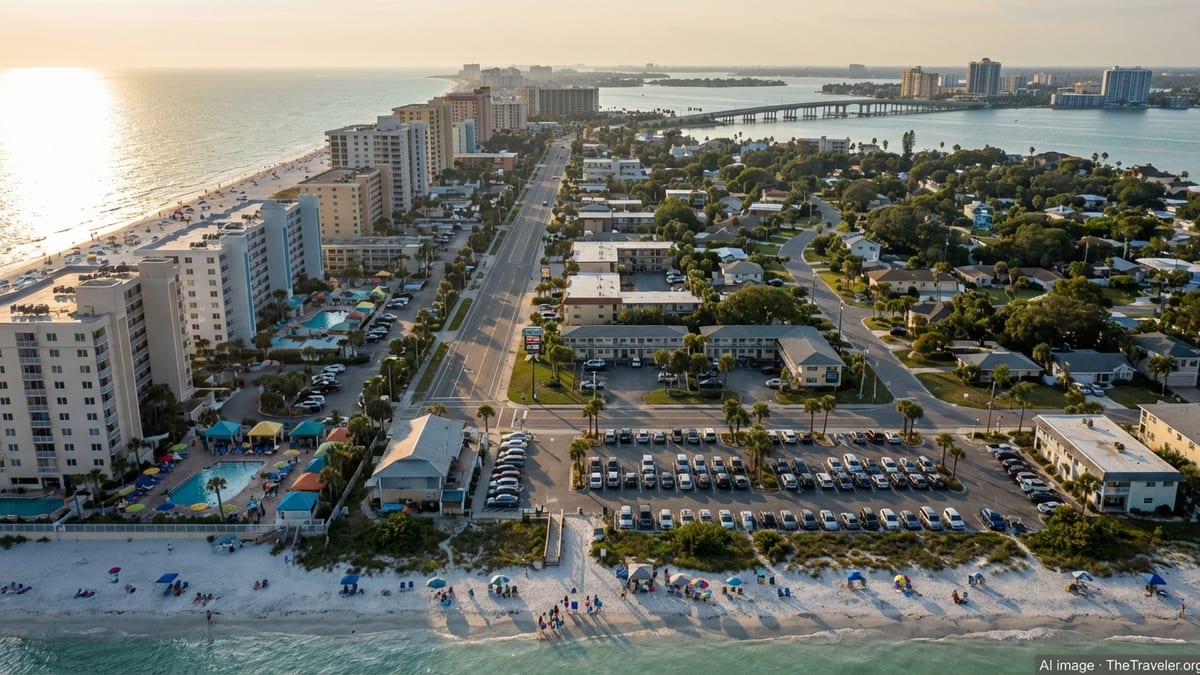
Florida’s Tourism Boom Is Changing the Price Picture
Florida’s modern cost landscape starts with one simple fact: the state is welcoming more visitors than ever. State tourism data for 2024 indicates roughly 143 million visitors, a new annual record on top of several consecutive record years. In early 2025, Florida added more than 40 million visitors in a single quarter, underscoring how strong demand has become across the state’s beaches, cities and inland attractions.
That influx of people has a direct effect on what travelers pay. When hotels, vacation rentals and attractions can confidently count on high occupancy, they have less incentive to discount and more leverage to nudge prices upward. Average daily hotel rates in key markets have climbed in recent years, and popular coastal regions report that visitor spending is at or near all-time highs. In some areas, fewer visitors are actually staying overnight, yet higher per-night spending is keeping overall revenue strong.
This demand-driven dynamic often collides with the enduring perception of Florida as a reliably cheap escape. For decades, the state built its appeal as a car-accessible, family-friendly destination where modest budgets could stretch to a full week of sun and theme parks. Today, inflation, wage growth in the hospitality sector and a steady flow of higher-spending visitors mean that some of those assumptions no longer hold, especially during peak seasons.
Still, the picture is nuanced rather than uniformly expensive. Travel costs in Florida vary dramatically by region, time of year and type of trip. While certain headline experiences have become premium-priced, other corners of the state remain surprisingly attainable. Understanding where Florida has become costly, and where it has not, is essential to planning a realistic budget.
Sticker Shock: Theme Parks and Headline Attractions
Nowhere is the gap between expectation and reality more visible than at Florida’s major theme parks. In the Orlando area, one-day peak tickets for marquee parks have risen sharply over the past decade, with top-tier dates surpassing the 200 dollar mark for a single adult. Seasonal after-hours events, such as popular Halloween parties, have also seen price bumps in recent years, in some cases adding 20 or 30 dollars to premium nights compared with prior seasons.
These increases reflect not only strong visitor demand but also higher operating costs and a steady pipeline of new attractions. Parks highlight expanded lands, nighttime spectaculars and technology upgrades as justification for pricing. Yet many repeat visitors who remember much lower ticket prices find the new reality jarring. For families of four or five, a multi-day visit can climb into the thousands of dollars once parking, meals, souvenirs and optional upgrades are included.
Dynamic pricing adds another layer of complexity. Major parks increasingly tie ticket costs to expected crowd levels, charging more for holidays, school breaks and weekends and reserving lower prices for off-peak weekdays. That approach can reward flexible travelers who visit at quieter times, but it also means that last-minute planners who can only travel during popular periods face some of the steepest rates. Even special event tickets often follow similar demand curves, with the most coveted dates commanding a premium.
Travelers who have not priced Orlando since before the pandemic sometimes underestimate ancillary costs as well. Preferred parking tiers, line-skipping services where available, sit-down meals, character dining and premium viewing areas all add up quickly. The total cost of a day in the parks has grown faster than base ticket prices alone, which is why experienced Florida travelers often emphasize the importance of choosing specific “splurge days” and mixing them with lower-cost activities.
The Surprising Reality of Hotel and Rental Prices
Accommodation is another category where Florida travelers may encounter unexpected prices. Popular coastal counties along the Gulf and Atlantic coasts have reported record or near-record hotel tax collections, buoyed by strong visitor spending and solid average daily rates. In some markets, total visitor numbers have softened slightly from their peaks, but the guests who do come are spending more per night on lodging, helping hotels and vacation rentals maintain or increase revenue.
In resort-heavy destinations with limited beachfront supply, this pricing power shows up as higher minimums, stricter peak-season stay requirements and slimmer chances of last-minute bargains. Three-night minimums over key winter weeks, substantial holiday premiums and cleaning and resort fees on vacation rentals catch many visitors off guard. Travelers who recall deep discounts during the early recovery period after major storms or the pandemic often find those deals have largely disappeared as reconstruction and renewed demand reset the market.
Yet the statewide picture is far from uniformly expensive. Inland regions and university-oriented cities remain significantly more affordable on average than Florida’s coastal resort corridors. In places where business travel and regional events play a bigger role than pure leisure tourism, hotel rates often stay moderate outside of major festivals, football weekends or convention peaks. Visitors willing to trade immediate beach access for a 20 to 40 minute drive can still find midrange brands at prices closer to national averages.
Vacation rentals, too, show wide variability. A beachfront condo in a luxury development may command a high nightly rate, but older buildings, second-row homes or small apartments several blocks inland can be far more approachable. Travelers who shop beyond the first page of search results and expand their radius often discover that Florida still offers a broad spectrum of price points, even in coveted coastal counties.
Regional Contrasts: Not All Florida Is Priced the Same
One of the biggest misconceptions about Florida travel costs is the idea that the entire state shares a single price level. In reality, regional contrasts are stark. Iconic destinations such as Miami Beach, Key West, Naples and parts of the Orlando resort corridor often sit at the top of the price scale for hotels, dining and nightlife. These areas court affluent visitors and international travelers, and their rates reflect a combination of limited space, high demand and elevated operating costs.
By contrast, many Panhandle communities, smaller Atlantic coast towns and inland cities retain a more traditional Florida value profile, especially outside of peak holiday and spring break windows. Public beaches with modest parking fees, independently owned motels, affordable seafood shacks and family-run attractions keep overall daily spending comparatively low. Counties where tourism is important but not overwhelmingly dominant sometimes balance moderate room taxes and competitive pricing with a desire to grow visitor numbers gradually.
Even within a single metropolitan region, costs can vary dramatically from one neighborhood to the next. In South Florida, oceanfront zip codes with luxury high-rises sit just a short drive from inland suburbs where chain hotels and vacation rentals cost noticeably less. In Central Florida, staying near major attractions often carries a premium, while properties a bit removed from the main resort area remain accessible to more modest budgets.
Travelers who arrive expecting “Florida prices” in general often discover that what they really need to understand are “Miami Beach prices,” “Ocala prices” or “Pensacola prices.” Trip planning that starts with a clear sense of which region best fits a budget, rather than trying to stretch a tight budget in a premium enclave, leads to fewer surprises on arrival.
Taxes, Fees and the Hidden Costs Visitors Overlook
Base rates for hotels and attractions are only part of the cost story. Local taxes and fees add meaningful amounts to many Florida travel bills, and visitors who do not account for them in advance can feel blindsided at checkout. Tourist development taxes in many counties add a percentage to the price of accommodations, funding marketing campaigns, beach renourishment and convention facilities. While usually disclosed in booking summaries, these add-ons are easy to overlook when comparing nightly rates across destinations.
Resort fees on hotels and cleaning or processing fees on vacation rentals further complicate direct price comparisons. Two properties with similar nightly rates can differ significantly once mandatory extras are included. In some beach markets, parking fees are an increasingly common line item, whether at hotels, public lots near popular shorelines or downtown garages in compact historic districts and waterfront zones.
Transportation also contributes to the gap between expectation and reality. Many domestic visitors still drive to Florida and may underestimate the total cost of fuel, toll roads and overnight stops en route, particularly when traveling from the Midwest or Northeast. Air travelers face checked-bag fees, airport parking charges and rental-car rates that fluctuate with demand. While rideshare and public transit can be practical in certain urban cores, Florida remains largely car-oriented, and that reality carries budget implications.
Even small daily expenditures add up quickly: beach chair rentals, umbrella fees, ice cream stops, bottled water in theme parks, impulse souvenirs, and tips in a service-forward economy where many workers now earn higher wages. None of these individually define a trip’s affordability, but together they often explain why the final vacation total feels higher than the initial room and ticket estimates suggested.
When Florida Is Cheaper Than People Think
The same forces that have driven prices up in some parts of Florida also create surprising pockets of value in others. Shoulder seasons between peak winter and peak summer often offer softer demand and better rates, especially for travelers without fixed school calendars. Late April and early May, as well as September and early October outside of major event weekends, can produce lower hotel prices and more competitive rental car rates, even in popular resort regions.
Day trips and shorter stays are another way visitors are reshaping Florida’s cost equation. With so many domestic travelers arriving by car from neighboring states, more people are choosing long weekends over traditional week-long holidays. That shift lets some travelers splurge on a nicer hotel or a single big-ticket attraction without carrying those high daily costs across seven nights. For residents of Georgia, Alabama and other nearby states, quick beach escapes and theme park days are increasingly treated as repeatable experiences rather than once-in-a-decade blowouts.
A growing number of travelers are also discovering that inland natural attractions and small historic towns deliver strong value for money. Springs, state parks, wildlife refuges and lesser-known riverfront communities often charge modest entrance or parking fees while providing full days of activity. Local dining in these areas tends to be less expensive than in major metros, and lodging can be significantly cheaper than on the coast, particularly midweek.
Even in higher-priced cities, carefully chosen neighborhoods can soften costs. Staying in a business district on weekends, when corporate demand dips, or targeting newly developed areas slightly outside of the traditional tourist core can yield modern accommodations at midrange prices. The key is aligning flexibility on exact location with firm boundaries on nightly budget.
Strategies Savvy Travelers Use to Control Costs
Travelers who navigate Florida’s changing price landscape successfully tend to share several habits. The first is planning with current information rather than memories. Pricing for theme park tickets, event passes and lodging has changed significantly over the last five to ten years, and relying on outdated assumptions almost guarantees surprise. Checking total costs including taxes and fees before locking in flights or road-trip dates helps avoid mismatched expectations.
The second strategy is embracing flexibility wherever possible. Shifting arrival by a day or two, traveling midweek instead of over a weekend or choosing late summer over peak winter can all influence price. In dynamic-pricing environments such as major attractions and some hotel chains, small adjustments in dates can produce meaningful savings. Families tied to school schedules may have less room to maneuver, but even within holiday periods, early December or late August can be less expensive than the exact middle of summer or spring break.
Third, many budget-conscious travelers now build mixed itineraries that balance high-cost marquee experiences with lower-cost or free activities. A trip might include one day at a flagship theme park and another at a state park, a historic district or a free public beach. Simple tactics such as packing snacks, choosing one sit-down meal per day instead of two, or staying in accommodations with basic kitchenettes all help stretch funds without sacrificing enjoyment.
Finally, seasoned Florida visitors pay attention to evolving local conditions. After major storms or infrastructure projects, some areas may temporarily offer promotional rates to lure visitors back, while others with newly refurbished facilities may see price jumps. Monitoring local tourism office announcements and recent news coverage in the months leading up to a trip can reveal whether a chosen destination is entering a high-demand, high-price moment or a more competitive phase.
The Takeaway
Florida’s travel costs today are the product of a powerful tourism engine, regional diversity and shifting traveler behavior. Record visitation and strong visitor spending have lifted prices in many of the state’s most famous destinations, especially at major theme parks and high-end coastal resorts. Taxes, fees and ancillary charges further separate the final bill from the budget many visitors carry in their heads before they arrive.
At the same time, it would be inaccurate to declare that Florida has simply become an expensive place to visit. The state’s size and variety ensure that travelers willing to look beyond a few marquee zip codes can still assemble surprisingly affordable trips. Inland cities, smaller beach communities, off-peak seasons and hybrid itineraries that mix big-ticket highlights with low-cost nature and cultural experiences all offer ways to reconcile Florida’s enduring appeal with realistic budgets.
What catches visitors off guard is less the absolute cost than the gap between old assumptions and present-day reality. Carving out time to research current prices, staying flexible on timing and location, and planning for taxes and add-ons can narrow that gap considerably. For travelers who adapt, Florida remains what it has long been: a state where the right trip, at the right time, can still deliver excellent value alongside its famous sun and sand.
FAQ
Q1. Is Florida still an affordable vacation destination in 2026?
Florida can still be affordable, but it depends heavily on where and when you go. Top theme parks and luxury coastal areas are far more expensive than many smaller towns, inland cities and off-peak periods.
Q2. Why are Florida theme park tickets more expensive than I remember?
Ticket prices have climbed over the past decade due to strong demand, higher labor and operating costs, and major new attractions. Dynamic pricing means peak days and holidays cost significantly more than quieter weekdays.
Q3. Are hotel prices higher across the whole state?
Not everywhere. Rates are generally highest in popular beach destinations and resort corridors, while many inland areas and secondary cities still offer moderate prices, especially outside major events.
Q4. When is the cheapest time of year to visit Florida?
Shoulder seasons such as late April, early May, September and parts of October often bring lower rates, as long as you avoid major holidays, large festivals and school-break weeks.
Q5. How much do taxes and fees add to Florida hotel bills?
Local room taxes and resort or cleaning fees can add a noticeable amount to nightly costs. It is common for the final total to be several percentage points higher than the base rate shown in initial searches.
Q6. Is it cheaper to drive or fly to Florida?
Driving may be cheaper for families within a day’s drive, but you should factor in fuel, tolls, overnight stops and parking. For solo travelers or longer distances, sale airfares can compete with or beat driving costs.
Q7. Can I visit Florida’s famous beaches without paying resort prices?
Yes. Many public beaches are accessible from nearby towns with simpler motels, chain hotels or budget rentals. Staying a short drive from the sand is often much cheaper than booking right on the beach.
Q8. Do I need to rent a car to keep costs down?
In most of Florida, a car is helpful for reaching affordable neighborhoods and grocery stores. However, in some downtown cores and resort areas with shuttles or transit, you can manage with rideshare and walking.
Q9. How can families save money on food at theme parks and attractions?
Families often save by eating breakfast at their hotel, packing allowed snacks, sharing larger portions and planning just one sit-down meal per day, with the rest made up of quick-service options.
Q10. What is the best way to avoid cost surprises on a Florida trip?
The best approach is to price major items with current data, include taxes and fees in your comparisons, choose travel dates carefully and build a mix of higher-cost and low-cost activities into your itinerary.