

More news on this day
Travelers heading to and from Argentina are facing fresh disruption as around 25 flights operated by low cost carrier FlyBondi and American Airlines have been canceled or significantly rescheduled, affecting key routes linking Buenos Aires with Córdoba, Bariloche and several other domestic and international destinations.
Get the latest news straight to your inbox!
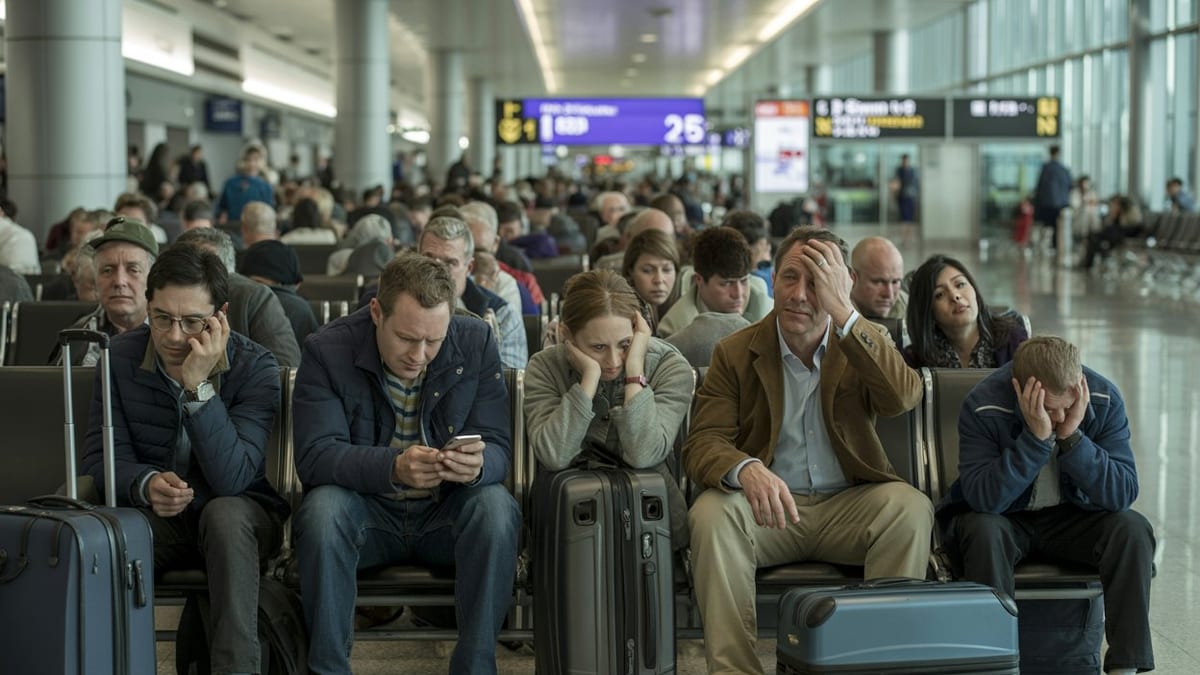
Image by travelandtourworld.com
What Is Behind the New Wave of Flight Cancellations
Recent operational adjustments by FlyBondi and weather-related schedule changes for American Airlines are converging to create a difficult few days for air passengers using Argentina’s busiest corridors. Publicly available airport board data and local aviation coverage indicate that approximately 25 flights in total have been removed from schedules or shifted by many hours, concentrating the impact on services into and out of the Buenos Aires area.
For FlyBondi, the disruptions appear to be clustered on high-demand domestic routes that connect Aeroparque Jorge Newbery and El Palomar with inland cities including Córdoba, San Carlos de Bariloche, Neuquén and El Calafate. Tracking sites and airport status boards show a pattern of same-day cancellations paired with rebookings on later flights, described in local reports as “adequación de operatoria,” or an adjustment of operations, rather than a full-scale suspension of routes.
American Airlines, meanwhile, is contending with knock-on effects from major winter storms across North America during February and March 2026, which led to thousands of cancellations systemwide. International services to South America, including long haul flights connecting the United States with Buenos Aires, have been vulnerable to aircraft and crew displacements, and recent days have seen additional selective cancellations on these links as the airline works to realign its schedules.
As a result, travelers bound for Buenos Aires and those connecting onward to leisure hotspots such as Bariloche are reporting last minute changes and overnight delays, with some needing to rework entire itineraries around new departure times or alternate carriers.
Key Routes Affected: Buenos Aires, Córdoba, Bariloche and Beyond
Current disruption reports highlight Buenos Aires as the central pinch point. Aeroparque Jorge Newbery and, to a lesser extent, El Palomar and Ezeiza International are seeing cancellations on short haul domestic legs where FlyBondi typically offers multiple daily frequencies. Services to and from Córdoba and San Carlos de Bariloche stand out because they serve both residents and a large stream of domestic and foreign tourists.
On the Córdoba corridor, schedule changes have included the removal of select rotations that normally operate during peak daylight hours, forcing some passengers onto much earlier or later departures. Given Córdoba’s role as a secondary hub and gateway to Argentina’s interior, interruptions there can ripple into connections toward destinations such as Mendoza, Salta and Iguazú, even when those onward flights are operated by other airlines.
Bariloche, a prime destination for outdoor tourism and Patagonia itineraries, is experiencing similar strain. When FlyBondi cancels or consolidates flights, travelers frequently look to Aerolíneas Argentinas or JetSMART to fill the gap. Local media and social channels suggest that remaining seats on competing carriers have filled quickly on affected days, driving up last minute fares between Bariloche and Buenos Aires and narrowing options for time-sensitive trips.
International links are also feeling pressure. American Airlines’ adjustments are focused primarily on services between major United States hubs and Buenos Aires, which in turn feed passengers into domestic connections. When one of these long haul flights is canceled, passengers may need to wait for seats on the next available service or reroute through alternative hubs, reducing flexibility for same-day onward travel to cities like Córdoba or Bariloche.
Regulatory and Operational Context in Argentina
The latest disruption comes against a backdrop of close regulatory scrutiny of Argentina’s commercial aviation system. Recent resolutions published by the country’s National Civil Aviation Administration emphasize continuity and predictability in air services, noting that large-scale delays, cancellations and reprogramming can undermine passenger rights and the reliability of the network.
FlyBondi, which has expanded rapidly in the low cost segment, has previously had to rework schedules in response to changing operational and regulatory conditions. Past episodes documented in local newspapers and online forums describe high volumes of reprogrammed flights over peak travel periods, with the airline characterizing some of those changes as necessary adjustments to comply with official requirements and airport capacity constraints.
American Airlines’ current challenges are linked more directly to external factors, especially severe winter weather in North America during early 2026. Major storms in January and February disrupted thousands of departures and arrivals across the United States, and airlines are still working through lingering aircraft positioning and crew scheduling issues. Long haul operations, which rely on tight rotations and specific aircraft types, can be particularly exposed when irregular operations persist for several weeks.
Together, these dynamics help explain why Argentina’s domestic low cost network and its long haul connections to North America are both experiencing turbulence at the same time, even though the underlying causes differ between carriers.
How Travelers Are Being Affected on the Ground
For individual travelers, the practical effect of these cancellations and schedule changes is an uptick in uncertainty. Reports circulating among passengers indicate longer queues at customer service desks, difficulty in finding same day alternatives on popular routes and confusion when departure airports are switched between Aeroparque, El Palomar and Ezeiza on short notice.
Tourists on tight itineraries in Patagonia and central Argentina seem particularly exposed. Those relying on a single daily departure to connect a remote destination with Buenos Aires may find that a canceled flight effectively erases a full day from their plans. Social media posts and traveler forums describe scenarios where visitors have had to book last minute tickets on other airlines, absorb unplanned hotel nights or modify car rentals when return flights from cities like El Calafate or Bariloche are removed from the schedule.
Business travelers are also feeling the impact, especially on the high frequency Buenos Aires to Córdoba corridor. Same day round trips become more difficult when flights are consolidated, and limited remaining seats on alternative departures can inhibit the ability to reschedule meetings or maintain previously arranged connections.
Although airlines are providing rebooking options and, in some cases, refunds or vouchers, publicly shared experiences suggest that processing times can be slow, and customer support channels are busy. This environment places a premium on advance planning and real time monitoring of flight status for anyone flying to, from or within Argentina in the coming days.
Practical Advice for Passengers Traveling to or Within Argentina
For travelers with upcoming trips involving Buenos Aires, Córdoba, Bariloche or other Argentine destinations, current conditions point to several practical steps that can reduce the risk of serious disruption. Aviation and consumer travel coverage consistently recommend checking flight status early and often, beginning at least 24 hours before departure and continuing on the day of travel.
Where possible, passengers may wish to build longer connection times into itineraries that link international arrivals with domestic legs, particularly if those domestic flights are on carriers that have recently adjusted schedules. Extra buffer time in Buenos Aires can provide a margin for delays or rebookings and may prevent missed connections to inland cities.
Travelers who have flexibility might consider alternative routes or carriers if their plans hinge on a single critical leg, such as a one time weekly departure into a smaller Patagonian airport. Monitoring seat availability on Aerolíneas Argentinas, JetSMART and other operators serving the same cities can be useful when low cost flights are canceled at short notice and alternatives are needed quickly.
Finally, keeping documentation organized, including booking confirmations, receipts and written records of airline communications, can be important if passengers later seek compensation, refunds or insurance claims due to cancellations and extended delays. With operational conditions still evolving, the situation remains fluid, and continued vigilance will be key for anyone moving through Argentina’s air travel system in the near term.