

More news on this day
Travel to and within Argentina is facing fresh disruption as FlyBondi and American Airlines cancel around 25 flights on routes serving Buenos Aires, Cordoba, Bariloche and other key destinations, leaving passengers scrambling to rebook and raising new questions about the reliability of air links into the country at the height of the Southern Hemisphere travel season.
Get the latest news straight to your inbox!
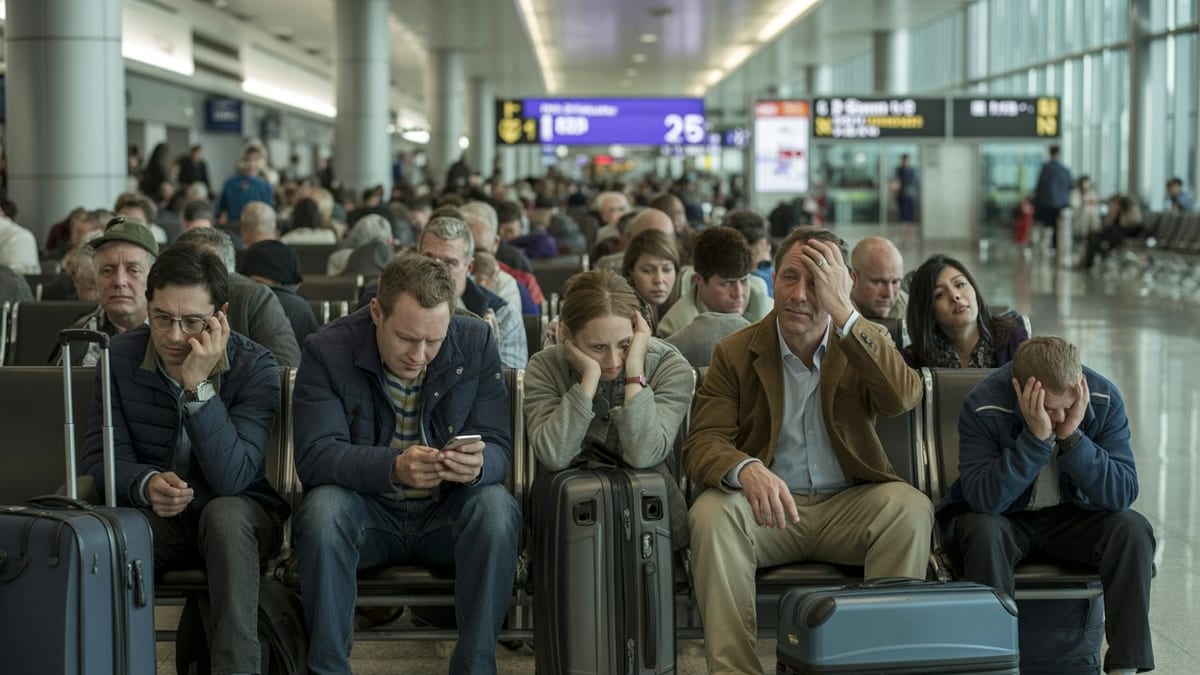
Image by Travel And Tour World
What Is Happening on Routes to and from Buenos Aires
According to airline schedule data and local media coverage, FlyBondi has pulled a cluster of domestic services touching Buenos Aires in recent days, affecting links with Cordoba, Bariloche and other popular leisure gateways. The cancellations, which span early-morning and late-evening departures, are concentrated on high‑demand days when aircraft and crew utilization is already tight.
American Airlines has also removed several long‑haul services between its US hubs and Buenos Aires, citing a combination of aircraft availability issues and wider operational pressures. Publicly available flight‑tracking information shows a series of round‑trip suspensions that collectively amount to roughly two dozen affected legs, hitting both inbound and outbound traffic.
While airlines regularly adjust timetables, the latest wave has been notable for its timing and clustering. Many of the affected flights were still on sale only days before being withdrawn, which has intensified frustration among travelers who had planned connections within Argentina or onward to Patagonia, the northwest and neighboring countries.
The impact is being felt most acutely at Buenos Aires’ two main airports, Ezeiza and Aeroparque, where domestic and international networks interlock. Disruptions on long‑haul routes can quickly cascade into missed internal connections, particularly for visitors trying to reach Patagonia, Mendoza’s wine country or the Lake District around Bariloche on tight itineraries.
FlyBondi Under Scrutiny on Key Domestic Corridors
FlyBondi, which operates as a low‑cost carrier within Argentina, has faced a steady stream of complaints from travelers about late operational changes, schedule reshuffles and short‑notice cancellations on domestic routes. Recent personal accounts shared on public forums describe flights from Buenos Aires to Bariloche, Cordoba and El Calafate being canceled or significantly delayed, sometimes with limited same‑day alternatives.
The airline’s model relies heavily on high aircraft utilization and lean spare capacity. When a jet goes out of rotation for technical checks or when a previous sector runs late, subsequent services can be pushed back or scrubbed. Industry data and traveler reports indicate that this pattern has been especially visible on trunk routes linking Buenos Aires with Bariloche and other Patagonia gateways, where demand peaks during the Southern Hemisphere summer and shoulder seasons.
Recent reports from passengers also highlight challenges securing timely refunds or rebookings after cancellations. Some travelers describe being shifted to flights the following day, while others say they received vouchers instead of direct reimbursement, complicating plans that revolved around tight hotel stays, tour departures or cruise connections.
Despite these issues, FlyBondi remains a popular option thanks to competitive fares and a network that reaches secondary cities. Travel analysts note that, for price‑sensitive passengers, the trade‑off between lower costs and a higher perceived risk of disruption continues to shape booking choices on key domestic corridors.
American Airlines Adjusts Argentina Schedule Amid Wider Pressures
On the international front, American Airlines has trimmed parts of its Argentina schedule, including certain rotations between Buenos Aires and US hubs such as Miami and Dallas. Industry updates and schedule trackers show that the latest cuts are part of a broader pattern of selective reductions following a difficult winter in North America marked by multiple severe storms and associated operational strain.
Weather‑related chaos across the United States earlier in 2026 led to thousands of cancellations and left aircraft and crews out of position. Even after the immediate storms passed, airlines have needed time to realign fleets, complete deferred maintenance and rebuild schedule resilience. In this context, longer‑haul flights to South America, which require dedicated wide‑body aircraft and complex crew pairings, have occasionally been thinned out.
Travel alerts published by American Airlines and independent aviation trackers indicate that the carrier has been waiving certain change fees on affected routes, offering passengers the option to move to alternative dates or routings. However, capacity into Buenos Aires from North America remains finite, and rebooking options can quickly sell out during peak travel windows or around major events in Argentina.
For travelers originating in the United States, the knock‑on effect can include missed onward connections to domestic Argentine destinations. Many visitors time their arrival in Buenos Aires to connect the same day to internal flights. When a long‑haul leg is canceled or shifted, the entire itinerary often needs to be rebuilt, sometimes requiring overnight stays in the capital and extra out‑of‑pocket costs.
How Travelers Are Being Affected on the Ground
Reports from passengers on public forums and social media paint a picture of crowded check‑in halls, long lines at service desks and hurried last‑minute changes to plans. Some travelers recount spending hours at airports such as Buenos Aires’ Aeroparque and Ezeiza trying to secure seats on alternative services after FlyBondi or American Airlines canceled or rescheduled their flights.
Domestic itineraries that rely on tight connections are particularly vulnerable. A late arrival into Buenos Aires from abroad can easily cause a missed departure to Patagonia or the northwest, where daily frequencies are limited. When a full flight is canceled, those displaced may find that the next departure with open seats is one or two days later, forcing adjustments to hotel bookings, rental cars and guided excursions.
Budget travelers, who often choose low‑cost carriers to stretch their funds across Argentina, can be disproportionately affected. Lower‑fare tickets may come with more restrictive change conditions, and while airlines may offer rebooking support during large‑scale disruptions, compensation rules in Argentina are perceived by some passengers as less protective than in regions with more established passenger rights frameworks.
Families and groups also face additional complications when a portion of an itinerary falls apart. Splitting a party across multiple flights, rearranging child‑friendly accommodation at short notice or re‑coordinating small‑group tours can quickly turn a planned vacation into a complex logistical exercise.
What Travelers Can Do If Their Flight Is Canceled
Given the current pattern of disruption, travel specialists suggest a more cautious approach to planning trips that rely on FlyBondi or American Airlines to access or leave Argentina. Recommendations shared in publicly available travel advisories and consumer reports include building extra buffer time into itineraries, especially when connecting between international and domestic services through Buenos Aires.
Booking slightly longer layovers between long‑haul arrivals and onward domestic flights can reduce the risk of misconnection. Where possible, travelers may wish to consider scheduling at least one night in Buenos Aires before flying on to destinations such as Bariloche, Ushuaia or Salta, particularly during periods of heavy demand or unstable weather.
Passengers are also being encouraged by consumer advocates to monitor flight status closely and to sign up for airline alerts through official apps and channels. When a cancellation occurs, acting quickly can be critical, as seats on alternative flights are often allocated on a first‑come, first‑served basis. Keeping digital copies of booking confirmations and receipts can also help when seeking refunds or insurance claims later on.
For those yet to book, comparing different carriers and routings into Argentina may help spread risk. National carrier Aerolíneas Argentinas and other regional operators continue to serve many of the same routes as FlyBondi and American Airlines, and some travelers may opt for slightly higher fares in exchange for perceived stability. Regardless of the choice, the latest round of cancellations is a reminder that flexibility, contingency planning and real‑time monitoring are increasingly essential for smooth travel to and within Argentina.