

More news on this day
South African low-cost airline FlySafair will begin adding a temporary fuel surcharge to tickets from 12 March 2026, as a sudden spike in jet fuel prices forces the country’s biggest domestic carrier to pass on part of its higher operating costs to passengers.
Get the latest news straight to your inbox!
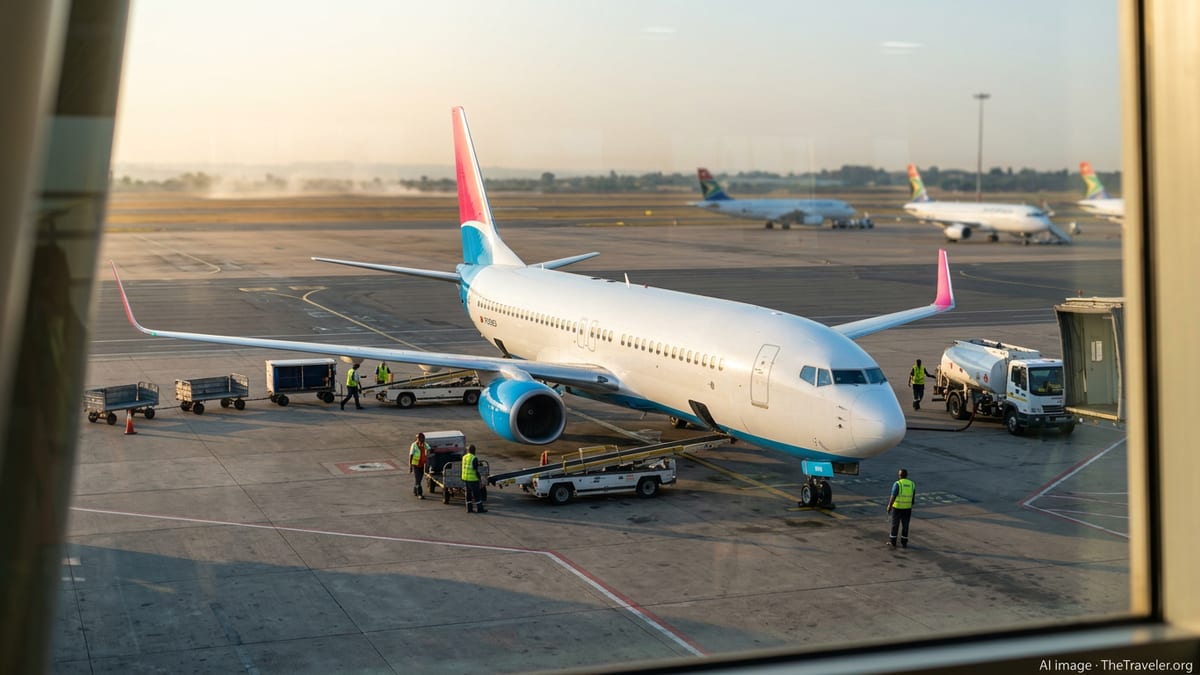
Dynamic Surcharge Introduced After Sharp Jet Fuel Shock
FlySafair confirmed that a new temporary “dynamic fuel surcharge” will be applied to flights departing on or before 12 May 2026, following what the airline described as an unprecedented rise in aviation fuel costs at South African airports. Jet A1 prices at coastal airports have reportedly climbed by about 70 percent in just one week, upending cost assumptions for domestic carriers and triggering immediate pressure on already thin margins.
The surcharge will come into effect for new bookings from 12 March and will be shown as a separate line item on customer itineraries and receipts. Amounts will vary according to route length and prevailing fuel prices, but will be clearly labelled as a fuel-related charge rather than folded into the base fare, in an effort to maintain transparency around the impact of global oil markets on local air travel.
Executives said the airline had resisted introducing a fuel surcharge throughout its history, preferring to absorb volatility in fuel markets and manage costs internally. The scale and speed of the latest increase, however, left the carrier with little room to manoeuvre if it wished to preserve its low-fare model while keeping its schedule intact.
Limited Timeframe and Protection for Existing Bookings
FlySafair has stressed that the surcharge is explicitly temporary and tied to current market conditions. It will only apply to flights departing on or before 12 May 2026, after which the mechanism will be reviewed. The airline has indicated that the fee will be reduced or removed if fuel prices retreat from their current highs, framing the move as a bridge to weather an extraordinary period of volatility rather than a permanent reshaping of its fare structure.
Customers who bought tickets before the announcement are shielded from the increase. The carrier said no retrospective surcharges will be levied on existing bookings, which will remain valid at the original price paid. This stance is likely to be welcomed by leisure travellers and corporate clients who booked well in advance, and who might otherwise have faced unexpected additional costs.
For new bookings made from 12 March, the surcharge will be automatically calculated and incorporated into the total ticket price at checkout. By presenting it as a clearly itemised fee, FlySafair aims to distinguish between underlying fare levels and the exceptional fuel environment that has prompted the temporary charge.
Middle East Conflict Ripples Through South African Skies
The decision comes as conflict in the Middle East sends ripples through global energy markets, pushing up crude oil prices and, in turn, jet fuel costs. South African carriers are particularly exposed to such shocks, as jet fuel is imported and priced off international benchmarks, leaving domestic operators vulnerable to both supply concerns and currency fluctuations.
Industry observers note that while some large international airlines use sophisticated hedging strategies to lock in fuel prices months or years in advance, low-cost carriers like FlySafair often buy fuel closer to spot market rates. That approach keeps costs low when prices are stable or declining but can leave airlines acutely exposed during abrupt spikes such as the one now unfolding.
Analysts say higher fuel bills are likely to ripple across the wider Southern African aviation sector. While FlySafair is among the first major South African carriers to formalise a temporary surcharge in response to the latest shock, other airlines are closely monitoring conditions and may be forced to adjust fares, capacity or surcharges if elevated prices persist.
Impact on Travellers and South Africa’s Domestic Market
For passengers, the most immediate effect will be higher all-in ticket prices on affected routes, particularly during the busy Easter and early winter travel periods that fall within the surcharge window. Budget-conscious travellers who rely on FlySafair’s low fares for family visits, holidays and business trips may face tough choices as discretionary travel becomes more expensive.
Travel agents and corporate travel managers are already advising clients to factor the surcharge into near-term budgeting for domestic flights. Some may respond by booking further in advance to secure lower base fares, shifting non-essential trips to later in the year, or exploring alternative airports and travel days where demand is softer and total prices more competitive.
At the same time, consumer advocates will be watching to see whether the surcharge does in fact fall away if fuel prices retreat. Temporary charges in the travel industry have historically had a tendency to linger, and FlySafair’s pledge to review and remove the fee when conditions normalise will be a key test of trust with its customer base.
Pressure Builds Across Global Aviation
FlySafair’s move mirrors a broader trend as airlines around the world reassess pricing strategies in the face of volatile oil markets. Carriers in regions from Asia to Europe have recently announced new or expanded fuel surcharges, along with targeted fare increases, to recover a portion of their surging operating costs. In many cases, these charges are structured as variable fees that can be adjusted more quickly than base fares as fuel prices rise or fall.
Aviation analysts say the return of fuel surcharges, which became synonymous with the oil price spikes of the late 2000s, underscores how vulnerable airline business models remain to energy shocks despite years of efficiency gains. More fuel-efficient aircraft, tighter route planning and ancillary revenues have helped, but fuel still accounts for a substantial share of operating expenses, particularly for low-cost carriers that compete aggressively on price.
For South Africa’s domestic market, the combination of rising input costs and fragile consumer demand presents a delicate balancing act. If fuel prices remain elevated for an extended period, more airlines may be forced to follow FlySafair’s lead, accelerating a broader upward drift in fares that could reshape travel patterns, capacity decisions and competition on key routes in the months ahead.