

Food and grocery costs in Germany are an important component of any relocation budget. While Germany remains relatively affordable for everyday supermarket shopping compared with some other Western economies, expats will encounter noticeable variation in prices by city, retailer type, and shopping habits. Understanding how the grocery market is structured and what typical items cost provides a realistic basis for planning monthly expenses.
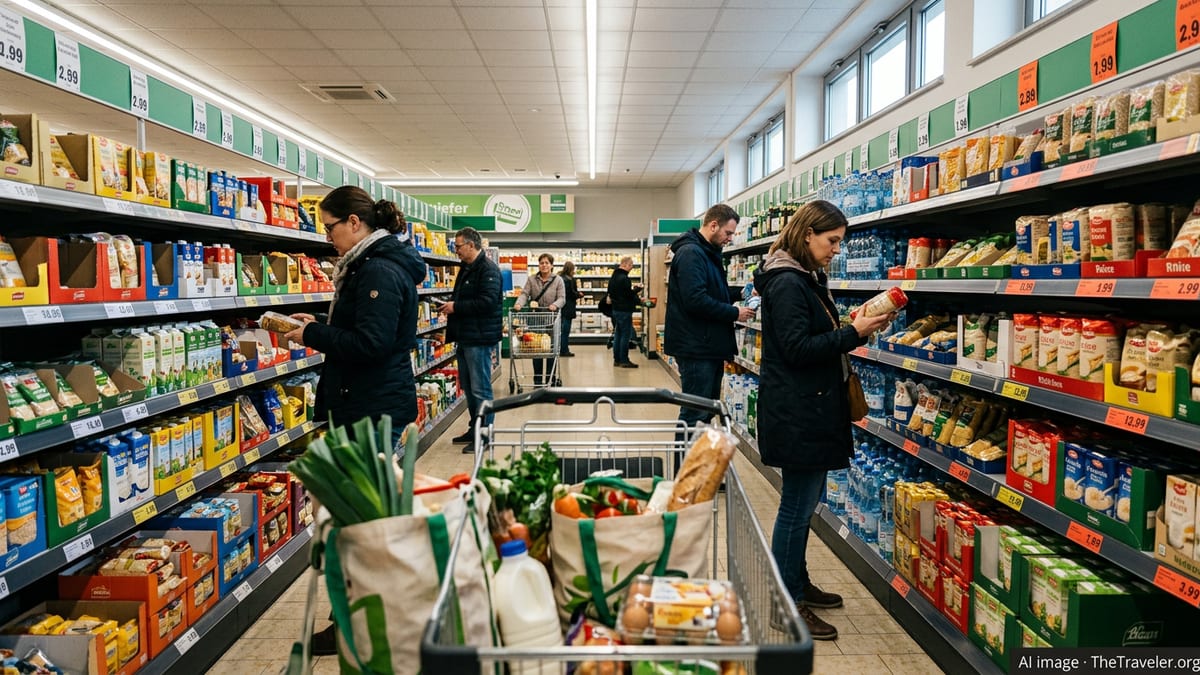
Overview of Food Price Levels in Germany
Germany is generally regarded as a moderately priced market for groceries within Western Europe. Discounters and intense price competition between chains have traditionally kept supermarket prices comparatively low, although food inflation since 2022 has raised costs for many staples. Official data indicates that overall inflation has eased, but food prices remain above pre-2020 levels and continue to show gradual year-on-year increases rather than sharp spikes.
Recent consumer price statistics show food and non-alcoholic beverages increasing at a slightly faster pace than the general index, though the rate of growth has slowed compared with the 2022–2023 period. In practical terms, most expats will find basic groceries affordable relative to incomes in Germany, but higher than they might expect if they last shopped in the country several years ago.
Price levels are also influenced by Germany’s strong discount retail segment. A large share of households, including higher-income residents, buy the majority of their groceries at discount chains. Expats who adopt similar shopping patterns typically achieve lower monthly food costs than those who rely on convenience stores, premium supermarkets, or frequent eating out.
Compared with the United States, several recent comparative cost-of-living analyses indicate that supermarket food in Germany is often around one-fifth cheaper on average, though this varies by product group and location. For incoming expats, this means that a shift toward cooking at home and using discount retailers can significantly moderate overall living costs.
Typical Prices for Core Grocery Items
While prices differ by store and city, the ranges below reflect typical supermarket prices in Germany as of late 2025 and early 2026 for own-brand or mid-range products. Premium brands and organic options can be substantially higher.
Approximate price ranges per item are as follows:
| Item | Typical price range |
| White or mixed bread, 500 g | 1.30 – 2.20 EUR |
| Milk, 1 L (fresh, 1.5–3.5% fat) | 0.90 – 1.40 EUR |
| Eggs, 10 medium (cage-free / barn) | 2.00 – 3.50 EUR |
| Butter, 250 g | 2.00 – 3.00 EUR |
| Cheese, 500 g local semi-hard | 3.50 – 6.00 EUR |
| Chicken breast fillets, 1 kg | 7.00 – 11.00 EUR |
| Minced beef, 1 kg | 9.00 – 14.00 EUR |
| Rice, 1 kg | 1.50 – 3.00 EUR |
| Pasta, 500 g | 0.70 – 1.50 EUR |
| Potatoes, 1 kg | 1.20 – 2.00 EUR |
| Apples, 1 kg | 2.00 – 3.50 EUR |
| Bananas, 1 kg | 1.40 – 2.30 EUR |
| Tomatoes, 1 kg | 2.50 – 4.50 EUR |
| Onions, 1 kg | 1.20 – 2.00 EUR |
| Bottled still water, 1.5 L | 0.30 – 0.60 EUR plus deposit |
| Soft drink, 1.5 L | 0.80 – 1.50 EUR plus deposit |
| Ground coffee, 500 g | 5.00 – 9.00 EUR |
These ranges assume shopping at mainstream supermarkets and discounters, not specialty or organic-only stores. Store-brand products are typically at the lower end of the range, while well-known brands sit in the middle. Organic, fair-trade, and premium imported brands can exceed the upper ranges, particularly for dairy, meat, coffee, and fresh produce.
Expats relying on specific imported products from their home regions should budget higher per-item costs. Goods such as certain Asian sauces, North American breakfast cereals, or British and US snacks are widely available in larger cities but often priced significantly above local alternatives.
Monthly Grocery Budgets for Different Household Types
Monthly grocery spending in Germany is driven less by location and more by dietary preferences, reliance on convenience foods, and the balance between eating at home and out of home. Survey data and reported household budgets suggest that thrifty shoppers using discounters and cooking most meals at home can maintain relatively low monthly food costs, while convenience-driven or specialty-focused shoppers may see substantially higher expenditure.
For an expat planning purposes, the following broad budget bands (excluding alcohol and frequent restaurant dining) are indicative for 2025–2026 conditions:
| Household type | Frugal (discounters, basic staples) | Moderate (mixed retailers, some convenience) | Comfortable (premium choices, more convenience) |
| Single adult | 160 – 220 EUR / month | 220 – 320 EUR / month | 320 – 450 EUR / month |
| Couple | 280 – 380 EUR / month | 350 – 520 EUR / month | 520 – 700 EUR / month |
| Family of 4 (2 adults, 2 children) | 500 – 700 EUR / month | 650 – 900 EUR / month | 900 – 1,200 EUR / month |
Frugal budgets assume frequent use of discount chains, seasonal produce, basic meat cuts or limited meat consumption, and home cooking for nearly all meals. Moderate budgets reflect a blend of discount and full-service supermarkets, occasional ready-made items, and more varied diets. Comfortable budgets incorporate more organic, branded, and imported items, along with a higher share of convenience foods.
These ranges are averages across Germany. Very high-cost consumption patterns are certainly possible, particularly in large cities with extensive premium and organic retail options. Conversely, students or budget-conscious expats who cook in bulk, minimise food waste, and use discount chains almost exclusively can fall toward the lower end of the single or couple ranges.
Regional and Retailer Differences in Food Prices
Supermarket food prices in Germany are relatively harmonised nationally compared with some countries, but expats will still notice some geographic variation. Large metropolitan areas such as Munich, Frankfurt, and Hamburg often sit at the upper end of national price ranges, while smaller cities in eastern and northern Germany may be slightly cheaper for certain categories. However, the difference for identical products between cities is usually modest compared with the impact of retailer choice.
Far more significant than geography is the distinction between discount chains, full-service supermarkets, organic supermarkets, and small neighbourhood shops. Discounters typically offer the lowest prices on a restricted but adequate selection of staples. Full-service supermarkets provide broader assortments, including fresh counters and more branded goods, at moderately higher prices. Organic supermarkets and specialist stores can be considerably more expensive, especially for meat, dairy, and processed organic products.
Many expats adopt a mixed approach, purchasing standard staples such as milk, bread, eggs, pasta, and cleaning products at discounters, while using full-service supermarkets or open-air markets for fresh produce and products that discounters do not stock. This strategy often results in meaningful monthly savings without sacrificing quality or variety.
In rural areas, limited competition may drive slightly higher prices, and there may be fewer opportunities to compare offers between multiple chains within a short distance. However, even small towns typically have at least one discount supermarket and a local bakery or butcher, allowing residents to access reasonably priced basics.
Eating Patterns, Convenience Foods, and Out-of-Home Spending
How an expat shops and cooks in Germany often has more impact on monthly food costs than list prices alone. Germany offers a wide range of convenience and semi-prepared foods, from chilled ready meals to pre-cut vegetables and marinated meats. These products are priced higher per unit than raw ingredients and can rapidly increase grocery bills if used frequently.
Regular out-of-home consumption, such as workplace lunches, ready-to-eat bakery items, and takeaway food, also needs to be factored into the broader “food cost” picture. While dining out costs fall outside the scope of grocery prices, expats who shift more of their calorie intake into restaurants and takeaway services will see the supermarket share of their budget decrease but total food spending rise.
Many long-term residents keep food costs moderate by cooking from scratch, preparing simple packed lunches, and treating restaurant meals and delivery as occasional rather than daily expenses. Expats accustomed to frequent takeout may need to adjust habits to align with local norms if they aim to stay within lower or medium grocery budget bands.
Another factor is dietary choice. Vegetarian or plant-forward diets focused on legumes, grains, seasonal vegetables, and dairy substitutes can be relatively economical if based on staple ingredients. Diets with a high share of meat, fish, and premium dairy products will be significantly more expensive, particularly when using organic or animal welfare labelled lines.
How Germany Compares Internationally on Grocery Costs
Comparative price analyses that benchmark cities worldwide consistently place major German cities in the mid-range for grocery costs among developed economies. Indexes that measure grocery baskets relative to a New York City baseline typically show Berlin, Frankfurt, and Munich at noticeably lower levels than large North American and some Northern European cities, while often somewhat higher than many Southern and Eastern European locations.
Within Europe, Germany’s food retail market is characterised by intense competition and a strong discount segment. This has kept average supermarket prices restrained relative to neighbouring high-income countries. For expats arriving from Scandinavia or Switzerland, grocery costs in Germany are often perceived as significantly lower. Those coming from parts of Southern and Eastern Europe, or from emerging markets, may experience the opposite.
When compared with the United States, aggregated assessments suggest that standard supermarket groceries in Germany are commonly around 15 to 25 percent cheaper, though differences are highly product-specific and influenced by exchange rates and local US conditions. Notably, processed foods, branded snacks, and some fresh produce items can sometimes be more expensive in Germany, while staples such as bread, basic dairy, and bottled water tend to be cheaper.
For relocation planning, the key takeaway is that Germany offers a relatively cost-efficient environment for home cooking, especially when expats utilise discount retailers, embrace local staples, and moderate expectations around imported niche items. Grocery costs are unlikely to be the primary factor deterring relocation, though they can contribute to cumulative cost-of-living pressures in higher-rent cities.
Strategies for Managing Grocery Costs as an Expat
Incoming expats have significant control over their food expenditure in Germany. Several practical strategies can help align grocery spending with income and lifestyle goals without compromising nutrition or quality.
First, choosing the right mix of retailers is crucial. Regularly using discount chains for basic staples and household items typically lowers the baseline grocery bill. Complementing this with periodic visits to full-service supermarkets, markets, or specialist shops for specific items can provide variety while maintaining an efficient cost structure.
Second, planning meals around seasonal and promotional offers supports budget stability. Supermarkets frequently run weekly promotions on fresh produce, meat, and pantry staples. Adapting menus to these offers, buying in bulk when prices are favourable, and freezing surplus portions are common local practices that expats can adopt.
Third, limiting reliance on convenience foods and pre-prepared meals can reduce costs. While such items are convenient for busy professionals, the per-portion price is usually higher than cooking from basic ingredients. A balanced approach that reserves ready meals for occasional use can help keep monthly expenses in the moderate range rather than drifting into the upper bands.
Finally, understanding local packaging and deposits will avoid small but recurring surprises. Most bottled drinks include a refundable deposit that increases the upfront price displayed on shelves. Returning bottles through reverse vending machines recoups this amount and should be viewed as part of the standard shopping routine rather than an additional cost.
The Takeaway
Food and grocery costs in Germany present a generally manageable component of the overall relocation budget for most expats. While prices have risen significantly compared with pre-2020 levels, the combination of competitive retail structures, strong discount chains, and wide availability of affordable staples means that careful shoppers can keep monthly grocery spending within reasonable bounds.
Single adults who plan meals, use discounters, and cook at home can often maintain monthly grocery costs within the lower to middle of the indicative ranges. Couples and families will face proportionately higher bills, but benefit from economies of scale when buying in bulk and cooking shared meals. Choices around diet, convenience, and retailer type will have greater impact than city-to-city price differences in most cases.
For relocation planning, prospective expats should model food costs using conservative mid-range assumptions aligned with their expected eating habits. Those with specific dietary requirements or a strong preference for imported branded items should allow additional headroom in their budgets. Overall, Germany’s food retail environment is unlikely to be a decisive obstacle to relocation for most professionals, but it remains an essential line item in any realistic financial assessment.
FAQ
Q1. How much should a single expat budget monthly for groceries in Germany?
Most single adults can expect to spend roughly 220 to 320 EUR per month on groceries with a balanced but not overly premium diet and limited convenience foods.
Q2. Are groceries cheaper in Germany than in the United States?
Aggregated comparisons suggest that standard supermarket groceries in Germany are often 15 to 25 percent cheaper on average than in the United States, although product-specific differences are significant.
Q3. Which type of supermarket is cheapest for day-to-day shopping?
Discount chains generally offer the lowest prices on everyday staples such as bread, milk, pasta, canned goods, and basic cleaning products, making them the most economical option for routine shopping.
Q4. How much do basic items like milk, bread, and eggs cost?
Typical supermarket prices are around 0.90 to 1.40 EUR for 1 liter of milk, 1.30 to 2.20 EUR for a 500 g loaf of bread, and 2.00 to 3.50 EUR for ten medium eggs, depending on retailer and quality label.
Q5. Do grocery prices vary significantly between German cities?
There are differences, with cities such as Munich or Frankfurt tending toward the upper end of national ranges, but variations between cities are usually modest compared with the impact of retailer choice and shopping habits.
Q6. How does frequent dining out affect an expat’s food budget?
Relying heavily on restaurant meals and takeaway reduces the share of spending at supermarkets but generally raises total monthly food costs compared with cooking most meals at home.
Q7. Is buying organic food in Germany significantly more expensive?
Yes. Organic meat, dairy, and processed products can be substantially more expensive than conventional equivalents, especially in specialist organic supermarkets, and can noticeably increase monthly food costs.
Q8. Are imported foods and international brands easy to find?
Larger cities have broad selections of imported foods and international brands, but these products usually carry a price premium compared with local or European alternatives, particularly for snacks, sauces, and cereals.
Q9. How can expats reduce grocery costs without sacrificing quality?
Using discount retailers for staples, planning meals around seasonal produce and promotions, cooking from basic ingredients, and minimising food waste are effective ways to reduce costs while maintaining quality.
Q10. How often do food prices change in Germany?
Supermarkets adjust prices periodically based on supplier costs and promotions. After the sharp increases of 2022–2023, more recent changes have generally been moderate, but small upward adjustments over time remain common.