

More news on this day
Foreign airlines are once again extending suspensions of flights to Israel, with Aegean Airlines now halting services on key Middle East routes until June 26 as carriers respond to ongoing regional security concerns and complex airspace restrictions.
Get the latest news straight to your inbox!
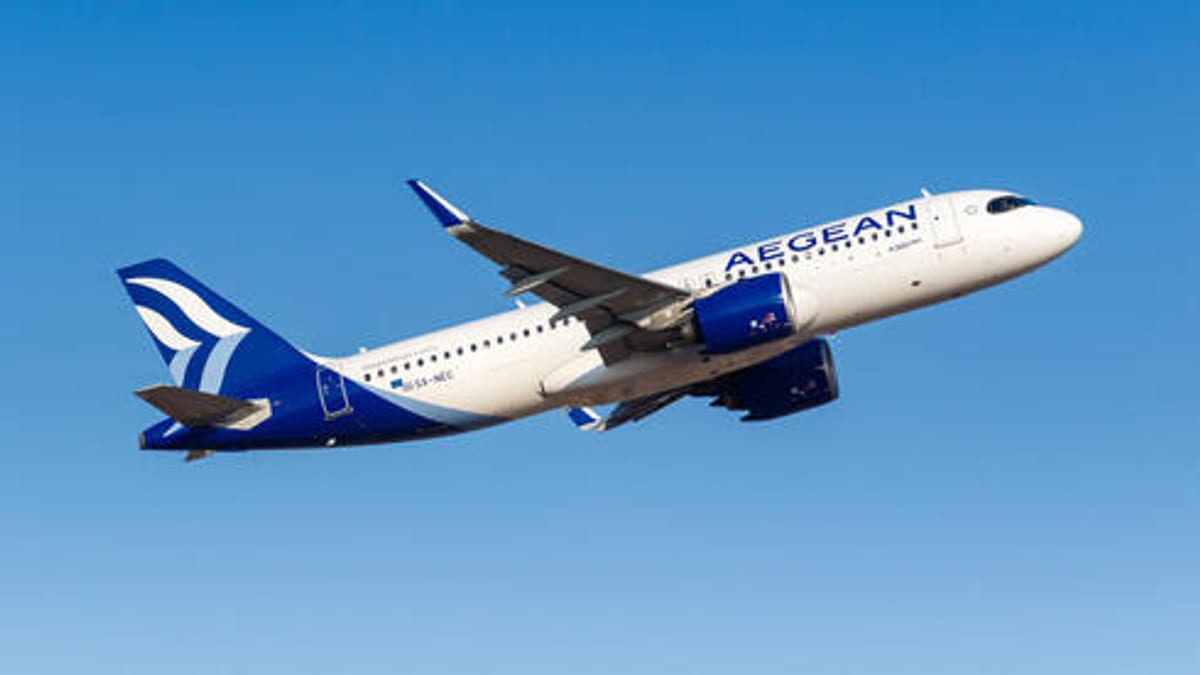
Aegean Extends Tel Aviv and Regional Cancellations
Aegean Airlines has lengthened its suspension of flights to Tel Aviv and several other Middle East destinations, pushing the restart date to June 26. Publicly available notices from the Greek carrier indicate that routes connecting Athens with Tel Aviv, Beirut, Amman and Erbil are affected, alongside several services deeper into the Gulf. The decision comes on top of earlier short-term cancellations and reflects the airline’s more cautious stance for the early summer season.
The airline’s updated schedule shows that Aegean has opted for a blanket pause across multiple cities rather than a route-by-route approach. Industry observers note that this strategy simplifies crew planning and aircraft utilization at a time when flight paths across the Eastern Mediterranean remain fluid. However, it also reduces the number of available seats into Israel and neighboring markets just as leisure and family travel would typically begin to ramp up.
Aegean has issued broader customer guidance around flexible rebooking and refunds, encouraging passengers to shift travel dates later into the summer. Travel agencies in Greece and Israel are reporting a wave of itinerary changes, with some travelers postponing trips altogether and others re-routing via airports that still maintain regular links with Israel.
Global Carriers Push Suspensions Deeper Into Summer
Aegean’s move aligns with a wider pattern among foreign airlines that continue to scale back or pause operations to Israel. Recent airline updates compiled by travel industry trackers show major European carriers, including members of the Lufthansa Group, Air France and KLM, extending suspensions of Tel Aviv service into late spring and early summer. In several cases, earlier restart dates have been repeatedly pushed back as security assessments evolve.
North American carriers are following a similar trajectory. Publicly available information shows that United Airlines has extended its suspension of Tel Aviv flights until at least September, effectively cancelling most of the 2026 summer season from the United States market. Delta Air Lines and American Airlines have adopted comparable timelines, with extended travel waivers and no firm restart dates on certain Israel routes.
Analysts tracking capacity into Ben Gurion Airport note that only a limited number of foreign airlines are currently operating regular schedules, while most international lift is being provided by Israeli carriers. This imbalance has driven up fares on remaining routes and forced many passengers to rely on multi-stop itineraries through European hubs that still permit connections onto El Al and a handful of regional operators.
Security Risks, Airspace Limits and Insurance Weigh on Decisions
Behind the wave of cancellations sits a complex risk calculus involving not only conditions in Israel, but also the wider Middle East. Travel advisories from European and international aviation bodies continue to highlight heightened risks across airspace over Israel, Lebanon, parts of Syria and sections of the Gulf region. Some guidance now recommends avoiding broad swaths of regional airspace or operating at higher altitudes and along restricted corridors.
Published coverage of airline operations indicates that several carriers have chosen to suspend Tel Aviv flights rather than operate extended detours or accept higher insurance premiums tied to conflict zones. Routing north via Turkey and the Caucasus or south via Egypt adds significant flying time and fuel burn, often undermining route profitability. For airlines that already face tight summer fleets, the trade-off increasingly favors redeploying aircraft to more predictable markets.
Insurers and lessors are also exerting indirect pressure. Industry reports suggest that in some cases, war-risk insurance surcharges for Israel-bound flights have risen sharply since the latest escalation, while technical requirements for crew training and contingency planning have become more demanding. Against that backdrop, many foreign airlines are opting for clear, longer-term suspensions instead of short rolling extensions that can create operational uncertainty and confuse passengers.
Passenger Impact and Limited Alternatives for Summer Travel
For travelers, the mounting list of cancellations is translating into fewer options and more complex journeys. Consumers who booked spring and early summer trips to Israel on foreign carriers are increasingly being offered refunds or rebookings later in the year, often without equivalent nonstop alternatives. Agents report that some passengers are shifting plans to autumn in hopes that more airlines will have resumed operations by then.
Where travel is still possible, itineraries are often fragmented. Many travelers from North America and Europe now piece together trips using a combination of Israeli carriers and connecting flights through select European hubs. This patchwork approach typically carries higher costs and longer total travel times, especially for families visiting relatives or religious travelers targeting specific holiday periods.
The shortages are particularly acute for group and pilgrimage travel, where block bookings that once relied on large foreign carriers must now compete for limited seats. Tour operators are reworking itineraries, shortening stays, or shifting departures to dates when capacity is marginally higher. Some are redirecting clients to alternative destinations in the Eastern Mediterranean, including Greece and Cyprus, where air links remain more stable.
Tourism Industry Braces for Prolonged Disruption
Israel’s tourism sector and wider regional travel industry are bracing for the impact of another disrupted peak season. Hotels, inbound tour companies and ground handlers in Israel are all exposed to a reduced flow of foreign visitors arriving on international airlines. While domestic demand and travel from nearby markets provide some cushion, the absence of large volumes from North America and Western Europe is likely to weigh on revenues.
Neighboring countries are experiencing knock-on effects as well. Cities that traditionally functioned as gateways to multi-country itineraries, such as Athens and Larnaca, are seeing booking patterns shift as travelers weigh safety concerns and potential last-minute changes in flight schedules. Even destinations not directly affected by conflict are adjusting marketing strategies to emphasize flexibility and free date changes.
With Aegean now extending its Middle East suspensions through June 26 and key global carriers signalling prolonged pauses, industry observers see limited prospects for a rapid normalization of Israel-bound air travel. Instead, airlines are expected to reassess route viability in stages through late summer and early autumn, leaving travelers and tourism businesses to navigate an unusually uncertain landscape for the rest of 2026.