

More news on this day
British holidaymakers planning Easter breaks in Dubai, Turkey and Greece are being urged to check the latest Foreign Office advice, as updated guidance highlights security risks, potential disruption and insurance implications across popular spring-sun destinations.
Get the latest news straight to your inbox!
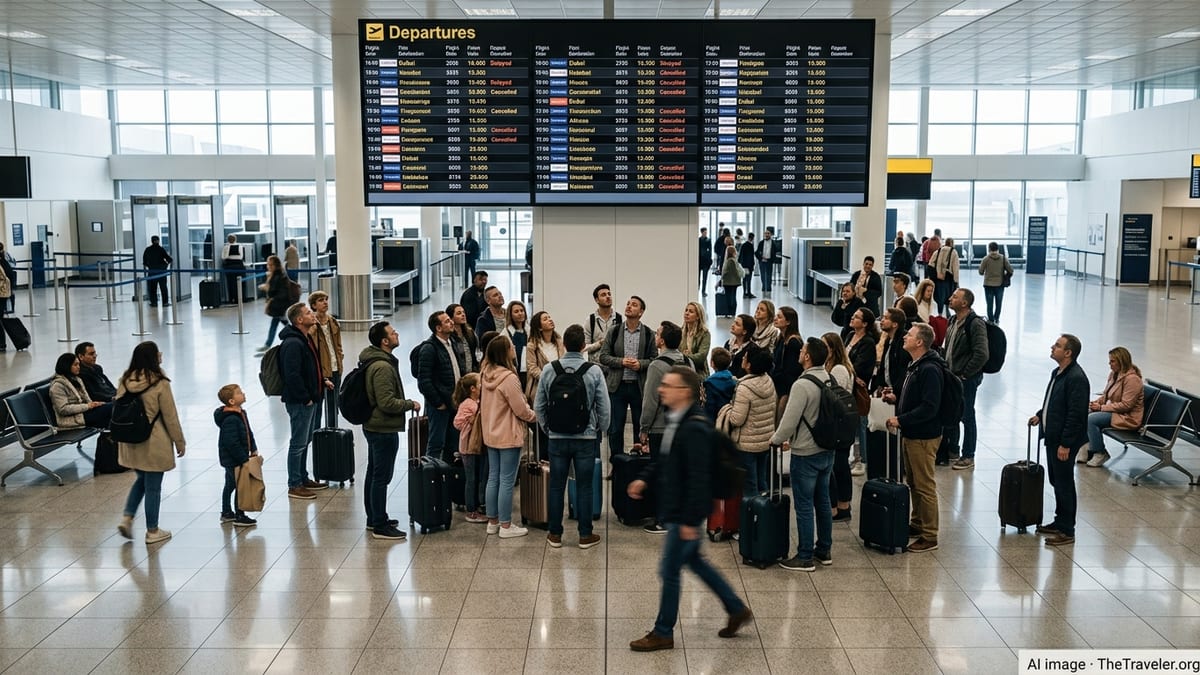
Dubai: Missile Strikes, Airspace Disruption and Ongoing Caution
Dubai remains one of the most popular long-haul destinations for UK travellers at Easter, but recent regional tensions have sharply altered the official risk picture. Publicly available reporting shows that from late February 2026 Iran conducted a series of missile and drone attacks against the United Arab Emirates, with strikes and debris incidents affecting sites across the country and prompting temporary closures at Dubai International Airport. Additional coverage indicates that further drone activity in mid-March led to renewed ground stops and a short suspension of some flights.
The Foreign, Commonwealth and Development Office (FCDO) has responded with strengthened warnings around travel to the UAE, including Dubai, advising UK nationals to closely monitor the travel advice pages and to be prepared for sudden changes to flight schedules and routing. Travel industry briefings and consumer reports indicate that some airlines have rerouted services to avoid affected airspace, while others have temporarily reduced frequencies, leading to delays, missed connections and, in some cases, passengers being stranded while waiting for alternative flights.
For Easter holidaymakers, the most immediate impact is likely to be disruption rather than day-to-day insecurity within Dubai’s resort districts, where the on-the-ground situation is generally described as calm and heavily policed. However, risk consultancies and insurance providers note that the FCDO’s higher level of concern over the UAE’s exposure to cross-border attacks may affect travel insurance cover. Policies purchased before the escalation may still be valid, but travellers are being advised to confirm with their insurers whether travelling against the latest FCDO warning would void cancellation or medical cover.
Travellers transiting via Dubai on their way to Asia and Australasia are also being urged to revisit their itineraries. Consumer forums and airline statements show that itineraries routed through Dubai have been particularly vulnerable to last-minute cancellations when airspace restrictions tighten. Passengers with Easter departures are being encouraged to ensure contact details are up to date with airlines, allow extra time for connections and consider flexible or refundable tickets where possible.
Turkey: Targeted Restrictions in the South East Amid Wider Tourism Rebound
Turkey is preparing for a busy Easter season following strong tourism numbers in 2025, but the FCDO continues to distinguish between mainstream coastal and city destinations and higher-risk areas near conflict zones. Recent updates to the UK government’s Turkey travel advice reiterate long-standing guidance against all travel within 10 kilometres of the Syrian border and against all but essential travel to the south-eastern provinces of Sirnak and Hakkari, citing the risk from terrorism and cross-border instability.
At the same time, publicly available commentary on the advisory notes that no blanket warning is in place for major tourist areas such as Istanbul, Antalya, Bodrum and the wider Turquoise Coast. These regions remain open for leisure travel, with the FCDO advising visitors to exercise a high degree of vigilance, especially in crowded public places, on public transport and near government or security sites. International partners, including Australia’s Smartraveller service and the United States government, adopt similar language, flagging terrorism as a persistent but generally low-probability risk in key tourism hubs.
Recent earthquake activity also features in the risk assessments for Turkey. Insurance and consular briefings continue to reference the country’s exposure to seismic events, particularly around the Sea of Marmara and eastern fault lines. While there is no specific Easter-season warning tied to earthquakes, the FCDO encourages travellers to familiarise themselves with hotel safety procedures, follow local instructions in the event of tremors and be aware that infrastructure in some regions remains under repair following previous quakes.
For UK travellers heading to Turkey over Easter, the practical implications are twofold. First, itineraries that stray into the far south-east, or which involve overland travel close to the Syrian or Iraqi borders, may not be covered by standard insurance if they fall into areas where the FCDO advises against all or all but essential travel. Second, even in popular resorts, security checks, roadblocks or demonstrations can sometimes cause delays. Travellers are encouraged to build extra time into airport transfers, avoid political gatherings and keep passports and essential medication with them in case of short-notice disruption.
Greece: Routine Protests, Wildfire Legacy and Summer Heat Concerns
In contrast to the more severe language applied to parts of the Middle East, the FCDO’s latest advice for Greece remains comparatively reassuring ahead of the Easter holidays. The official Greece travel advice, last updated in early March 2026, continues to categorise the country as a destination where most visits are trouble-free, while underlining familiar seasonal and urban risks such as demonstrations, strikes and a rising wildfire threat as summer approaches.
Government travel pages and partner advisories highlight that public protests and industrial action are a regular feature of Greek political life, particularly in Athens and Thessaloniki. Demonstrations may be announced in advance to mark politically sensitive anniversaries, but some take place with little notice and can lead to localised disruption around main squares, parliament buildings and transport hubs. Guidance for visitors is to avoid large gatherings, follow local media and allow extra travel time on days when strikes affect ferries, flights or public transport.
Although wildfires are not typically at their peak during the Easter period, international coverage of recent Greek fire seasons continues to influence official messaging. Consular and emergency management information stresses that causing a wildfire, even unintentionally, is a criminal offence and that restrictions on barbecues, off-road driving and smoking in forested areas can be strictly enforced during high-risk months. Travellers booking Easter trips to islands or rural mainland regions are being advised to register for the Greek government’s emergency alert system, where available, so that they can receive real-time evacuation or safety messages in the unlikely event of an incident.
Greece’s broader security environment is currently assessed as stable, with no specific additional restrictions linked to the wider Middle East tensions that have affected air routes elsewhere in the region. Specialist travel risk analysis published in March 2026 characterises Greece as extremely safe for visitors, although it notes that the country’s role as a regional transport hub means travellers should remain aware of any knock-on effects if airspace closures or diversions occur in neighbouring countries. For Easter holidaymakers, that primarily translates into the usual recommendation to monitor flight information closely and maintain flexible onward plans, particularly when connecting via large hubs such as Athens.
What Easter Travellers Should Do Now
Across Dubai, Turkey and Greece, a consistent theme in Foreign Office material and wider government advisories is the need for travellers to treat official travel advice as a living document rather than a one-off pre-departure check. The situation around Dubai, in particular, has evolved quickly since the end of February, underlining how airspace status and security assessments can change within hours in response to regional developments.
Holidaymakers are therefore being urged by consumer advocates and the travel industry to review the FCDO pages for their specific destination and any planned transit points both at the time of booking and again in the days immediately before departure. This is especially important for those travelling on non-flexible tickets, as changes in official advice after booking can influence options for refunds, date changes or insurance claims.
Insurance specialists recommend checking policy wording to confirm how cover responds when the FCDO moves from routine advice to stronger language, such as advising against all but essential travel to certain areas. In many cases, travellers who booked before a warning was introduced may have a stronger case for cancellation or curtailment claims than those who purchase flights after the risks have been clearly flagged. Keeping clear records of booking dates, airline notifications and any additional costs incurred can make it easier to resolve disputes later.
With schools in England and Wales due to break up shortly before Easter Sunday on 5 April 2026, demand for flights to warm-weather destinations is expected to remain high despite the more complex risk picture. Travel commentators suggest that those who remain comfortable with the level of risk can reduce uncertainty by booking with reputable tour operators, opting for packages rather than separate elements where consumer protections are stronger, and staying prepared for last-minute adjustments to routes and timings as the situation in Dubai, Turkey and the wider region continues to evolve.