

Foreign property ownership in the United Arab Emirates is governed by a mix of federal principles and emirate-level legislation that define where and how non-citizens may acquire real estate. For individuals and companies evaluating relocation or regional headquarters decisions, understanding these rules is critical, as property rights differ substantially between emirates, asset types and legal structures. This briefing explains the current framework of foreign property ownership in the UAE, with a focus on the practical implications for long-term residents, corporate occupiers and cross-border investors.
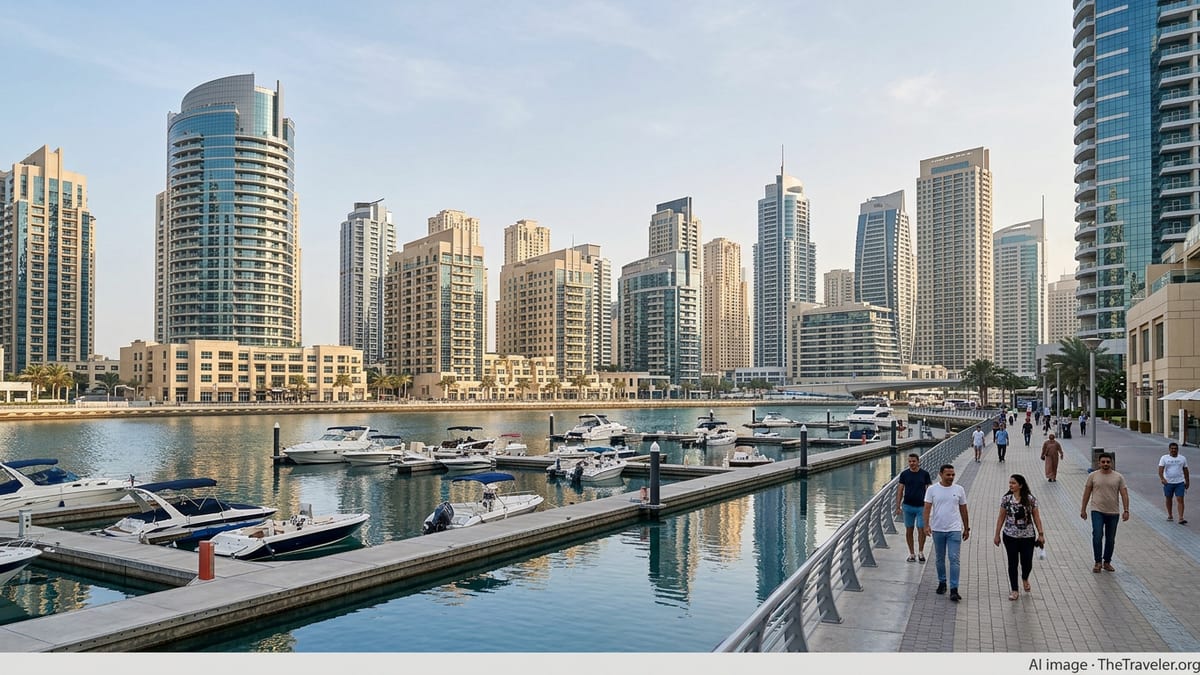
Overall Legal Framework for Foreign Property Ownership in the UAE
Real estate in the UAE is regulated primarily at the emirate level, meaning that each emirate sets its own rules on foreign ownership, subject to broad federal principles. There is no single unified national property code that grants identical rights across the country. Instead, emirates such as Dubai and Abu Dhabi have adopted specific laws that open defined zones and property rights to foreign nationals, while other emirates remain more restrictive or limit ownership to selected developments.
In practice, foreign ownership in the UAE is structured around two core concepts: geographic designation and type of real right. Geographic designation refers to specific areas officially opened to non-UAE nationals, often described as “designated areas,” “investment zones” or “freehold areas” depending on the emirate. Within these areas, foreigners may hold different categories of rights such as freehold, usufruct, musataha or long-term leasehold, each carrying distinct levels of control, duration and transferability.
Foreign nationals are generally not permitted to own property outside the designated investment or freehold areas in major emirates such as Dubai and Abu Dhabi. Outside these areas, full real rights in land are typically reserved for UAE nationals or entities wholly owned by them. As a result, any relocation or expansion strategy that depends on property ownership must start by mapping which districts are open to foreign buyers and what type of rights can be registered there.
While the overall direction of policy has been liberalising, with more districts opened to foreign investors over the last decade, the framework remains conservative in key respects. Freehold is available only in specified zones, the terminology of rights is rooted in civil law concepts rather than common-law freehold and leasehold, and corporate vehicles used for acquisition can materially affect what is permitted. These factors require careful structuring and local legal advice before making binding commitments.
Key Ownership Types: Freehold, Usufruct, Musataha and Leasehold
Foreign property ownership in the UAE revolves around a small number of recognised real rights. Freehold typically grants outright ownership of a unit or plot, including the land beneath it in areas where this is expressly allowed, with no fixed term. This is the closest analogue to full ownership in other jurisdictions and is available to foreigners only in designated areas within certain emirates. It is usually accompanied by registration at the relevant land department and issuance of a title deed.
Usufruct is a long-term right to use, enjoy and derive benefit from property owned by another party for a defined period, commonly up to 99 years, without owning the underlying land. In some emirates, foreign nationals can register usufruct rights over residential units, giving them secure occupation and the ability to lease the property, subject to contract and local regulations, but without perpetual title to the land.
Musataha is a development-oriented right that grants its holder the ability to construct or develop buildings on land owned by someone else, typically for a period of up to 50 years, sometimes renewable. This right is especially relevant for corporate occupiers, logistics operators and developers who need control over built assets but are not permitted to own the land itself. Musataha rights are often standardised and registrable, offering a measure of security similar to a long building lease in other jurisdictions.
Long-term leasehold, often granted for periods ranging from 25 to 99 years, is another mechanism through which foreigners can secure use of property. In some investment zones, foreign nationals may hold a leasehold or similar right to a residential unit, particularly apartments in master-planned developments. The precise mix of freehold, usufruct, musataha and leasehold available to foreigners varies by emirate and by project, so prospective buyers must confirm the exact category of right being offered before execution of a sales agreement.
Dubai: Designated Areas and Foreign Buyer Rights
Dubai has one of the most developed and liberal frameworks for foreign property ownership in the UAE. Foreign nationals may own real estate in specific areas designated by the government for foreign ownership. In these designated areas, foreign buyers can typically acquire freehold title to real estate, including ownership of the unit and, where applicable, a share of the land or common areas, with no time limit, as well as other registrable rights such as usufruct, musataha and long-term leases up to 99 years.
The list of designated areas includes many of Dubai’s largest master-planned communities and investment hubs, such as coastal residential districts, integrated mixed-use developments and expanding suburban communities. Over time, Dubai has expanded the map of districts open to foreign freehold, adding new business corridors and mixed-use areas. Recent policy steps have included opening additional stretches of key arterial corridors and emerging waterfront and inland communities to freehold eligibility, which broadens the range of options available to foreign residents and investors.
Within these areas, Dubai’s legal framework provides that foreign nationals and foreign-owned companies can register their ownership at the emirate’s land department and receive title documents. Property can typically be bought, sold, mortgaged, and inherited according to local law, subject to any contractual restrictions and master-community regulations. For buyers using corporate structures, only certain categories of companies are eligible to hold Dubai property, such as locally licensed limited liability companies meeting ownership criteria or specific offshore and free zone vehicles that the authorities recognise for property ownership in designated zones.
It is important to note that outside the designated areas, only UAE and Gulf Cooperation Council nationals, and entities wholly owned by them, can own freehold property in Dubai. Foreign nationals therefore need to ensure that any prospective acquisition falls within a zone legally open to them and that preliminary documents such as reservation forms and sale and purchase agreements accurately reflect the type of right being transferred and its term. For long-term residents considering Dubai as a base, this effectively channels ownership decisions into a defined and frequently updated set of communities.
Abu Dhabi: Investment Zones and Evolving Ownership Rights
Abu Dhabi historically limited foreign participation in its property market more tightly than Dubai, but a series of legal reforms have significantly expanded what non-UAE nationals can own within the emirate’s designated investment zones. Under current rules, foreign individuals and foreign legal entities may own real estate rights in these investment zones, subject to the type of property and the relevant emirate-level legislation. In these zones, foreigners can generally acquire residential units, and in many cases both the building and the land, depending on the project’s structure and the category of right registered.
Investment zones in Abu Dhabi include major mixed-use islands and residential districts that have been purposely opened for international capital, such as waterfront islands, entertainment and lifestyle destinations and key business areas. Within these zones, foreign buyers may be able to secure freehold ownership of units and, in some cases, land, alongside other rights such as long-term usufruct and musataha. Recent practice indicates that foreign nationals can hold rights over residential units for periods of up to several decades where full freehold is not offered, while dedicated musataha and usufruct structures are common for commercial or development land.
Outside the investment zones, real rights in land and property in Abu Dhabi remain largely restricted to UAE nationals and entities that are ultimately and wholly owned by UAE citizens. This preserves a dual system in which key strategic areas and legacy districts remain off-limits to foreign ownership, while designated investment zones provide an internationally oriented property market. Relocating organisations and individuals therefore need to align their location strategy with the emirate’s zoning, especially when long-term asset control is a priority.
Abu Dhabi’s authorities continue to refine documentation and standard forms for musataha and related rights, especially where government entities are involved, and private sector transactions often follow similar patterns. For foreign buyers, this means that the wording of the registered right, including its duration, permitted uses, renewal mechanisms and mortgageability, should be reviewed closely. Legal reforms over the past several years have generally moved toward giving foreign holders clearer rights to mortgage, transfer and trade their interests within investment zones, which is particularly relevant for corporate treasury and risk planning.
Other Emirates: Sharjah, Ras Al Khaimah and Northern Emirates
Outside Dubai and Abu Dhabi, foreign property ownership rules differ across the remaining emirates and generally remain more limited. Some emirates permit foreigners to acquire restricted forms of ownership or long-term leasehold in specific developments, typically large master-planned communities or designated investment projects. These arrangements may be structured as leasehold for a fixed term, usufruct rights over units, or in certain cases project-specific freehold, often with conditions regarding resale and eligibility.
Sharjah has traditionally imposed one of the more conservative regimes, generally restricting freehold land ownership to UAE and Gulf Cooperation Council nationals. However, selected large-scale developments have been marketed to foreign buyers under long-term lease or usufruct structures. In these projects, non-GCC foreigners typically receive a long-duration right to occupy and use residential units, sometimes for 100 years or more, rather than perpetual freehold of the underlying land. This allows participation in the market while preserving local control of land ownership.
Ras Al Khaimah and other northern emirates have also launched investment-focused projects where foreign nationals may purchase property on a freehold or long-term lease basis, particularly within resort-style or integrated communities. The detailed legal position depends on local legislation and project documentation, which can differ significantly between emirates. In some cases, foreign ownership is facilitated through free zone company structures that can own real estate within designated areas, combining business licensing and property control in a single vehicle.
For relocation planning, the key point is that foreign property rights outside Dubai and Abu Dhabi are more fragmented and project-specific. Prospective buyers should treat official marketing descriptions such as “freehold,” “lease to own,” or “99-year ownership” as starting points and require clear confirmation of the registered legal right, its duration and its transferability. This is particularly relevant for organisations seeking operational facilities or staff accommodation outside the two largest emirates.
Corporate Structures and Ownership Vehicles for Foreign Buyers
Foreign individuals can purchase property in designated areas in their personal names, but corporate buyers often use specific legal vehicles to hold UAE real estate, especially in Dubai. Only certain categories of companies are generally allowed to register freehold, leasehold or usufruct rights in designated areas. These typically include locally licensed limited liability companies with an ownership structure that satisfies UAE law, as well as selected offshore or free zone entities that the land department recognises as eligible property owners.
Examples of vehicles that may be used include companies incorporated in recognised free zones or offshore registries, subject to the land department’s approval and compliance with any additional documentation requirements. In financial free zones that operate under separate legal systems, such as those applying common law principles within their jurisdiction, foreign nationals, foreign companies and regional investors can usually acquire real estate without the same restrictions that apply elsewhere in the emirate. However, ownership inside a financial free zone does not automatically confer the right to hold property outside that zone.
In Abu Dhabi, foreign companies can own rights in real estate within investment zones, but full ownership outside those zones is generally reserved for UAE nationals and entities wholly owned by them. Some free zones and economic zones allow 100 percent foreign ownership of companies, which in turn can lease or hold rights over property within that free zone or in authorised investment areas. The combination of corporate law reforms and property regulations therefore creates multiple pathways for structuring ownership, but the specific permissions differ by zone and by emirate.
Foreign buyers considering corporate structures should evaluate not only eligibility to hold title, but also tax treatment in their home jurisdiction, governance rules, and any restrictions on financing and mortgaging. Many local lenders have established practices for lending against freehold and long-term real rights in designated areas, but may apply different risk parameters to usufruct or musataha rights than to perpetual freehold. For international organisations, advance coordination between legal, tax and treasury teams is advisable before finalising the choice of vehicle.
The Takeaway
Foreign property ownership laws in the UAE provide a structured but geographically and legally segmented framework that combines internationally familiar concepts such as freehold and long leasehold with civil-law constructs like usufruct and musataha. Dubai offers the broadest range of freehold options for foreigners in specifically designated areas, while Abu Dhabi grants foreign individuals and entities meaningful rights in its investment zones, including ownership of units and, in many cases, development and usage rights over land for fixed terms.
Other emirates allow foreign ownership primarily through project-specific regimes, often favouring long-term leasehold or usufruct rather than unrestricted freehold. Across the country, the core constraints are clear: foreigners cannot generally own property outside designated areas, the type of right on offer must be verified, and corporate ownership structures must align with local eligibility rules. For individuals and companies evaluating relocation to the UAE, property ownership is feasible and increasingly accessible, but it remains highly dependent on location, legal form and asset type.
Decision-makers should therefore treat property acquisition as a structured legal process rather than a purely transactional purchase. This involves confirming whether the target asset lies within a designated or investment zone, establishing exactly which real right is being acquired and its duration, and ensuring that the buyer’s personal or corporate profile is compatible with registration requirements in the relevant emirate. With these elements in place, foreign buyers can obtain secure, registrable rights that support long-term residence, operational stability and capital deployment in one of the region’s most dynamic real estate markets.
FAQ
Q1. Can foreigners own freehold property anywhere in the UAE?
Foreigners cannot own freehold property everywhere in the UAE. Freehold is generally limited to officially designated areas or investment zones in each emirate.
Q2. What is the main difference between freehold and usufruct in the UAE?
Freehold typically gives perpetual ownership of the unit, and in some areas the land, while usufruct grants long-term usage and enjoyment rights for a fixed period without land ownership.
Q3. Are foreign buyers allowed to own land as well as buildings in Abu Dhabi?
In Abu Dhabi investment zones, foreign buyers can own residential units and, in some projects, both buildings and land, but outside these zones land ownership remains restricted to UAE nationals.
Q4. Is it possible for a foreign company to own property in Dubai?
Yes, but only certain recognised company types can hold property in Dubai’s designated areas, subject to land department rules and eligibility criteria for corporate ownership.
Q5. Can foreigners buy property outside designated or investment zones?
Generally no. Outside designated or investment zones, real rights in land are usually reserved for UAE nationals or entities wholly owned by them, so foreigners must focus on opened areas.
Q6. How long can a foreigner hold a usufruct or long-term lease in the UAE?
The duration depends on emirate and contract, but usufruct and long-term leases for foreigners commonly range from several decades up to around 99 years in some zones.
Q7. Do foreign owners have the right to sell or mortgage their UAE properties?
Foreign owners in designated or investment zones can typically sell, transfer or mortgage their registered rights, subject to local regulations and any contractual restrictions in the project.
Q8. Are property ownership rules the same across all seven emirates?
No. Each emirate sets its own rules on foreign ownership. Dubai and Abu Dhabi are more open, while other emirates may limit foreign rights to specific projects or long-term leases.
Q9. Is residency in the UAE required to buy property as a foreigner?
Residency is not generally a legal requirement to purchase property in designated areas, although owning property may support visa options and practical relocation planning.
Q10. Should foreign buyers rely on marketing terms like “freehold” without legal verification?
No. Buyers should verify in writing what legal right is being registered, its duration and conditions, rather than relying solely on marketing descriptions or sales brochures.