

More news on this day
Spring break travelers moving through Fort Lauderdale-Hollywood International Airport faced a new wave of disruption this week, as flight-tracking snapshots showed delays affecting 168 departures and arrivals in a single day, compounding wider strain across Florida’s already congested air corridor.
Get the latest news straight to your inbox!
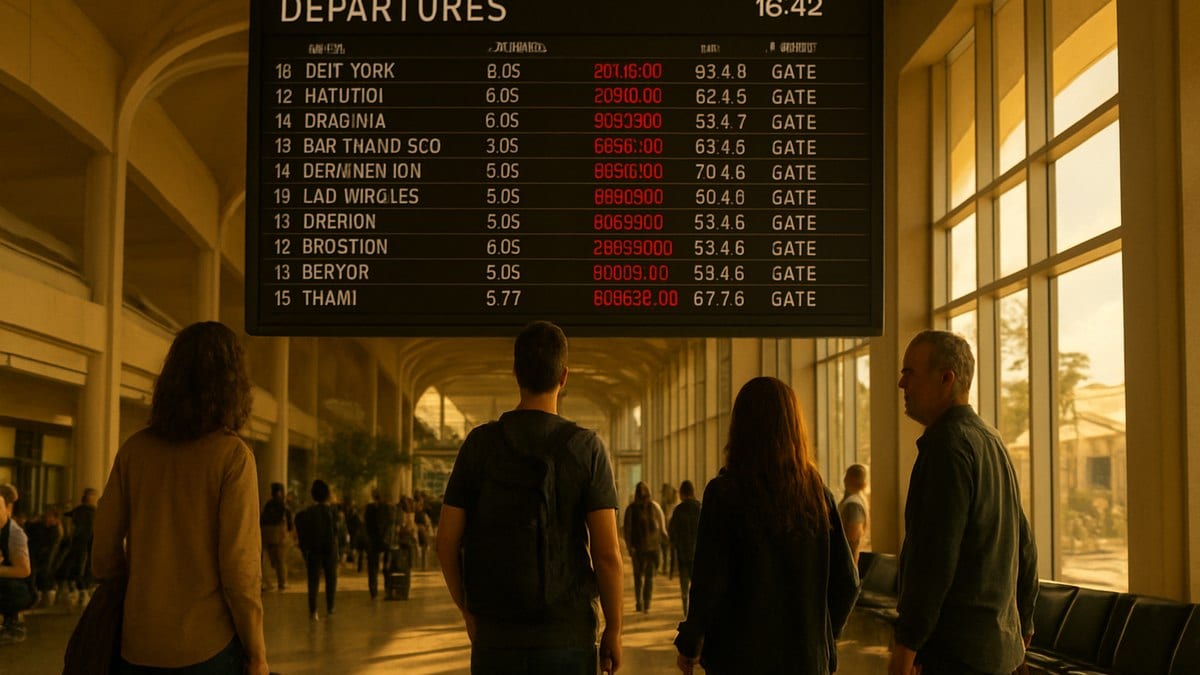
Spring Break Rush Collides With Tight Schedules
The latest disruption at Fort Lauderdale comes during one of the airport’s busiest periods of the year, with spring break traffic boosting leisure demand on routes up and down the East Coast, into the Midwest and across the Caribbean. Publicly available data from airline and airport reports indicates that passenger volumes at large Florida gateways in early 2026 are at or above pre-pandemic levels, leaving limited slack in the system when irregular operations occur.
Industry coverage of this year’s travel season describes tight aircraft utilization and high load factors across many Florida routes, especially during peak morning and evening banks. When flights are already near full, even a modest ground delay program or storm-related slowdown can force airlines to roll schedule changes through the rest of the day, driving up the number of late arrivals and departures without immediately triggering mass cancellations.
At Fort Lauderdale, the 168 delayed flights represent a meaningful share of daily movements for a predominantly leisure-focused airport, where many passengers are connecting to cruises or time-sensitive vacation plans. Travel reports highlight that disruptions during this window can be particularly painful, as accommodation check-ins, cruise departures and tour itineraries are often tightly choreographed around planned arrival times.
Reports from aviation analytics firms also note that, compared with larger connecting hubs, mid-sized gateways such as Fort Lauderdale have fewer alternative aircraft and crew options on standby. That can make it harder to recover quickly once a disruption takes hold, increasing the risk that an initial spike in delays lingers into subsequent days.
Weather and Congestion Across Florida’s Air Corridor
The Fort Lauderdale bottleneck has unfolded against a backdrop of unsettled early April weather and congestion across Florida’s broader air network. Recent travel coverage points to waves of thunderstorms and low cloud ceilings affecting major tourist gateways including Miami and Orlando, with knock-on effects at secondary airports such as Fort Lauderdale and Tampa.
When storms move through Central and South Florida, air traffic managers may reduce arrival rates into affected airports, place aircraft in holding patterns or implement ground delay programs. Even if runways remain open, these constraints limit the number of airplanes that can land each hour, creating queues that spread to origin airports hundreds of miles away. Fort Lauderdale’s 168 delayed flights are part of that wider pattern, as overloaded air corridors make it harder to keep tightly scheduled spring break operations running on time.
Travel industry analysis also underscores the shared vulnerability of Florida airports that rely heavily on the same air traffic control centers and weather-sensitive routes. Disruptions at Miami or Orlando can quickly ripple to Fort Lauderdale when aircraft and crew are due to reposition between airports, or when passengers are routed through alternative gateways after a cancellation.
These dynamics have been visible across the United States in recent days, with published data showing thousands of delays nationwide on some peak travel dates. Coverage focused on Florida notes that the state’s mix of intense holiday demand and frequent convective weather makes it one of the most disruption-prone regions during spring break.
Why 168 Delays Matter for Travelers
While the raw number of 168 delayed flights at Fort Lauderdale may appear modest compared with national totals, the concentration at a single airport can significantly magnify the impact on individual travelers. Many of the airport’s routes are served only a few times per day, meaning that a delay of several hours can upend entire itineraries and sharply limit rebooking options.
Analysts tracking on-time performance note that delays often cascade, particularly when the same aircraft is scheduled to operate multiple legs in quick succession. A late arriving morning flight into Fort Lauderdale can push back its onward departure, which in turn delays an evening return, compounding disruption for passengers who may never pass through Florida but rely on aircraft cycling through the state.
Travelers connecting to cruises or escorted tours from Fort Lauderdale face additional vulnerability. Publicly available guidance from cruise operators and travel advisors frequently emphasizes arriving at the port city at least a day early during peak seasons, precisely because airport delays like this can make it risky to rely on same-day arrivals. When 168 flights encounter delays during the height of spring break, same-day cruise and tour connections become particularly precarious.
Consumer-focused outlets also highlight the financial and emotional toll of such disruptions. Families on tightly budgeted vacations may incur unexpected costs for meals, airport transfers or additional hotel nights, while missed reservations or prepaid experiences can prove difficult to recover. For some travelers, the impact of a delay is felt long after the aircraft eventually departs.
Part of a Broader Pattern at U.S. Airports
The situation at Fort Lauderdale reflects broader strains across the U.S. aviation system this spring, as weather, ongoing infrastructure work and staffing challenges intersect with strong leisure demand. Recent nationwide snapshots compiled from flight-tracking platforms show elevated levels of delays at multiple large hubs, including major Florida gateways, Atlanta, New York area airports and Chicago, on several days in early April.
Reports examining national performance trends point to runway and taxiway projects at some airports, as well as roadworks on approach routes, as additional sources of congestion during peak travel windows. Even when Fort Lauderdale itself is not undergoing major airfield construction, system-wide bottlenecks can still affect its operations, particularly when flights depend on connections to or from constrained hubs.
Staffing levels among ground handlers, maintenance teams and customer service agents also continue to draw scrutiny. Trade and policy analyses describe how lean staffing models can lengthen recovery times after storms or air traffic flow restrictions, as there may be fewer spare crew and fewer open maintenance slots to help airlines reset their schedules.
In this context, Fort Lauderdale’s one-day tally of 168 delayed flights is seen by analysts as a symptom of larger structural pressures that have kept the U.S. air travel network fragile since demand rebounded. With spring break and Easter traffic blending into early summer planning, observers suggest that similar flare-ups are likely if weather conditions and system constraints align.
What Travelers Can Do During Peak Disruption
Travel guidance emerging from this latest episode at Fort Lauderdale emphasizes preparation and flexibility for anyone flying through Florida during the spring break period. Widely circulated recommendations encourage passengers to schedule earlier flights in the day when possible, as morning departures are less exposed to knock-on delays from earlier disruptions.
Experts cited in consumer travel coverage also advise allowing generous buffer time for connections, particularly when itineraries involve multiple Florida airports or heavily trafficked hubs. With Fort Lauderdale and neighboring gateways showing elevated delay levels, tighter connections risk unraveling quickly once a storm system or air traffic control restriction appears.
Publicly available advisories from airlines and airports continue to stress the importance of monitoring flight status via official apps and departure boards, as schedules can change rapidly when delay counts start to climb. During periods when airports like Fort Lauderdale see triple-digit delays, checking real-time information before leaving for the airport can help travelers adjust plans, request rebooking options or explore alternative routings.
Travel publications further suggest that passengers familiarize themselves with airline policies on delays and cancellations, including eligibility for refunds or travel credits in specific circumstances. Understanding these rules in advance can help travelers navigate long waits and crowded customer service lines when disruptions such as Fort Lauderdale’s 168-flight delay surge unfold at the height of the spring break rush.