

More news on this day
Spring travelers moving through Fort Lauderdale-Hollywood International Airport are facing fresh disruption as flight-tracking snapshots show 168 delays and seven cancellations affecting carriers such as Spirit Airlines, Allegiant Air, Air Canada and Aztec Airways, with knock-on effects on routes to Indianapolis and Santiago de los Caballeros.
Get the latest news straight to your inbox!
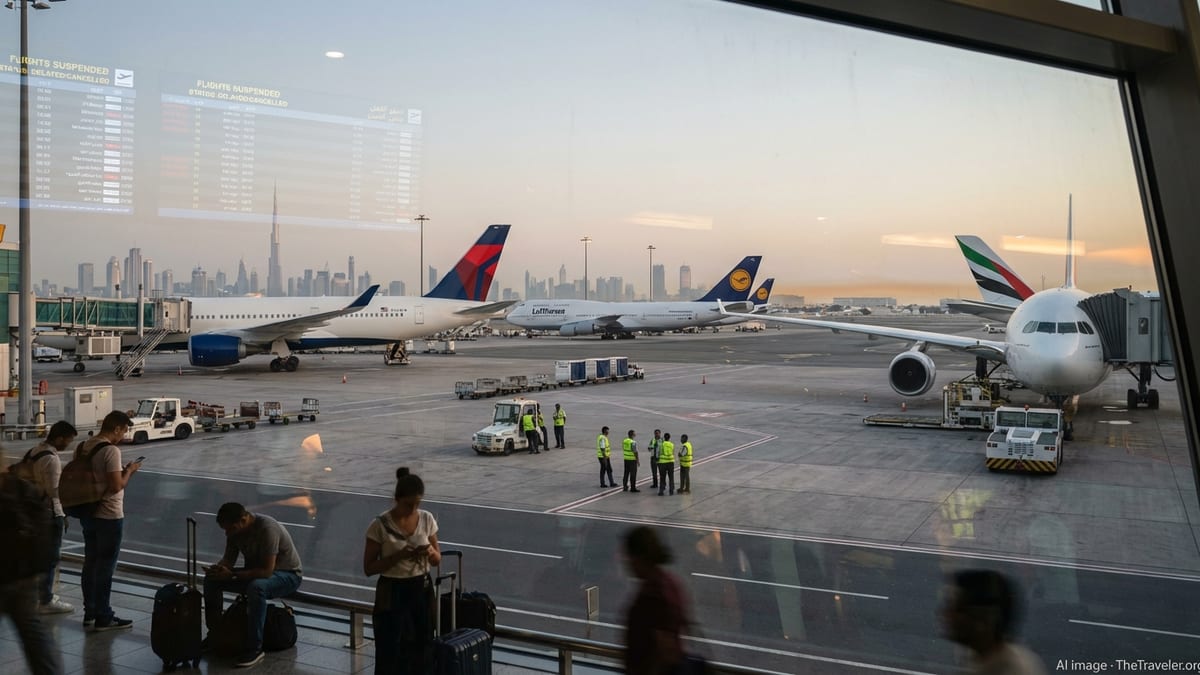
Fort Lauderdale Becomes Latest Hotspot In April Disruptions
The new wave of interference at Fort Lauderdale-Hollywood International Airport comes during a broader spell of early April travel volatility across the United States. Publicly available tracking boards and aviation data for this period indicate that weather fluctuations in Florida, tighter aircraft utilization and heavy spring break demand have left little slack in airline schedules. When one departure slips, subsequent rotations along the same route often follow.
Reports covering national traffic patterns in recent days point to Florida as a recurring pressure point, with Orlando and Miami already recording triple digit delay counts and clusters of cancellations. Fort Lauderdale appears to be experiencing similar stress as airlines work dense schedules through South Florida, using the region as a launch pad for domestic and Caribbean services.
While Fort Lauderdale’s airfield has remained open, intermittent thunderstorms, low clouds and periods of reduced visibility around South Florida are reported to have triggered ground delay programs and slower arrival rates at various times this week. That type of constraint can quickly push departures behind schedule, especially for carriers that turn aircraft around quickly between flights.
The combination of operational constraints and high passenger volumes means relatively modest weather shifts can ripple across an entire day’s timetable, amplifying the impact of each individual delay or cancellation on travelers using Fort Lauderdale as either an origin, destination or connection point.
Low Cost Carriers Bear Brunt Of Schedule Slippage
Among the airlines most visibly affected by the latest disruptions at Fort Lauderdale are low cost and leisure focused operators. Flight-status snapshots show Spirit Airlines, Allegiant Air, Air Canada and Aztec Airways among the carriers registering delayed or canceled services in the current tally of 168 delays and seven cancellations attributed to the airport.
Industry performance summaries and recent consumer reports indicate that ultra low cost airlines often operate with leaner spare aircraft and crew resources compared with legacy network carriers. This approach supports lower fares, but it can also leave those airlines more exposed when weather or airspace constraints force a series of rolling schedule changes across the day.
Historical on time statistics from transportation databases show that both Spirit Airlines and Allegiant Air typically complete a large majority of their flights as scheduled, but also experience measurable shares of delays tied to late arriving aircraft, crew rotations and broader system issues. When an inbound flight to Fort Lauderdale arrives late, the same aircraft may then depart late on multiple subsequent legs, magnifying the disruption.
Regional and charter style operators such as Aztec Airways, which link South Florida with smaller markets in the Bahamas and within the state, can face their own challenges. With limited fleet sizes and specialized route networks, a single aircraft taken out of position by weather or maintenance can affect several departures before operations stabilize.
Key Routes To Indianapolis And Santiago De Los Caballeros Affected
The current pattern of disruption is particularly visible on certain leisure and visiting friends and relatives corridors. Routes connecting Fort Lauderdale with Indianapolis and with Santiago de los Caballeros in the Dominican Republic are among those experiencing schedule interference as a result of the delays and cancellations logged at the airport.
Indianapolis has become an important spoke in the low cost network from Fort Lauderdale, with airlines such as Allegiant Air and Spirit Airlines using the pairing to serve Midwestern travelers seeking access to South Florida’s beaches and cruise terminals. Airline activity reports from Indianapolis show steady growth over recent years in low cost carrier seats on Florida routes, underlining the importance of reliability on these links for both tourism and family travel.
On the international side, Fort Lauderdale functions as a significant gateway to the Caribbean, including services to Santiago de los Caballeros. Publicly available route maps show that flights between South Florida and the Dominican Republic attract a mix of leisure passengers and travelers visiting family, many of whom build itineraries tightly around school holidays and work schedules. For these travelers, even short delays can affect ground transportation and onward domestic connections within the Dominican Republic.
When departures from Fort Lauderdale slip or are canceled, airlines may rebook passengers onto later services or through alternative hubs where space allows. However, on niche or less frequent routes, options can be limited, increasing the likelihood of overnight stays or extended travel times for those heading to or from Indianapolis and Santiago de los Caballeros.
Travelers Confront Long Waits And Tight Rebooking Options
The cumulative effect of 168 delays and seven cancellations at a single airport can translate into significant inconvenience on the concourse. Passengers passing through Fort Lauderdale during this disruption window have reported extended waits at departure gates, long lines at customer service desks and uncertainty over precise departure times as schedules continue to shift.
Because many of the affected carriers focus on point to point leisure traffic and operate limited daily frequencies on certain routes, rebooking options can be constrained. Travelers whose flights are canceled outright may find that the next available departure on the same airline is one or more days away, particularly on thinner routes or in peak travel periods.
Consumer advocacy organizations note that U.S. passenger rights vary depending on the cause of a delay or cancellation and whether the flight is domestic or international. Published guidance from regulators states that airlines are generally required to provide refunds when they cancel a flight and the passenger chooses not to travel, but that compensation for delays is often voluntary and determined by the carrier’s own policies.
In practice, some airlines respond to extended disruptions by distributing meal vouchers, hotel accommodations or travel credits, especially when the cause lies within their control, such as crew scheduling or maintenance. When weather or air traffic control constraints are involved, assistance may be more limited, leaving travelers to seek out nearby hotels or adjust plans at their own expense.
What Passengers Can Do As Disruptions Continue
With Fort Lauderdale’s latest difficulties unfolding against a backdrop of broader U.S. network strain in early April 2026, travel advisers and airline communications continue to emphasize preparation and flexibility. Publicly available advisories encourage passengers to monitor their flight status frequently on the day of travel, using airline mobile applications and airport information screens for the most current gate and departure time updates.
Experts in consumer travel suggest that travelers build additional buffer time into connections, particularly when connecting from low cost carriers onto separate tickets with other airlines. For journeys involving key leisure routes like Fort Lauderdale to Indianapolis or Santiago de los Caballeros, a longer layover or an overnight stop may reduce the risk of missed onward travel if the initial leg runs late.
Checking in early, arriving at the airport ahead of typical guidance and traveling with carry on luggage where possible can also help passengers adapt more quickly to changes, since they may be able to accept alternative flights without waiting for checked bags to be retagged. Those whose flights are significantly delayed or canceled are advised in public guidance to retain all receipts and communications, in case reimbursement or travel credit is later offered.
As airlines and airport operators work through the latest round of disruptions at Fort Lauderdale, patterns from recent days across Florida suggest that operational conditions may continue to fluctuate with weather and demand. Travelers heading to or from the region in the coming days are likely to benefit from staying alert to schedule changes and maintaining flexible plans where possible.