

More news on this day
Travelers moving through Fort Lauderdale-Hollywood International Airport on April 1 faced another turbulent day, as publicly available data showed 133 delayed flights and 10 cancellations affecting services operated by Spirit Airlines, Air Canada, Aztec Airways, Bahamasair and several other carriers, disrupting links to major destinations including Newark, Richmond and Baltimore.
Get the latest news straight to your inbox!
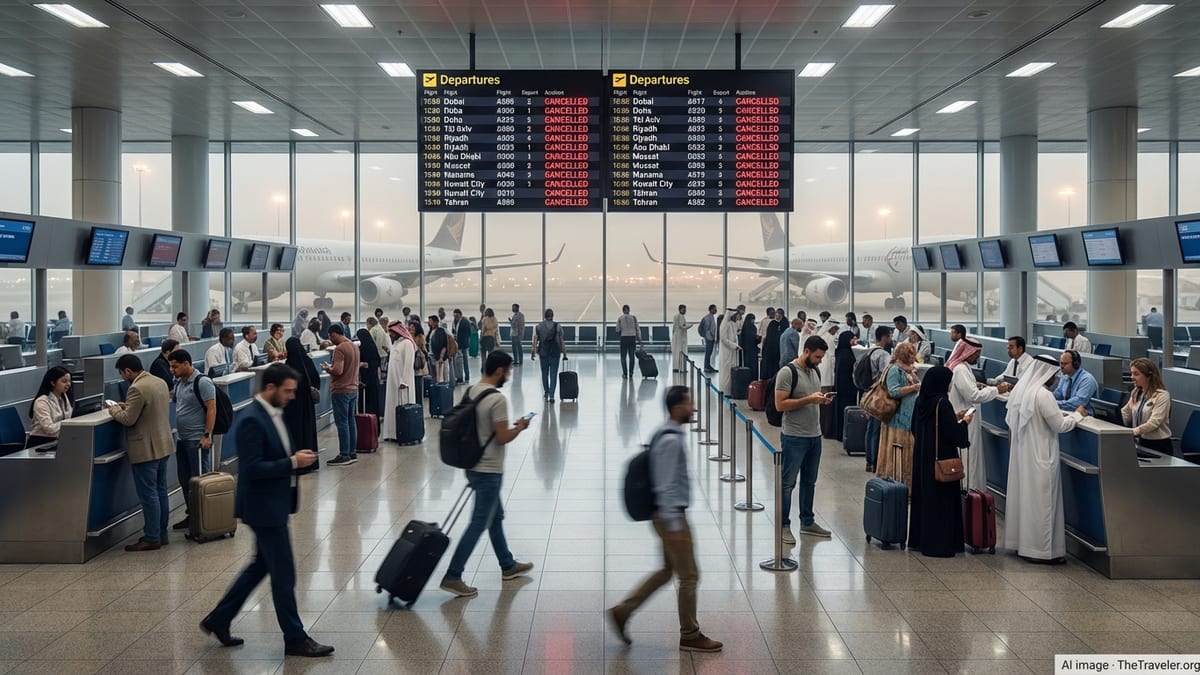
New Wave of Disruptions Hits a Key South Florida Gateway
Fort Lauderdale-Hollywood International Airport, one of South Florida’s busiest hubs for low cost and leisure travel, experienced a fresh round of operational disruption on Tuesday, according to aviation tracking dashboards and industry news coverage. The figures indicated that more than a hundred flights departed or arrived behind schedule, with a smaller but still significant number scrubbed altogether.
The impact was concentrated among a cluster of mostly leisure focused and regional airlines. Spirit Airlines, which maintains a large presence at Fort Lauderdale, appeared among the most affected carriers, alongside Air Canada, Aztec Airways, Bahamasair and others serving Caribbean, Canadian and domestic routes. Reports indicate that the ripple effects extended throughout the day as delayed departures caused subsequent rotations to start late.
The disruption followed several days of strain across the wider United States air network, with recent coverage describing severe weather, air traffic management programs and airline resource constraints contributing to rolling delays at multiple hubs. Fort Lauderdale’s latest figures underscored how quickly local bottlenecks can form when national conditions are already tight.
Routes to Newark, Richmond and Baltimore Bear the Brunt
Routes connecting Fort Lauderdale with major East Coast airports were among those most affected. Aviation data and travel industry reporting pointed to disruptions on services linking South Florida with Newark Liberty International, Richmond International and Baltimore/Washington International, all important gateways for both leisure and visiting-friends-and-relatives traffic.
Newark, a key entry point for the New York metropolitan area, has seen elevated delays in recent national statistics, and additional holdups on Fort Lauderdale services compounded a difficult environment for travelers attempting to connect onward or return home. Some flights faced extended departure waits, while others were cancelled outright, requiring rebooking on later departures or different routings.
Services to Richmond and Baltimore, often used by price sensitive travelers and those connecting to smaller communities in the Mid Atlantic, were also caught up in the disruption. Even modest schedule changes on these routes can have outsized effects, given that frequencies are generally lower than on trunk routes such as Fort Lauderdale to New York or Atlanta.
Travel forums and social media posts from recent days have highlighted growing anxiety among passengers flying these corridors, with some sharing experiences of missed connections and long rebooking lines at Fort Lauderdale. The latest figures on delays and cancellations added new evidence to a pattern that has been building across multiple U.S. airports.
Spirit and Other Carriers Under Pressure at Fort Lauderdale Hub
Spirit Airlines, headquartered in the Fort Lauderdale area and historically one of the airport’s largest operators, has been appearing frequently in national delay tallies. Recent roundups of U.S. operations showed the carrier with several hundred delayed flights in a single day, even when outright cancellations remained relatively limited.
At Fort Lauderdale, the airline’s dense schedule of short haul flights means that even small disruptions can propagate quickly. A late arriving aircraft from one city can lead to a chain reaction of knock-on delays to multiple destinations, including Newark, Richmond and Baltimore. Publicly available tracking information suggests that some of the affected flights on April 1 fit this pattern of rolling schedule slippage.
Other carriers named in the latest Fort Lauderdale figures, including Air Canada, Aztec Airways and Bahamasair, generally operate fewer daily departures but remain critical for niche markets such as Canadian snowbird traffic and short haul Caribbean links. For these airlines, even a single cancellation can significantly reduce options on a given day, forcing passengers to accept long waits or complex re-routings through other hubs.
Historical airport statistics show that Fort Lauderdale has carried a heavy volume of Spirit and international leisure traffic in recent years, reinforcing its sensitivity to operational challenges at a handful of key airlines. When several of those carriers are affected at once, the cumulative strain on gates, crews and passenger handling can be substantial.
Wider U.S. Network Strains Amplify Local Disruptions
The Fort Lauderdale turmoil did not occur in isolation. Nationally, published aviation summaries for late March and early April pointed to thousands of delays and more than a hundred cancellations across multiple carriers and hubs, including Chicago, Los Angeles and other major cities. Weather variations, air traffic control programs and lingering staffing constraints have all been cited as factors in recent coverage.
In this context, Fort Lauderdale’s 133 delays and 10 cancellations fit into a broader story of an air travel system operating close to its limits during busy spring travel days. When upstream flights arrive late from congested hubs, downstream departures from airports such as Fort Lauderdale are more likely to miss their scheduled slots, particularly on tightly timed turnarounds favored by low cost carriers.
Industry analyses have long noted that airports serving high volumes of leisure and connecting traffic, such as Fort Lauderdale, can be especially vulnerable to these cascading effects. Delays on a relatively small number of aircraft types or crew pairings can strand hundreds of passengers across multiple cities in a matter of hours.
Recent commentary has also highlighted growing passenger frustration with irregular operations that stretch over several days, rather than being contained to a single weather event or technical issue. For travelers who experienced previous disruptions in March, the latest problems at Fort Lauderdale may feel like the continuation of an already difficult season.
Passengers Confront Difficult Choices as Disruptions Persist
For passengers caught in Tuesday’s disruptions at Fort Lauderdale, the immediate questions centered on whether to wait out long delays, accept rebookings on later flights, or seek alternatives through Miami or other regional airports. Reports from recent travel disruptions suggest that some travelers have opted to purchase last minute tickets on competing carriers or to adjust itineraries to more reliable hubs, often at significant extra cost.
Consumer advocates regularly emphasize that options depend heavily on each airline’s specific policies and the cause of delay or cancellation. U.S. Department of Transportation guidance distinguishes between disruptions within an airline’s control, such as crew or maintenance issues, and those caused by weather or broader air traffic constraints, which can limit obligations to provide accommodations.
Publicly available airline dashboards and airport monitors remain the primary tools for passengers trying to make real time decisions. Travel industry coverage continues to recommend that passengers monitor their flight status closely on days when national delay counts are elevated, build additional buffer time for connections, and consider travel insurance or flexible fares where feasible.
As Fort Lauderdale and its airline partners work through the backlog from the latest wave of delays and cancellations, attention is already turning to the upcoming peak travel periods later in spring. Whether carriers can add enough resilience to avoid repeat scenarios on key routes to Newark, Richmond, Baltimore and other cities will be closely watched by travelers and industry observers alike.