

More news on this day
Travelers passing through Fort Lauderdale-Hollywood International Airport on Tuesday, March 31, 2026, are facing a fresh wave of disruption, with publicly available data indicating 133 flight delays and 10 cancellations affecting services operated by Spirit Airlines, Air Canada, Aztec Airways, Bahamasair and other carriers, disrupting links to major East Coast cities including Newark, Richmond and Baltimore.
Get the latest news straight to your inbox!
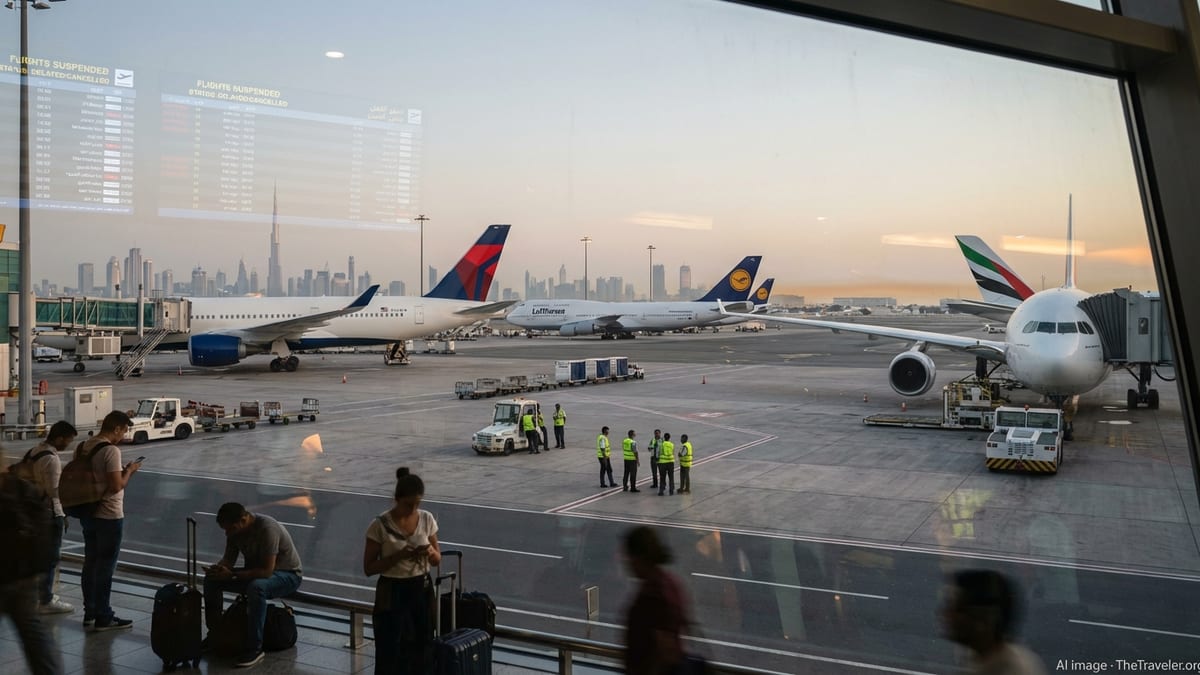
Web of Delays at a Major South Florida Hub
Operational data compiled for March 31 shows Fort Lauderdale-Hollywood International Airport grappling with triple-digit delays, adding new strain to one of the country’s busiest leisure gateways. Reports from airport and aviation tracking platforms indicate at least 133 delayed departures and arrivals and 10 cancellations across multiple airlines, with low-cost and regional operators bearing a significant share of the impact.
Spirit Airlines, which accounts for a large proportion of Fort Lauderdale’s passenger traffic, features prominently in the disruption metrics. Industry monitoring services highlight hundreds of delayed Spirit segments nationwide, with Fort Lauderdale among the most affected nodes, underscoring how issues at one hub can quickly cascade across a carrier’s network.
Published coverage focusing on the same operating day describes Fort Lauderdale as one of several U.S. airports experiencing elevated disruption levels, with factors ranging from weather to broader congestion in the national airspace system contributing to late-running services. The concentration of delays at a major low-cost hub is particularly challenging for travelers who rely on tight connections or same-day returns.
According to aviation data tables summarizing performance by airport, Fort Lauderdale is registering one of the higher delay counts in the country, placing South Florida firmly within a broader pattern of strain across the U.S. air travel network on Tuesday.
Spirit, Air Canada, Bahamasair and Niche Carriers Under Pressure
The disruption is spread across a mix of large and small operators. Spirit Airlines, Fort Lauderdale’s dominant ultra-low-cost carrier, is linked to a substantial share of delayed flights, both into and out of the airport. Tracking feeds show the carrier operating a dense schedule on key domestic and Caribbean routes, leaving little slack when operational challenges arise.
Air Canada, which uses Fort Lauderdale as a key gateway for sun-bound Canadian travelers, is also among the airlines registering delays and schedule changes. Passenger statistics released by Broward County in earlier reporting periods underline Air Canada’s role in funneling tens of thousands of international passengers through the airport, a scale that amplifies the impact of even modest disruptions.
Regional and niche operators, including Aztec Airways and Bahamasair, are additionally caught up in the day’s operational turbulence. Bahamasair’s short-haul links between Fort Lauderdale and the islands play a crucial role for family visits and business travel in the region, meaning delays can quickly upset tightly planned itineraries, ferry connections and resort check-ins.
Smaller carriers often operate with limited fleets and fewer backup aircraft, leaving them more exposed when storms, maintenance issues or upstream congestion interfere with planned rotations. As a result, a single delayed or cancelled leg can ripple through the rest of the day’s schedule for both the airline and its passengers.
Key Routes to Newark, Richmond and Baltimore Disrupted
Among the most affected services are routes linking Fort Lauderdale to major East Coast cities such as Newark, Richmond and Baltimore, which together form vital corridors for both leisure and visiting-friends-and-relatives traffic. Aviation analytics show these city pairs as core components of the schedules of low-cost and hybrid carriers serving Fort Lauderdale.
Newark connections are particularly important for travelers from the New York metropolitan area heading to South Florida beaches and cruise departures. Publicly available flight history for recent days highlights multiple late-running Spirit segments between Fort Lauderdale and Newark, with knock-on effects for travelers trying to align hotel check-in times and cruise embarkations.
Richmond and Baltimore routes, served by a mix of low-cost and network carriers, are also experiencing disruptions that fit into a broader picture of strain across the mid-Atlantic. Separate coverage in recent days has described extended security lines and operational headwinds at Baltimore/Washington International Airport and other nearby hubs, suggesting that congestion is not confined to South Florida.
For travelers in these markets, the combination of delays at origin airports and knock-on disruption at Fort Lauderdale translates into missed connections, shortened vacations and, in some cases, the need to rebook entirely different routings through alternate hubs such as Atlanta or Charlotte.
Part of a Wider National Day of Air Travel Strain
The problems at Fort Lauderdale on March 31 are unfolding against a backdrop of nationwide disruption. Industry-focused travel outlets describe the day as marked by widespread delays across multiple hubs, with several thousand flights behind schedule and more than one hundred cancellations recorded nationwide.
Data summaries for the U.S. system show that while major network carriers are keeping cancellation numbers relatively low, they are contending with high volumes of delayed flights. Regional partners and low-cost airlines appear to be absorbing an outsized share of the operational turbulence, contributing to localized logjams such as the one seen in Fort Lauderdale.
In some cases, the ripple effects stem from weather events and congestion far from South Florida. Reports on other airports, including Chicago, Boston and New Orleans, describe thunderstorms, regional flooding and air traffic flow restrictions that can disrupt aircraft rotations and crew scheduling, ultimately feeding into delay statistics at secondary hubs like Fort Lauderdale.
With Fort Lauderdale already operating near capacity during peak travel periods, even modest reductions in on-time performance upstream can translate into crowded gates, aircraft waiting for stands and passengers held on board as ground operations catch up.
What Travelers Can Expect and How They Are Coping
For passengers on March 31, the immediate reality is longer waits, uncertain departure times and, for some, cancellations requiring last-minute adjustments. Many travelers are being advised through airline channels and travel media coverage to monitor flight status closely, arrive early at the airport and build additional time into connections.
Consumer forums and social media posts in recent days reflect mounting frustration with repeated delays and schedule changes affecting short-haul routes. Travelers flying to and from Newark, in particular, report multiple instances of late notifications and rolling departure times, illustrating how quickly a one-hour delay can expand into a missed evening connection or lost hotel night.
Travel-information outlets emphasize that passengers whose flights are significantly delayed or cancelled may be eligible for rebooking assistance or, in some cases, compensation, depending on the cause of the disruption and the specific airline’s policies. However, the mix of weather-related and operational causes can make outcomes highly variable from one itinerary to the next.
With the spring travel season ramping up, the scale of disruption recorded at Fort Lauderdale on March 31 signals continued volatility for U.S. air travel. Passengers relying on Spirit, Air Canada, Bahamasair, Aztec Airways and other carriers at the airport may increasingly need to factor potential delays into their planning, especially when traveling on busy trunk routes such as those connecting South Florida with Newark, Richmond and Baltimore.