

More news on this day
Spring break crowds and tightly packed airline schedules converged at Fort Lauderdale Hollywood International Airport this week, with publicly available data indicating delays affecting 168 flights and rippling through an already strained U.S. air travel system.
Get the latest news straight to your inbox!
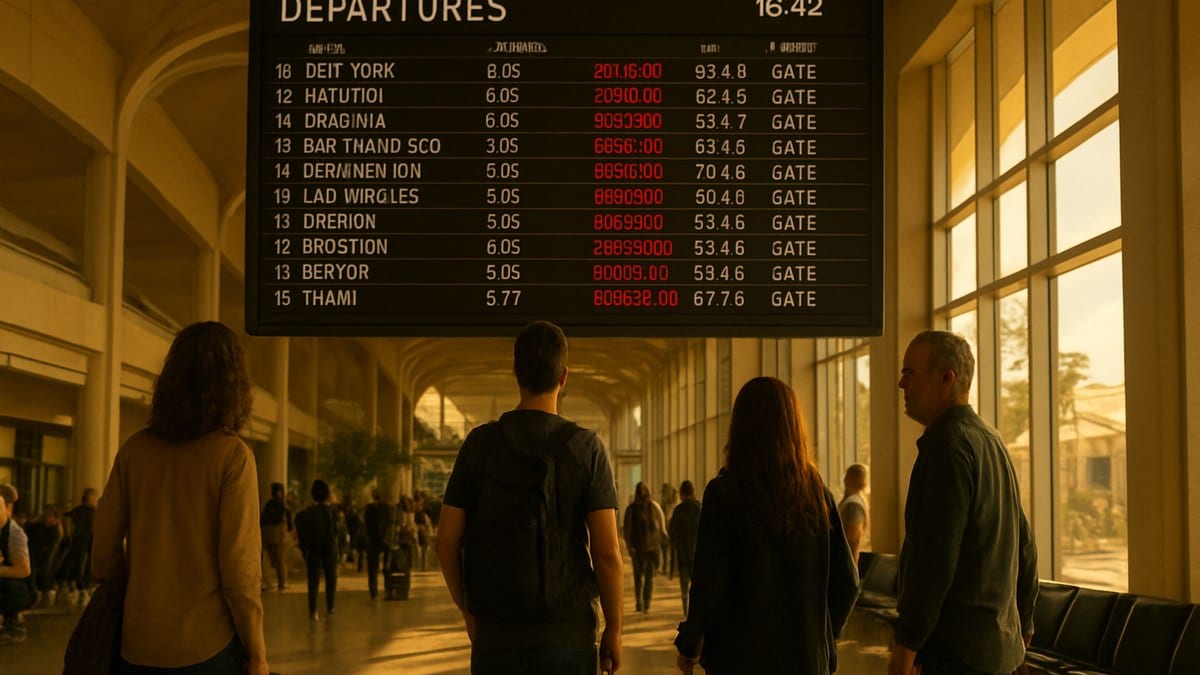
Spring Break Surge Collides With Tight Schedules
The disruption unfolded during one of the busiest spring travel windows of the year, when Fort Lauderdale serves as a major gateway for beachgoers, cruise passengers and visitors headed across Florida and the Caribbean. Transportation security and airport statistics for early to mid March show passenger volumes at or above pre pandemic levels, underscoring how little slack remains in the system when operations start to fray.
Flight tracking platforms and schedule data reviewed during the latest surge point to a sharp build up of late departures and arrivals as the day progressed, ultimately touching 168 flights linked to Fort Lauderdale. Many of the affected services were leisure oriented routes to and from Midwestern and Northeastern cities, where aircraft were already operating at high load factors because of school holidays.
Reports from aviation data providers suggest that a mix of localized weather, ground congestion and upstream delays at other hubs contributed to the backlog. Once early morning and midday flights began departing behind schedule, knock on effects spread into the afternoon and evening as aircraft and crews struggled to return to their planned rotations.
The episode fits a broader early spring pattern in the United States, in which multiple large airports have seen delay spikes as storms, runway work and staffing constraints coincide with peak demand. Recent weeks have brought similar waves of disruption at other major gateways, highlighting the vulnerability of the network when demand is both highly concentrated and near record highs.
How 168 Delays Rippled Across the Network
The 168 delayed flights linked to Fort Lauderdale did not exist in isolation. Real time tracking data shows that many of the late departures were operating as through flights or aircraft turns that connected into subsequent legs around the country. Once those services left South Florida behind schedule, the impacts began to cascade across airline networks.
On some routes, aircraft arriving late from Fort Lauderdale forced airlines to compress turnaround times or push back later departures in order to complete cleaning, fueling and boarding. In other cases, crews bumped up against duty time limits, triggering additional delays while replacements were sourced. Even when individual flights were only pushed by 30 to 45 minutes, the compound effect across dozens of trips was enough to clog gate space and slow ground handling.
Published coverage of recent U.S. travel disruptions indicates that these kinds of rolling delays can be more challenging to recover from than a single weather front or short lived ground stop. Airlines must juggle aircraft positioning, crew scheduling and slot availability, all while working to protect the most heavily booked routes and maintain connections for international services.
For travelers, the result in Fort Lauderdale was a familiar pattern of creeping departure boards, extended waits on the concourse and missed onward connections at downline hubs. Even passengers departing other cities felt the knock on effects when their inbound aircraft was scheduled to arrive from South Florida.
Traveler Impact During Peak Holiday Window
For many passengers, the timing of the disruption amplified its impact. Spring break trips are often compressed into a narrow band of dates, with families and students tied to fixed school calendars. When flights are delayed during that period, options to rebook can be limited, and fares for last minute alternatives are frequently elevated.
Social media posts and traveler anecdotes shared publicly during the latest Fort Lauderdale disruption describe long queues at customer service desks and crowded gate areas as passengers sought updates or standby seats. With most flights operating near capacity, same day rebooking opportunities were scarce on some routes, leaving travelers to accept significant schedule changes or overnight stays.
Consumer advocacy groups note that even relatively modest delays can have outsized consequences during high demand periods. Missed cruise departures, lost prepaid hotel nights and forfeited rental car bookings add to the financial and logistical strain when flights do not operate as originally planned. The concentration of visitors in resort destinations around Fort Lauderdale and South Florida increases the likelihood that any delay surge will be felt well beyond the airport perimeter.
Travel industry analysts also point out that repeated holiday period disruptions can erode traveler confidence and prompt more conservative planning. Some passengers may opt for earlier departures, longer layovers or alternative airports in an effort to build more buffer into their itineraries during peak season.
Fort Lauderdale’s Role in a Strained U.S. System
Fort Lauderdale Hollywood International has grown into one of the country’s busiest leisure focused hubs, serving a mix of low cost and full service carriers with extensive domestic and international networks. Airport traffic reports for recent months show sustained growth on key routes to the Northeast, Midwest and Latin America, reflecting the region’s continued appeal to both tourists and visiting friends and relatives.
As traffic has increased, publicly available operational data indicates that pressure on early morning and late evening departure banks has intensified. Security checkpoint volumes during the March spring break window have been substantial, and anecdotal accounts from travelers describe lines that can fluctuate from relatively light to heavily congested within short periods, depending on the time of day and terminal.
Nationally, transportation data and industry reporting emphasize that airport and airline operations are finely balanced in this phase of recovery. Many carriers are flying tighter schedules with high utilization of aircraft and crews, leaving limited room to absorb weather disruptions, air traffic control initiatives or ground handling slowdowns. In that context, an event affecting 168 flights at a single airport can serve as a stress test for broader system resilience.
Observers note that while Fort Lauderdale has made infrastructure upgrades in recent years, including terminal improvements and expanded security lanes, the pace of demand growth during holiday peaks continues to challenge both airlines and airport managers. The latest wave of delays underscores how quickly conditions can deteriorate when multiple pressure points align.
What Spring Break Flyers Can Do Next
With several weeks of spring travel still ahead, consumer guides and travel advisors recommend a series of practical steps for those flying through Fort Lauderdale and other busy hubs. Monitoring flight status early and often, building in extra time for connections and arriving well ahead of departure are consistently cited as key strategies to reduce the risk of serious disruption.
Passengers are also encouraged to familiarize themselves with airline policies on rebooking, meal vouchers and accommodations in the event of long delays or cancellations. Publicly available guidance from regulators and consumer organizations outlines circumstances in which travelers may be entitled to refunds or additional support, depending on the cause of the disruption and the carrier involved.
For those still planning spring or early summer trips, analysts suggest considering early day departures where possible, as morning flights statistically face fewer knock on delays from earlier segments. Choosing itineraries with slightly longer connection windows and avoiding tight self planned transfers between separate tickets can also provide additional protection when airports like Fort Lauderdale experience delay spikes.
While the latest episode of 168 delayed flights highlights ongoing strains in the aviation system, it also offers a reminder that individual preparation can help soften the impact when travel plans collide with operational turbulence.