

More news on this day
Thousands of passengers were left searching for answers at Fort Lauderdale-Hollywood International Airport on March 6 as a wave of more than 140 flight delays and at least five cancellations rippled through Spirit, JetBlue, Delta, Southwest and American Airlines schedules, disrupting connections to New York, Atlanta, Chicago, Dallas and other major US cities.
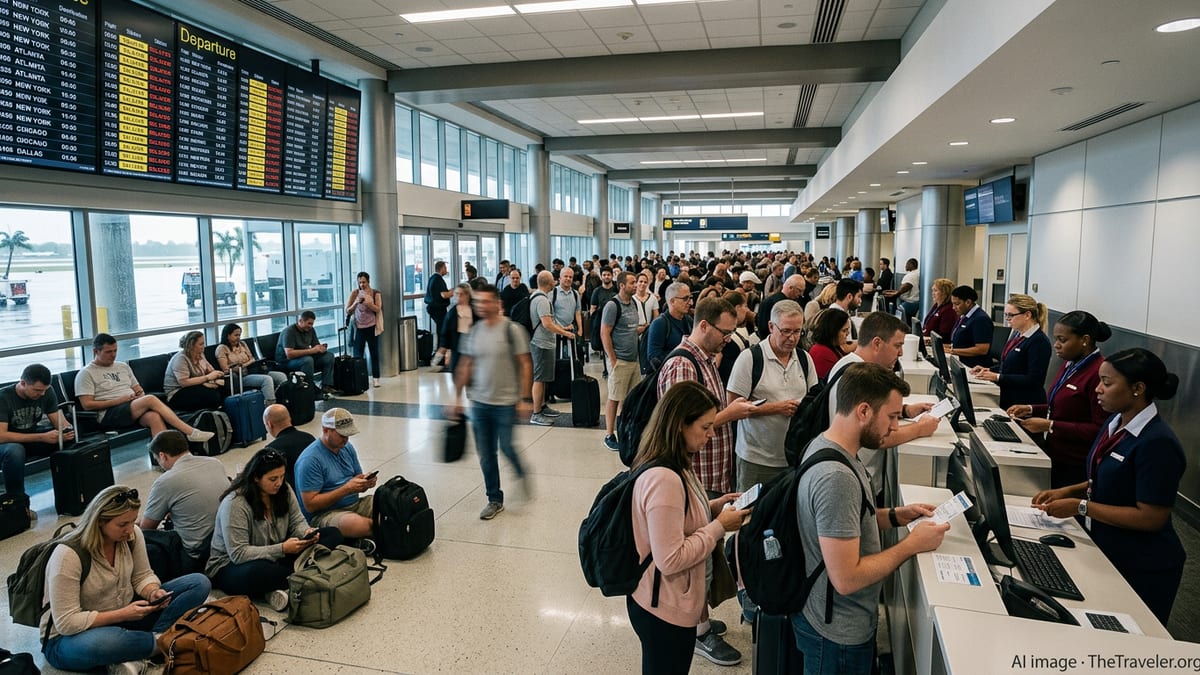
Long Lines and Frayed Tempers at Fort Lauderdale
By midmorning on Friday, departure boards across Fort Lauderdale-Hollywood International were lit up in yellow and red as rolling delays spread across concourses serving low cost and legacy carriers alike. Families bound for school-break trips, business travelers racing to make afternoon meetings and cruisers heading home after sailings all found themselves stalled in the terminal with limited information about when they might actually depart.
Gate areas quickly filled as passengers from earlier delayed flights overlapped with those arriving for later departures, forcing some travelers to sit on the floor or seek quieter corners near seldom-used gates. Food and beverage outlets reported surging lines, while airport staff urged passengers to remain near their gates in case aircraft and crews became available at short notice.
Several travelers reported receiving conflicting updates between airline apps and terminal displays, making it difficult to know whether to pursue rebooking options or wait out lengthy departure holds. For those with tight connections in Atlanta, New York or Dallas, even relatively short delays in Fort Lauderdale were enough to derail carefully planned itineraries.
Major US Hubs Feel the Knock-On Effect
The disruption at Fort Lauderdale hit some of the country’s busiest domestic corridors particularly hard. Routes to New York area airports, including LaGuardia and John F. Kennedy, as well as flights to Atlanta, Chicago and Dallas, experienced clusters of delays as aircraft and crew rotations fell out of sync. With Fort Lauderdale serving as a key Florida gateway for both leisure and visiting friends-and-relatives traffic, the impact spread quickly across airline networks.
Travelers heading to New York reported delays stretching beyond two hours on some services, complicating onward evening connections to secondary cities across the Northeast. In Atlanta and Chicago, arrival holds and late inbound flights forced airlines to tighten already congested afternoon banks, adding further pressure to busy hub operations and increasing the risk of missed connections.
Dallas-bound flights were also affected, with some aircraft departing Fort Lauderdale late and arriving into North Texas during peak afternoon traffic. That in turn squeezed available departure slots for onward flights across the central and western United States, underscoring how a relatively contained disruption at a single Florida airport can quickly become a nationwide scheduling challenge.
Airlines Juggle Staffing, Weather and Congested Skies
While there was no single clear-cut cause for Friday’s problems, airline representatives pointed to a familiar mix of factors: tight crew scheduling, aircraft positioned out of place after recent storms in other parts of the country, and air traffic control programs that slowed the rate at which flights could depart or arrive along the busy East Coast corridor.
Spirit and JetBlue, two of Fort Lauderdale’s largest carriers, faced particular scrutiny from stranded passengers who said they struggled to reach customer service agents in time to secure scarce alternative seats. Some travelers reported being offered rebookings a full day or more later, or being routed through multiple hubs such as Atlanta and Chicago to reach destinations that would ordinarily require a single nonstop flight.
Delta, Southwest and American Airlines also dealt with mounting operational complexity as late arriving aircraft from other regions triggered knock-on delays in South Florida. With little slack left in already lean schedules, even minor maintenance checks or crew rest requirements could push departure times back further, resulting in a handful of outright cancellations when recovery options ran out.
Stranded Travelers Scramble for Alternatives
As delays stretched into the afternoon, many passengers began actively searching for workarounds. Some attempted to book last minute seats out of nearby airports including Miami and Palm Beach, while others arranged one way rental cars to reach Orlando or Tampa in hopes of catching more reliable departures from those larger hubs.
For travelers facing time sensitive commitments in New York, Atlanta or Dallas, options narrowed quickly as same day flights sold out. A few opted to split groups, sending one family member ahead on a confirmed seat while the rest waited for standby opportunities. Others turned to intercity buses and overnight trains to close the last leg of their journey once they reached a major hub.
Hotel desks inside and around the airport began filling as airlines issued limited numbers of vouchers for passengers whose trips extended overnight. With nearby accommodation inventory already tight during peak travel season, some travelers reported being directed to hotels more than 20 miles from the airport or being advised to book rooms themselves and seek reimbursement later.
What Passengers Can Do as Disruptions Continue
With weather patterns across the country still unsettled after a stormy late winter and airlines operating on tight staffing margins, aviation analysts warn that days like Friday may become more common as the spring travel season ramps up. Fort Lauderdale’s heavy reliance on a small group of carriers for connections to major hubs means that any operational strain on those airlines can quickly cascade into widespread disruption.
Passengers scheduled to fly from Fort Lauderdale in the coming days are being urged to monitor their flight status frequently, use airline mobile apps to adjust itineraries at the first sign of trouble, and consider building in longer connection windows in Atlanta, Chicago, New York and Dallas. Travelers with fully flexible tickets may also benefit from shifting to earlier departures in the day, when airlines usually have more options to recover from unexpected delays.
For now, operations at Fort Lauderdale-Hollywood International are slowly recovering, but Friday’s disruptions served as a pointed reminder of how quickly a modern airline network can seize up. For thousands of travelers left waiting at the gate, the experience was another test of patience in an era when on time departures can no longer be taken for granted.