

More news on this day
Air travel to and from France faced fresh disruption today as more than 15 flights were cancelled across major airports, affecting services operated by SAS, Lufthansa, Air France, Pegasus and other carriers on routes linking Paris with Oslo, Istanbul, Berlin, Copenhagen, Munich, Florence, Bahrain and additional destinations.
Get the latest news straight to your inbox!
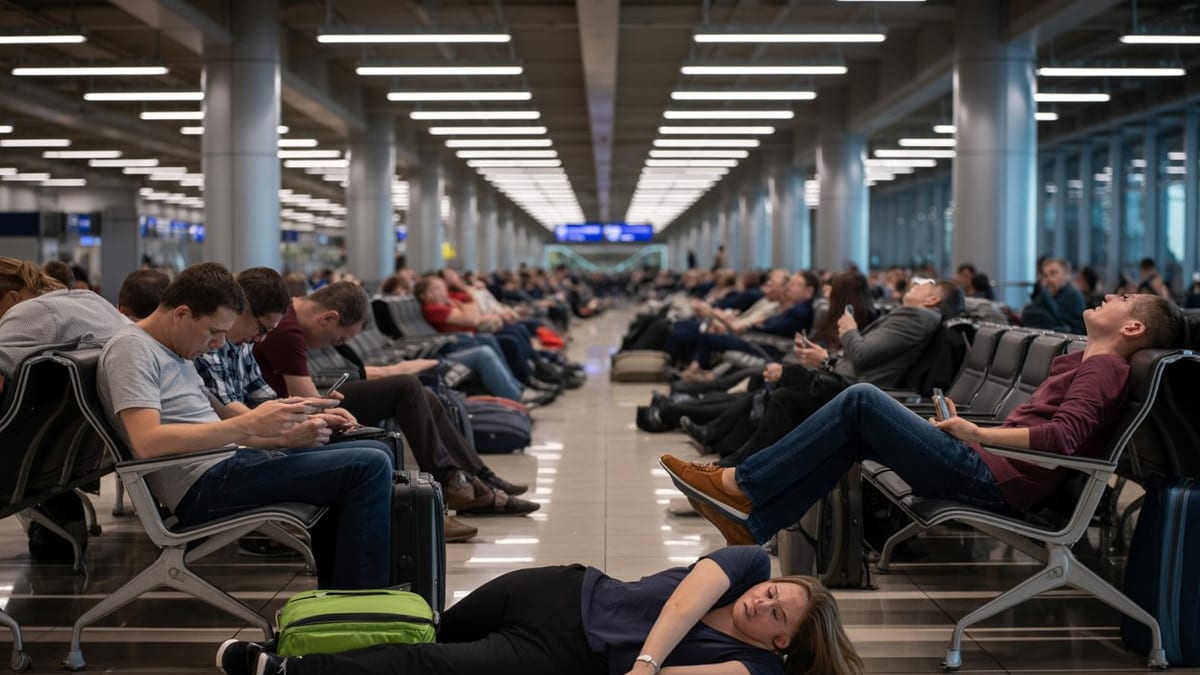
Image by Travel And Tour World
Patchwork Cancellations Across French Hubs
Publicly available airport and flight-tracking data for today indicate a patchwork of cancellations at Paris Charles de Gaulle and Paris Orly, with additional disruption reported at regional airports. While the overall number of affected flights is modest compared with major storms or mass strikes, the cancellations are concentrated on busy intra-European and connecting routes, magnifying the impact for long-haul passengers.
Among the airlines most visibly affected are Scandinavian carrier SAS on services to and from Oslo and Copenhagen, Lufthansa on links to Berlin and Munich, Air France on several European rotations, and Turkish low-cost operator Pegasus on services connecting France with Istanbul and beyond. Other European and Gulf carriers appear in the cancellation lists as well, including flights touching hubs used for connections to Florence and Bahrain.
Operational reasons cited in publicly accessible schedules range from aircraft rotation issues and congestion at key hubs to flow-management restrictions in French and neighboring airspace. Some cancellations appear to be knock-on effects from earlier delays and disruptions in recent days elsewhere in Europe, underscoring how tightly interconnected airline networks remain.
Passengers arriving at French airports today are encountering a mixed picture: some terminals are operating close to normal, while others show clusters of cancellations on departure boards around certain departure banks, particularly for northern and central European destinations.
Routes Most Affected: From Scandinavia to the Gulf
The disruption is particularly noticeable on links between France and northern Europe. Flights on the Paris to Oslo route, traditionally a key business and leisure connection operated by both SAS and Air France or codeshare partners, show several cancellations and schedule changes. Similar issues are visible on services between France and Copenhagen, affecting travelers transiting through Denmark to wider Scandinavia.
In Germany, Berlin and Munich stand out in today’s data as destinations with multiple cancelled or heavily delayed services related to France. These routes are typically important feeders for transatlantic and intra-European traffic, meaning a single cancelled flight can strand passengers who were relying on tight onward connections.
Further south, flights between France and Florence appear in the cancellation tallies, complicating travel plans for visitors heading to Italy at the start of the spring tourism period. On services involving Istanbul, Pegasus and other carriers show schedule disruptions that can ripple onward into connections across Turkey and neighboring regions.
Connections to the Gulf are also affected. Flights linking French airports with Bahrain and other Middle Eastern hubs feature in the list of cancellations and extended delays, reducing options for travelers continuing to destinations in Asia and Africa. Some long-haul passengers are being re-routed via alternative hubs in Europe or the Gulf, typically at the cost of significantly longer travel times.
What Is Behind Today’s French Flight Disruptions
Unlike highly publicized national strikes or single-cause shutdowns, today’s pattern in France appears to stem from a combination of factors rather than a single headline event. Recent industrial actions by aviation and public-sector workers in parts of Europe have already left airline schedules fragile, with crews and aircraft sometimes out of position, and this fragility can translate into last-minute cancellations when minor issues arise.
Capacity management in French and adjacent airspace also continues to be closely regulated due to wider security and geopolitical considerations that have reshaped some long-haul routings over Europe and the Middle East this year. When flows are restricted, short-haul services such as those between France and Oslo, Berlin, Munich or Florence can be among the first to be trimmed or consolidated.
Weather has not been identified as the primary trigger for today’s French cancellations, but recent late-winter storms elsewhere in Europe have created lingering knock-on effects in aircraft and crew rotations. Publicly accessible airline advisories in recent weeks have highlighted the possibility of short-notice adjustments, advising passengers to verify their flight status before heading to the airport.
In addition, published information on ongoing schedule adjustments by some European carriers shows that airlines are still refining their late winter and early spring timetables, which can result in last-minute cancellations when demand does not match planned capacity or when operational resilience is judged insufficient on particular rotations.
What Impacted Passengers Can Expect
Travelers affected by today’s cancellations in France are typically being offered rebooking on the next available flight on the same route or, when that is not feasible, on alternative routings via other European hubs. For destinations with multiple daily frequencies, such as Oslo, Berlin, Munich or Copenhagen, many passengers can be re-accommodated the same day, though often with extended layovers.
On thinner routes with fewer daily services, including some links to Florence or Bahrain, rebooking options may involve overnight stays or travel via a different hub, sometimes including additional connections. Airlines generally prioritize passengers with onward long-haul itineraries, as missed intercontinental connections are particularly disruptive and costly.
Under European air passenger rights rules, travelers whose flights are cancelled at short notice may be entitled to care such as meals and accommodation, and in some circumstances to financial compensation, depending on the cause of the disruption and the notice given. Publicly available guidance stresses that extraordinary circumstances such as severe weather, security alerts or third-party air traffic control restrictions can limit compensation rights, but do not remove the obligation to provide basic assistance.
Passengers are being encouraged by airline and airport advisories to keep boarding passes, booking confirmations and any receipts for additional expenses. These documents are often required when submitting formal claims for refunds or compensation after the disruption has been resolved.
How Travelers Can Navigate Ongoing Volatility
Today’s events in France highlight how quickly conditions can change for air travelers, even on relatively short-haul European routes. Industry reports over recent months point to a wider pattern of operational volatility, with airlines and airports still balancing high demand against staffing limitations, airspace constraints and evolving security considerations.
Travel specialists commonly recommend that passengers flying to or through France build extra margin into their itineraries, especially if they are relying on same-day connections to long-haul flights. Longer layovers and flexible tickets can provide a buffer when individual segments such as Paris to Oslo, Berlin to Paris or Paris to Istanbul are cancelled or delayed at short notice.
Publicly available travel advisories also emphasize the importance of monitoring flight status through airline apps and airport information screens in the 24 hours before departure. Same-day notifications are increasingly used by carriers such as SAS, Lufthansa, Air France and Pegasus to alert travelers to cancellations, gate changes or alternative options.
With the peak spring and summer travel seasons approaching, today’s cancellations in France serve as a reminder that even a relatively small number of disrupted flights can have outsized effects when they strike key connecting routes. Travelers planning journeys through Paris or other French airports in the coming weeks may wish to check for recent patterns of delays and cancellations on their chosen routes and adjust their plans accordingly.