

More news on this day
France is moving to rein in surging visitor numbers with tighter controls on cruise ships and new tourism levies, joining destinations from Italy and Spain to the Netherlands, Croatia, Greece and Japan that are rolling out higher fees and stricter rules in a bid to curb overtourism.
Get the latest news straight to your inbox!
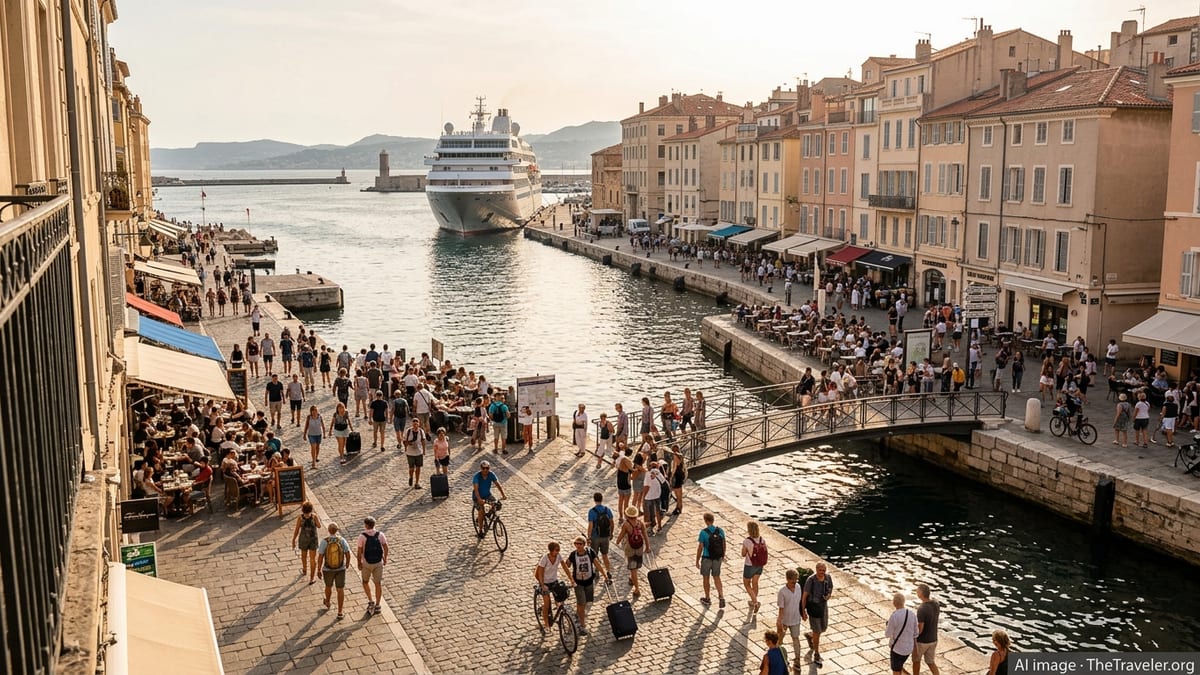
France Targets Cruise Volume and Tourist Pressure
French port cities on the Mediterranean are sharpening their approach to mass tourism as cruise arrivals rebound. Publicly available documents from Marseille’s tourism office show steady growth in cruise traffic and associated spending, alongside the expansion of local tourist tax schemes on paid overnight stays. Local debates in Marseille and other ports now focus less on attracting ships at any cost and more on how many visitors infrastructure and residents can realistically absorb on peak summer days.
In practice, this shift is translating into closer scrutiny of cruise itineraries, higher local taxes that feed municipal budgets and environmental programs, and discussions about limiting the largest vessels in historic urban harbors. Ports and city governments are also leaning more heavily on differentiated charges for day visitors versus overnight guests, reflecting concerns that cruise passengers and short-stay tourists contribute disproportionately to congestion while spending less per capita than longer-term visitors.
France’s national authorities have signaled that coastal regions are expected to align with wider European efforts to make tourism more sustainable, both environmentally and socially. That includes using local taxation, harbor dues and time-bound restrictions on vessel calls as tools to push operators toward cleaner ships, shore-power use and more spread-out arrivals.
Europe’s Tourist Hotspots Raise Fees and Tighten Cruise Rules
Across Europe, some of the continent’s most visited cities are deploying new levies and regulations as visitor numbers surpass pre-pandemic records. In the Netherlands, Amsterdam has combined one of Europe’s highest tourist accommodation taxes with a dedicated day tax on sea and river cruise passengers who call without staying overnight. Port information shows a per-passenger daily charge collected on the city’s behalf, on top of harbor dues and standard port fees.
Amsterdam has also moved to cap annual cruise calls and shift terminal operations away from its historic center. Policy documents and local coverage describe a long-term plan that limits ship visits, encourages cleaner propulsion and shore power connections, and integrates cruise management into a broader strategy to curb overtourism and rebalance the city’s economy toward residents rather than short-stay visitors.
Italy and Spain, meanwhile, are layering higher local taxes onto broader clampdowns on holiday rentals and day-tripper flows. Venice has introduced an entry fee on peak days for many day visitors, complementing an existing hotel tax system and earlier restrictions on the largest cruise ships entering the lagoon. In Barcelona and other Spanish coastal cities, reports highlight higher municipal tourist taxes and specific surcharges for cruise passengers staying only a few hours, introduced alongside planned limits on short-term rentals after widespread protests over housing costs and crowding.
Croatia and Greece have followed similar paths, with coastal cities tightening rules on cruise schedules and expanding environmental or tourist levies directed at infrastructure, waste management and cultural preservation. While the levels and structures of these fees vary widely, the shared message from local authorities is that mass tourism must now contribute more directly to the costs it imposes on public spaces and services.
Japan Expands Departure and Hotel Taxes to Curb Crowds
Japan, which has seen record-breaking visitor numbers since reopening its borders, is increasingly using taxes and fees as tools to manage demand. Government discussions covered by national media outline plans to significantly raise the country’s international departure tax, potentially tripling the current charge on outbound passengers. Officials describe the measure as a way to secure funding for tourism-related infrastructure and crowd-control efforts as visitor numbers continue climbing.
At the city level, Kyoto has emerged as a prominent example of a destination turning to high-end hotel levies to contain pressure on fragile cultural sites. Reporting from Japanese and international outlets details an approved plan for a sharply higher accommodation tax on luxury stays from 2026, creating the country’s highest flat-rate lodging charge. The move follows years of complaints from residents about congestion in narrow streets, crowded temples and strain on local services.
Other major Japanese cities, including Tokyo and Osaka, already impose per-night accommodation taxes, while some local governments have taken non-fiscal steps such as closing off certain viewpoints, restricting public drinking hours or discouraging particular events that draw unruly crowds. Together, these measures signal a policy turn toward prioritizing quality of visitation and resident well-being over unrestrained growth in arrival numbers.
From Island Escapes to Cultural Capitals, New Levies Spread
The turn toward tourism taxation and stricter controls is not limited to Europe and Japan. Island destinations and coastal regions around the world are introducing similar fees, often framed as tools to finance environmental protection. In the Pacific, Hawai‘i has approved legislation raising its statewide lodging tax and establishing a new levy on cruise ship bills, with revenue earmarked for shoreline protection, wildfire mitigation and other climate-related projects. The change comes as the islands grapple with both overtourism and climate impacts on their most iconic beaches.
In Southeast Asia, Bali has implemented a per-visitor tourism contribution on international arrivals, directing funds to cultural and environmental programs. Local authorities present the fee as part of a broader push to pivot away from volume-driven tourism toward models that place more value on cultural respect and ecological protection. Similar debates are unfolding in other Asian and Pacific destinations that have grown reliant on mass tourism but face mounting pressure on ecosystems and cultural sites.
European regions outside the big capitals are also tightening their rules. Coastal and island authorities in Spain’s Balearic and Canary archipelagos have raised tourist taxes and discussed caps on new accommodation licenses, while smaller Adriatic and Aegean ports review cruise schedules and berthing priorities. The trend suggests that even mid-size destinations now see targeted levies and stricter permitting as necessary tools to keep visitor numbers in check.
What Travelers Can Expect as Overtourism Policies Mature
For travelers, the growing patchwork of fees and regulations means that advertised prices and itineraries may no longer reflect the full cost or conditions of a trip. Additional city-entry fees for day visitors, per-night municipal taxes on accommodation and separate levies on cruise calls are increasingly visible as line items in booking confirmations, invoices or onboard statements. In some cities, these charges vary by season, neighborhood or accommodation type, with higher rates at central or luxury properties.
Regulatory changes can also affect access to popular areas and experiences. Cruise passengers may find that some ports limit the size or number of ships on a given day, require staggered disembarkation, or relocate terminals farther from historic centers. Land-based visitors might encounter timed-entry systems at popular attractions, restrictions on large tour groups or rules on behavior and dress in sensitive cultural or religious sites.
Industry analysts note that many destinations are seeking a delicate balance. Tourism remains a vital economic engine and source of employment, yet elected bodies are under pressure to respond to residents’ concerns about noise, housing, congestion and environmental degradation. Levies and regulatory tools are therefore being designed not only to raise revenue, but also to influence behavior by nudging trips toward off-peak seasons, longer stays and more responsible forms of travel.
As France joins Italy, Spain, the Netherlands, Croatia, Greece, Japan and others in tightening their frameworks, travelers can expect more transparency around what their visit costs local communities. The emerging model favors fewer but higher-value visitors, with clear financial contributions channeled into infrastructure, conservation and quality-of-life measures. For many of the world’s busiest destinations, this marks a decisive move away from pursuing maximum headcounts toward a more managed, and potentially more sustainable, tourism future.