

More news on this day
France is moving to rein in booming visitor numbers with higher tourist taxes and stricter cruise controls, aligning itself with a growing list of destinations from Italy and Spain to Japan that are imposing new fees, caps and regulations to tackle overtourism in their most popular hotspots.
Get the latest news straight to your inbox!
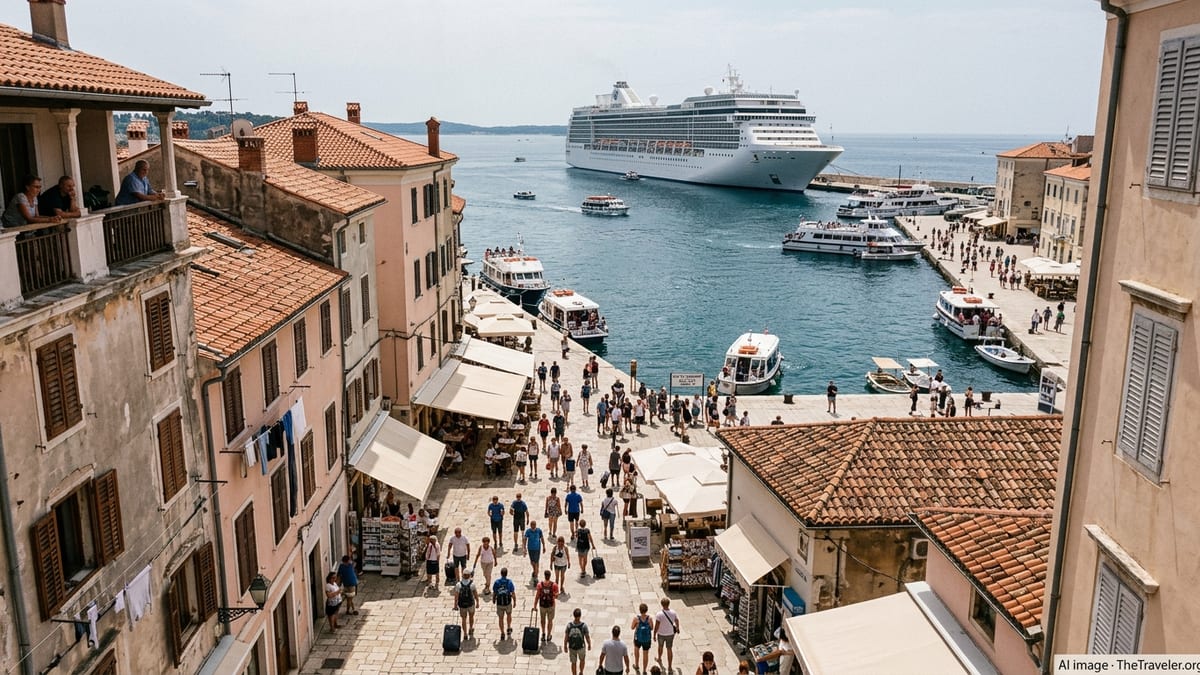
France Tightens the Screws on Mass Tourism
Publicly available information shows that France, the world’s most visited country, is shifting from promotion to management as tourism rebounds above pre-pandemic levels. Recent national measures have targeted short-term rentals and local lodging taxes, while coastal cities on the Mediterranean have begun to restrict large cruise ships and day-tripper flows in response to mounting pressure on housing, public space and air quality.
In Cannes, city councilors have voted to limit the size and number of cruise ships calling at the port, with a cap on daily passenger disembarkations and a planned cut in visits by the largest vessels over the next two years. Reports indicate that the policy is explicitly framed as a response to overtourism, with local leaders arguing that fewer, smaller and cleaner ships are preferable to the current model of high-volume day visits.
Beyond the Riviera, French authorities have tightened rules on furnished tourist rentals and raised mobility-linked surcharges on hotel stays in the Île de France region, adding several euros per person per night in Paris and its surroundings. According to French press coverage, cities in the Basque Country and Atlantic coast have also used new national powers to curb the growth of holiday lets, seeking to free up housing for residents as visitor numbers climb.
These steps place France alongside a wider European and global shift away from unregulated growth in tourism, especially in historic centers and coastal resorts where local frustration with crowding, noise, pollution and rising prices has become increasingly vocal.
Italy and Spain Lead with Day-Tripper Fees and Cruise Taxes
Italy has become a reference point in the debate over overtourism thanks to Venice’s experimental day-tripper charge. After years of discussion, the lagoon city introduced a paid entry scheme for non-overnight visitors, initially on selected peak days and then across a broader calendar. Recent coverage of the first full tourist season with the fee in place describes it as a trial designed to nudge visitors toward less busy dates while generating dedicated revenue to manage crowding and infrastructure.
The Venice measure sits alongside an earlier near-ban on large cruise ships entering the historic center, with most ocean-going vessels now diverted to terminals outside the fragile core. Together, these policies represent one of Europe’s most visible attempts to price and regulate short, high-impact visits that strain public spaces but contribute relatively little to local accommodation revenue.
Spain is deploying a more fragmented but increasingly assertive toolkit. Regional governments in the Balearic Islands and Catalonia have raised long-standing tourist levies on hotel stays, with higher rates in peak season and premium properties. Specialist travel reporting notes steep increases in cruise-specific charges for passengers calling at Balearic ports, with some fees for short visits reported to have risen by around 200 percent compared with earlier schedules.
In Barcelona, local plans to end most short-term holiday rentals by the end of the decade sit alongside proposals to raise taxes on cruise passengers who spend less than 12 hours in the city, a group that local campaigners argue contributes to congestion without staying long enough to support the wider economy. Protests against mass tourism in Barcelona and other Spanish destinations in 2024 and 2025 have amplified calls for stricter limits, tougher fines for antisocial behavior and higher levies to offset the costs of visitor infrastructure.
Netherlands, Croatia and Greece Target Cruise Flows
The Netherlands has emerged as a high-profile case of cruise retrenchment. Amsterdam’s city council voted in 2024 to cut the number of sea cruise calls at its central Passenger Terminal from about 190 to 100 per year by 2026, paired with a plan to relocate the sea cruise terminal outside the historic core by 2035. Industry publications and Dutch media describe the move as part of a broader strategy to cap total visitor numbers, curb pollution and reduce pressure on the compact city center.
Amsterdam has already introduced higher tourist taxes and a long-running campaign to discourage certain types of party tourism, while regional port bylaws now include stricter environmental rules for cruise ships. Although provincial authorities have questioned aspects of the 2035 terminal plan, the overall direction points toward fewer ships in the city’s inner harbor and tighter oversight of the remainder.
Along the Adriatic, Croatia has combined national tourism promotion with localized restrictions in heavily visited heritage towns. Dubrovnik, which once saw multiple large ships docking simultaneously on peak summer days, has worked with cruise lines to stagger arrivals and cap daily passenger numbers. Municipal plans, highlighted in European tourism reports, aim to keep the most sensitive UNESCO-listed streets from becoming saturated during the busiest hours.
In Greece, island destinations such as Santorini and Mykonos have likewise moved to limit cruise calls on the busiest days and to diversify arrivals across the week. Greek press and regional tourism documents indicate that authorities are experimenting with stricter daily passenger caps, time-slot management and higher port and disembarkation fees during peak season, seeking to protect both local life and the visitor experience.
Japan and Other Destinations Turn to New Levies and Rules
Outside Europe, Japan has adopted a mix of modest national fees and stricter local controls as visitor numbers surge back to record levels. The country introduced a small national departure tax several years ago and, according to Japanese and international travel coverage, local authorities in hotspots such as Kyoto, Mount Fuji and parts of Hokkaido are now layering on additional rules and charges.
Recent reporting highlights proposals and pilot schemes around Mount Fuji that would introduce capped daily entries and substantially higher access fees for climbers using the most popular routes, framed as a way to tackle litter, crowding and safety concerns. In Kyoto, municipal rules restricting some types of short-term rentals and tour behavior in traditional districts have been strengthened, reflecting resident complaints over noise, blocked streets and inappropriate conduct in narrow alleys.
Other destinations, from coastal resort towns in Portugal to Alpine lakes in Switzerland and Italy, are experimenting with seasonal entry fees, parking levies and visitor caps at viewpoints or old towns. Many of these measures are still in trial phases, but taken together they mark a trend toward using targeted charges and reservations to shape demand.
In Asia-Pacific more broadly, port cities that have seen a sharp rebound in cruising are beginning to look at European examples for guidance. Industry analysis suggests that differentiated port fees, environmental surcharges and limits on same-day arrivals could become more common as authorities weigh economic benefits against local opposition to sudden cruise influxes.
From Welcome Signs to Management Plans
Across these varied cases, a common pattern is emerging: destinations that once competed mainly on volume are now designing tourism management plans centered on quality, environmental impact and resident well-being. Entry taxes, cruise caps, higher lodging levies and tougher rental regulations are being justified as tools to pay for public services and to steer visitor behavior rather than as simple revenue generators.
Critics in the travel industry warn that a patchwork of new fees and rules risks confusing visitors and pushing trips toward less-regulated areas. However, many local business associations and resident groups argue that the alternative is unsustainable, pointing to crowded streets, overloaded waste systems and housing shortages in old quarters of cities such as Paris, Barcelona, Amsterdam and Dubrovnik.
For travelers, the shift means that trip planning increasingly requires checking not only visas and entry rules but also local tourist levies, advance registration systems and codes of conduct. Non-refundable day-trip fees in Venice, higher cruise taxes in Spanish and Croatian ports, and stricter behavior rules on Greek and Japanese islands are all now part of the landscape for those seeking to visit some of the world’s most iconic destinations.
As France joins Italy, Spain, the Netherlands, Croatia, Greece, Japan and others in hardening their stance on mass tourism, the debate is moving from whether to act to how far to go. The coming seasons are likely to test how much additional cost and regulation visitors are willing to accept and how effectively these new measures can preserve the very places that draw tourists in the first place.