

More news on this day
Vietnam is transforming Earth Hour into a travel-stage spectacle, with a free open-air concert in central Ho Chi Minh City inviting visitors to experience local music, culture and climate awareness in a single night out.
Get the latest news straight to your inbox!
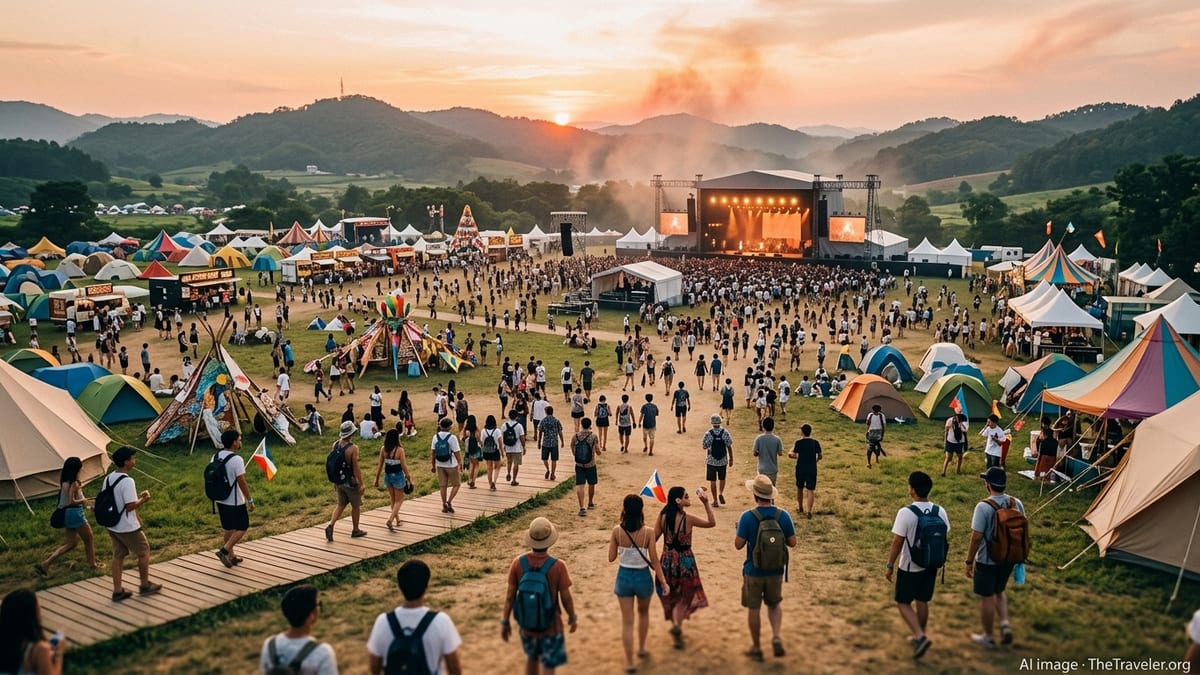
Earth Hour Takes Center Stage in Ho Chi Minh City
According to recent coverage from regional travel media, Ho Chi Minh City is using this year’s Earth Hour, held on March 28, 2026, as the backdrop for a large, free public concert aimed squarely at both residents and international tourists. Branded as a night where the city “comes alive,” the event combines live performances, light reductions and interactive activities across a central square and nearby streets.
The program is aligned with the global Earth Hour initiative, which encourages cities and citizens around the world to switch off non-essential lighting for one hour in a symbolic call for climate action. In Vietnam, public information indicates that Earth Hour has become a fixture on the late-March calendar, with major cities turning the lights down around landmarks while adding cultural activities that keep streets busy and visitor-friendly.
This year’s concert concept reflects a wider trend within Vietnam’s tourism strategy, which increasingly links big civic moments to visitor experiences. Ho Chi Minh City in particular has been expanding its calendar of free or low-cost public events, using music, sport and night-time festivals to entice travelers to stay longer and explore beyond daytime sightseeing routes.
Music, Light and a New Kind of City Nightlife
Reports describe the Earth Hour concert as a multi-act showcase, featuring young Vietnamese pop and indie performers alongside dance troupes and community arts groups. The staging is designed to make the most of the hour-long dimming period, with lighting effects that intentionally soften or pause in step with Earth Hour’s switch-off window before ramping back up for a finale.
For visitors, the format offers a curated snapshot of contemporary Vietnamese music, mixing radio-ready hits with more experimental sounds that rarely appear on conventional tourist itineraries. The event is free to enter, and organizers are steering travelers toward public spaces around the main stage, where large viewing areas and secondary screens allow crowds to spread out.
Publicly available information suggests that nearby streets are also being activated with buskers, street-food vendors and small pop-up art corners, turning the entire district into a walkable night precinct. For many travelers staying in District 1 hotels, the concert is within easy reach on foot or by short ride-hailing trips, making participation straightforward even for first-time visitors to the city.
Culture and Sustainability in One Package for Tourists
The Earth Hour concert is being promoted as more than an entertainment event, with Vietnam’s tourism stakeholders highlighting its educational and environmental components. Information points around the site focus on energy conservation, responsible travel and everyday climate actions, while interactive zones allow guests to participate in simple activities such as pedal-powered light installations or message boards about protecting natural destinations.
Travel publications note that this mix of culture and sustainability is increasingly important for the country’s brand. Vietnam has reported growing tourist arrivals in the first quarter of 2026, and destination managers are under pressure to balance economic gains with environmental stewardship, particularly in cities like Ho Chi Minh City where rapid growth has strained infrastructure and green space.
By tying a free blockbuster-style night out to a global environmental campaign, the city is signaling that entertainment events can also serve as soft platforms for climate messaging. Visitors who arrive for the music and atmosphere are exposed to local conversations about energy use, air quality and future-proofing one of Southeast Asia’s most dynamic urban centers.
Boost for Night-Time Economy and Urban Tourism
Vietnamese media and tourism analysis point to the Earth Hour concert as part of a broader push to develop night-time economic activity that feels safe, family-friendly and open to international guests. Ho Chi Minh City has been testing new night markets, extended opening hours along major boulevards and more frequent weekend cultural programs to diversify what travelers can do after dark.
Free events are a key component of that approach, lowering barriers for budget-conscious visitors and encouraging spontaneous participation from those who had not planned to attend any formal shows. Hotels and tour operators in central districts are incorporating the Earth Hour concert into suggested itineraries, presenting it as an anchor attraction around which guests can organize evening dining, riverfront walks or cafe-hopping.
Observers also note that high-profile nights like this help shift perceptions of Ho Chi Minh City from a purely business or transit hub into a cultural destination in its own right. When images of large, diverse crowds gathered for music under dimmed city lights circulate through regional travel media, they contribute to a refreshed image of Vietnam as a country where urban life and environmental awareness can share the same stage.
Practical Details for Visitors Planning to Attend
For travelers currently in Vietnam or arriving around late March, the free Earth Hour concert gives a clear focal point for weekend plans in Ho Chi Minh City. Public sources indicate that Earth Hour in 2026 falls between 8:30 p.m. and 9:30 p.m. local time, and the concert program is scheduled to span the surrounding evening hours so visitors can arrive early and leave gradually as crowds disperse.
Authorities have encouraged the use of public transport and walking to reach the area, anticipating heavier foot traffic and potential diversions on nearby roads. Travelers are advised to factor in additional time for security checks and crowd management measures at access points around the main performance zone.
Local tourism channels recommend that visitors combine the concert with a broader night-time stroll through key landmarks lit at lower levels for Earth Hour, including colonial-era buildings, modern towers and riverfront spaces that frame the city’s skyline. Many cafes and restaurants in the vicinity are expected to remain open, adapting their own lighting and promotions to match the environmental theme of the night.
As Vietnam continues to expand its portfolio of public cultural events, the free Earth Hour concert in Ho Chi Minh City offers a blueprint for how major global campaigns can be localized into memorable travel experiences. For tourists, it is a rare chance to join residents in a shared urban ritual that blends music, climate awareness and the unmistakable after-dark energy of one of Asia’s fastest-evolving cities.