

More news on this day
Hundreds of passengers were left sleeping in terminals and lining concourses at New York’s LaGuardia Airport as freezing showers swept across the northeastern United States and parts of Canada, triggering more than a hundred flight cancellations and several hundred delays for American, Delta, Southwest, Republic and other carriers on Monday.
Get the latest news straight to your inbox!
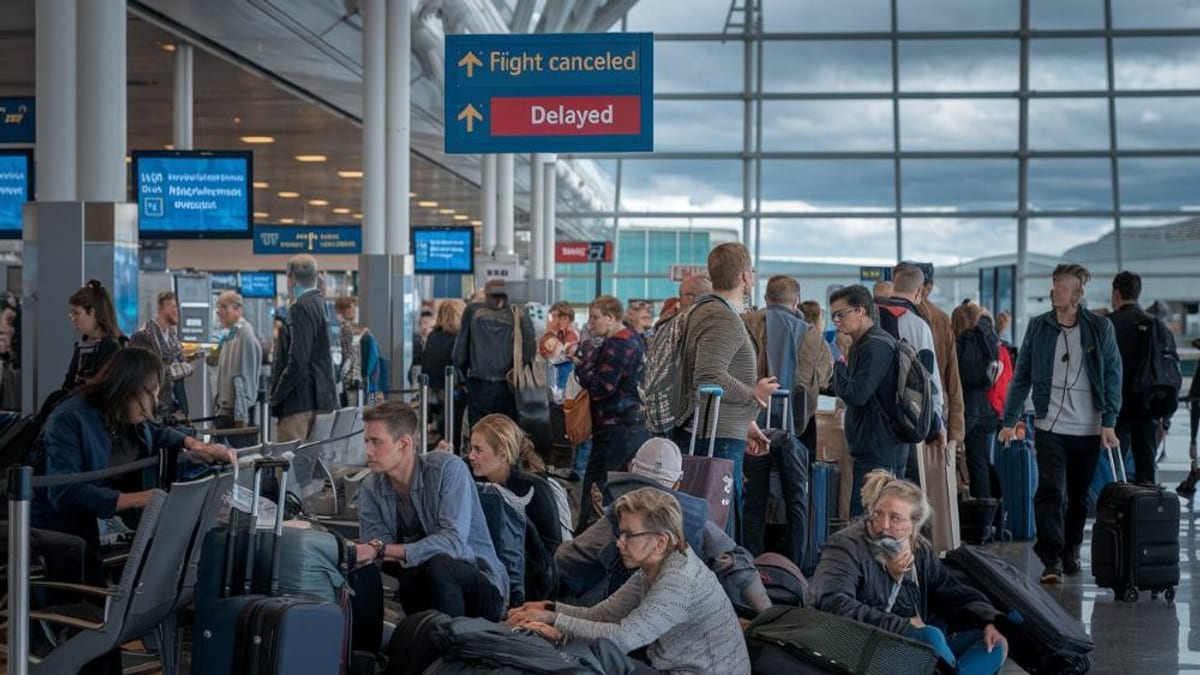
Image by Travel and Tour World – Tourism, Airline, Destination, MICE, Gobal Travel Market, Hotel news that you will find only over here.
LaGuardia Ground Operations Struggle in Icy Conditions
Publicly available flight-tracking data showed LaGuardia near the top of national disruption tables as a band of freezing showers moved through the New York area, creating rapidly changing conditions on runways and taxiways. A total of 129 cancellations and 523 delays were recorded across major airlines, with LaGuardia bearing a significant share of the impact as aircraft and crews fell out of position.
The combination of marginal temperatures, light freezing rain and lingering snow produced what aviation planners consider one of the most challenging scenarios for safe operations. Surface conditions at LaGuardia shifted between slush, ice and wet pavement, forcing repeated runway and ramp treatments and slowing the already constrained traffic flow typical of one of the country’s busiest urban airports.
As departures stacked up, gates quickly filled with aircraft waiting for deicing and release slots, limiting the airport’s ability to accept new arrivals. Travelers reported via social media that some aircraft were held at gates while others waited on taxiways for deicing queues to clear, contributing to rolling delays across the day.
Inside the terminals, long lines formed at service counters as passengers sought rebookings or overnight options. With nearby hotels filling, many travelers stayed in the concourses, with some carriers distributing basic snacks while customers waited for revised itineraries.
American, Delta, Southwest and Regionals Hit by Systemwide Ripple Effects
Operational data and airline status boards indicated that disruptions at LaGuardia cascaded through the networks of major U.S. carriers. American Airlines, Delta Air Lines and Southwest Airlines all posted clusters of cancellations and lengthy delays on flights into and out of New York, while regional operators such as Republic, which fly under major-brand banners, also saw schedules significantly thinned.
Once a critical hub like LaGuardia begins to slow, the effects quickly spread. Aircraft scheduled to operate multiple legs in a day are delayed leaving New York, which in turn delays subsequent flights out of Midwest or Canadian cities. Public tracking sites showed a growing number of “late arriving aircraft” as the cited cause for downstream delays at outstations as the day progressed.
Regional partners, which operate many of the shorter routes to and from LaGuardia, are particularly vulnerable during winter weather events. Their smaller aircraft are more sensitive to icing conditions and may face stricter performance limits on contaminated runways, leading to additional weight restrictions or cancellations on marginal days.
Airlines had already slimmed some schedules following early forecasts for freezing precipitation, but the intensity and persistence of the showers still exceeded capacity plans. As a result, carriers leaned on rolling cancellations and rebookings, prioritizing longer-haul and higher-demand routes where possible.
Chicago, Boston, Detroit and Toronto Also See Icy Disruptions
The freezing showers and associated winter weather were not limited to New York. According to widely available meteorological and aviation bulletins, a broad frontal system sweeping across the Great Lakes and Northeast brought a mix of sleet, freezing rain and wet snow to Chicago, Detroit, Boston and Toronto, creating parallel disruptions at those key hubs.
In Chicago and Detroit, the primary challenge came from intermittent ice and slushy runway conditions combined with gusty winds, which required periodic pauses in operations while snow and ice control teams treated surfaces. These pauses contributed to departure holds that rippled through the afternoon and evening departure banks.
Boston’s Logan International Airport and Toronto’s Pearson International Airport reported their own clusters of delays as freezing precipitation coated aircraft and ground equipment. Deicing bottlenecks added extra minutes to each departure, steadily reducing the number of flights that could operate per hour. With LaGuardia also constrained, connections through the Northeast became increasingly unreliable.
The shared weather pattern meant that many alternative routing options for stranded passengers were limited. Travelers hoping to rebook around New York by connecting through Chicago, Boston or Toronto frequently encountered similar or only slightly improved delay profiles, stretching travel times by many hours.
Passengers Face Long Waits and Limited Alternatives
For travelers at LaGuardia, the most immediate impact was the sheer uncertainty. Flight status boards cycled through delay estimates as carriers adjusted to revised weather updates and air traffic management initiatives, while some flights were ultimately canceled after passengers had already waited for hours at the gate.
Rebooking proved challenging on several routes, particularly for those headed to smaller markets that rely on limited daily frequencies. With aircraft and crews out of position across multiple hubs, available seats on later departures quickly filled, leaving some passengers with options extending into the following day or beyond.
Publicly available airline policies indicate that when weather is identified as the primary cause of a disruption, compensation such as hotel vouchers is often restricted. That left many travelers at LaGuardia and other affected airports seeking their own arrangements, with some posting images of crowded seating areas, improvised sleeping spaces and long queues at food outlets.
Airline customer-service channels, including phone lines and mobile apps, experienced heavy demand during the event. While some passengers reported success securing alternative routings and same-day standby, others described repeated attempts to reach agents as hold times climbed in step with the worsening operational picture.
What Travelers Can Expect as Operations Recover
Industry data from previous winter events suggests that the operational effects of a concentrated burst of cancellations and delays can last well beyond the end of the weather itself. Even once freezing showers ease and runway conditions improve, airlines must reposition aircraft and crews, clear maintenance backlogs and work through displaced passengers.
At LaGuardia, recovery is constrained by airspace limits and tightly packed schedules. Carriers typically rebuild by focusing first on core trunk routes and high-demand business markets, gradually restoring thinner regional services as equipment and crews become available. That process can take a full day or more after the last major weather impact.
Travelers scheduled to fly through LaGuardia, Chicago, Boston, Detroit or Toronto in the aftermath of the storm are likely to see lingering delays, gate changes and occasional rolling cancellations as operations normalize. Publicly available advisories from airlines emphasize the importance of monitoring flight status frequently, using mobile apps, text alerts and airport displays.
For those still attempting to depart from affected airports, industry groups and consumer advocates often recommend arriving early, traveling with essential medications and valuables in carry-on bags, and preparing for the possibility of extended waits. In an interconnected system where a few hours of freezing showers can strand hundreds of travelers and disrupt hundreds of flights, flexibility and patience remain essential parts of winter air travel in North America.