

More news on this day
Travel disruption across UK airports intensified today as British Airways, Gulf Air, Virgin Atlantic, SAS, Swiss, American Airlines and United Airlines cancelled more than 20 additional services, with fresh impacts on routes linking London and regional hubs to Bahrain, Doha, Delhi, New York, Chicago, Pittsburgh, Oslo, Zurich, Amsterdam and other key destinations.
Get the latest news straight to your inbox!
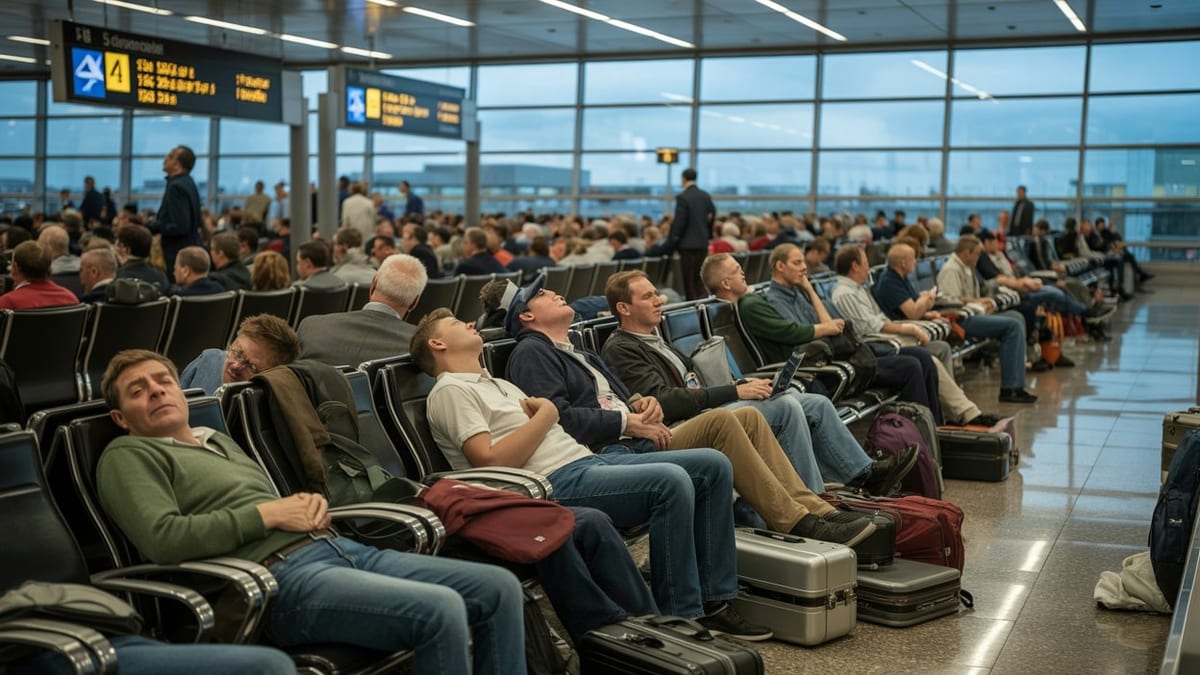
Image by Global Travel Alerts, Advisories, International Travel Alerts
Escalating Cancellations Hit Key Long Haul Routes
New cancellations reported at London Heathrow, London Gatwick and several regional UK airports are concentrated on long haul services to the Gulf, South Asia and North America. British Airways has already suspended most operations to Abu Dhabi, Amman, Bahrain, Doha, Dubai and Tel Aviv amid continuing airspace restrictions across parts of the Middle East, and schedule data indicates further short-notice cancellations layered on top of that reduced program.
According to publicly available aviation data and recent industry analyses, British Airways is operating a significantly trimmed long haul schedule from Heathrow, with particular strain on flights feeding its Middle East partners and connecting traffic for India. Passengers booked to or via Doha and Bahrain are seeing same-day cancellations and rebookings stretching several days ahead, leaving many itineraries to Delhi and other Indian cities disrupted.
Gulf Air services between the UK and Bahrain also remain affected. Operational updates and passenger accounts point to multiple Bahrain-bound flights being removed from departure boards or retimed with limited notice, as the carrier grapples with altered flight paths and airport constraints across the Gulf.
Virgin Atlantic, which has already adjusted services to the region in recent weeks, is now among the airlines cancelling additional departures from London to long haul leisure and business markets as knock-on effects from aircraft and crew rotations tighten available capacity.
North American Links Strained as United, American and Virgin Adjust
The latest wave of disruption is not confined to the Middle East. Transatlantic services have come under renewed pressure as United Airlines and American Airlines cancel more flights from UK hubs to the United States, including routes to New York and Chicago. Operational messages and airport departure boards show selected New York services from Heathrow and regional UK airports removed from schedules at short notice, adding to an already busy spring travel period.
United has also reduced frequencies on certain secondary US routes, with passengers on services to cities such as Pittsburgh facing last-minute rerouting onto alternative connections through major hubs. Publicly available information shows that some of these cancellations are driven by aircraft being repositioned away from conflict-affected routings and extended flight times around restricted airspace.
Virgin Atlantic, a major UK-US carrier, is managing similar pressures as it balances aircraft utilization on core routes like New York and Orlando with earlier suspensions and diversions in its wider network. While the airline is still operating the bulk of its transatlantic program, travellers are encountering isolated cancellations, especially on off-peak departures and flights that depend on aircraft coming in from disrupted sectors.
Industry observers note that many of the transatlantic cancellations announced over the past 24 hours appear to be secondary impacts of airspace and security decisions taken thousands of miles away, underscoring how tightly integrated global airline networks have become.
European Networks Disrupted as SAS and Swiss Trim Schedules
Within Europe, cancellations have also mounted as Scandinavian Airlines (SAS) and Swiss adjust schedules. Flights between the UK and key continental hubs including Oslo, Zurich and Amsterdam have been among those affected, according to live departure data from several major airports and carrier schedule updates.
SAS, which connects the UK to Scandinavian capitals and onward to a broad regional network, has pulled selected frequencies between London and Oslo, as well as some services touching other Nordic gateways. These cancellations reduce same-day connectivity for passengers attempting to reroute around blocked long haul flights via northern European hubs.
Swiss, part of the Lufthansa Group, has already been contending with earlier suspensions to destinations in the Middle East. The need to rotate aircraft and crews around those gaps is now spilling into short haul operations, with some Zurich services to and from UK airports cancelled or rescheduled. Travellers relying on Zurich as a connection point to South Asia and the Americas face tighter transfer windows and fewer backup options if their original flights are disrupted.
Amsterdam routes are seeing similar turbulence as airlines shuffle capacity. While Dutch carriers have issued separate advisories about altered routings around conflict zones, partner airlines from the UK are also cutting or retiming flights, creating an uneven pattern of options for travellers attempting to piece together alternative journeys at short notice.
Conflict, Airspace Closures and Operational Knock-On Effects
The latest cancellations extend a month of global aviation disruption stemming from the 2026 Iran conflict and related instability across parts of the Middle East. Publicly available reporting highlights widespread airspace closures affecting Iran, Iraq, Israel, Jordan, Qatar, Bahrain, Kuwait and parts of the United Arab Emirates, prompting thousands of daily flight cancellations and diversions as airlines steer around risk zones.
European and Asian carriers, including British Airways, Lufthansa Group airlines, Virgin Atlantic and others, have suspended or curtailed services to multiple Gulf destinations in response to heightened security concerns and sharply higher war-risk insurance premiums. Analysts note that many airlines have opted to suspend routes entirely rather than operate extended detours that would add substantial flight time, fuel costs and crew duty complexities.
For UK-based airlines, this has created a cascading effect across their global networks. Aircraft that would normally cycle through Middle Eastern and South Asian routes are now parked, redeployed or operating on altered patterns, which in turn limits resilience when technical issues or weather affect other parts of the schedule. The result is more frequent short-notice cancellations even on routes that are not directly exposed to conflict areas.
Passengers travelling between the UK and cities such as Delhi, New York, Chicago, Oslo, Zurich, Amsterdam and Bahrain are experiencing a higher risk of disruption as airlines continuously recut schedules in response to updated security assessments, airspace notices and operational constraints.
What UK Travellers Can Expect in the Coming Days
Available guidance from airlines and travel industry bodies suggests that UK travellers should brace for continued volatility in flight schedules over the coming days, particularly on services touching the Gulf, South Asia and transatlantic markets with tight aircraft rotations. Many carriers are issuing rolling updates, meaning further cancellations may appear only 24 to 48 hours before departure.
Published advice indicates that passengers whose flights are cancelled are being offered refunds or rebookings on later services where space permits, although heavily booked spring departures limit immediate alternatives. Some travellers are reporting rebooking windows stretching several days into the future on popular routes such as London to Delhi and London to key US hubs.
For those still planning to travel, aviation experts recommend monitoring airline apps and airport departure boards closely, allowing extended connection times, and considering flexible tickets where possible. With more than 20 new cancellations already recorded across British Airways, Gulf Air, Virgin Atlantic, SAS, Swiss, American Airlines and United Airlines in the latest wave alone, the broader pattern suggests that UK air travel to Bahrain, Doha, Delhi, New York, Chicago, Pittsburgh, Oslo, Zurich, Amsterdam and beyond is likely to remain fragile for some time.