

More news on this day
Air travel across Egypt and neighboring hubs is facing a fresh round of disruption as regional carriers including Royal Jordanian and Saudia cancel additional flights on key routes linking Cairo, Luxor, Hurghada, Sharm El Sheikh, Amman, Bahrain, and Dammam.
Get the latest news straight to your inbox!
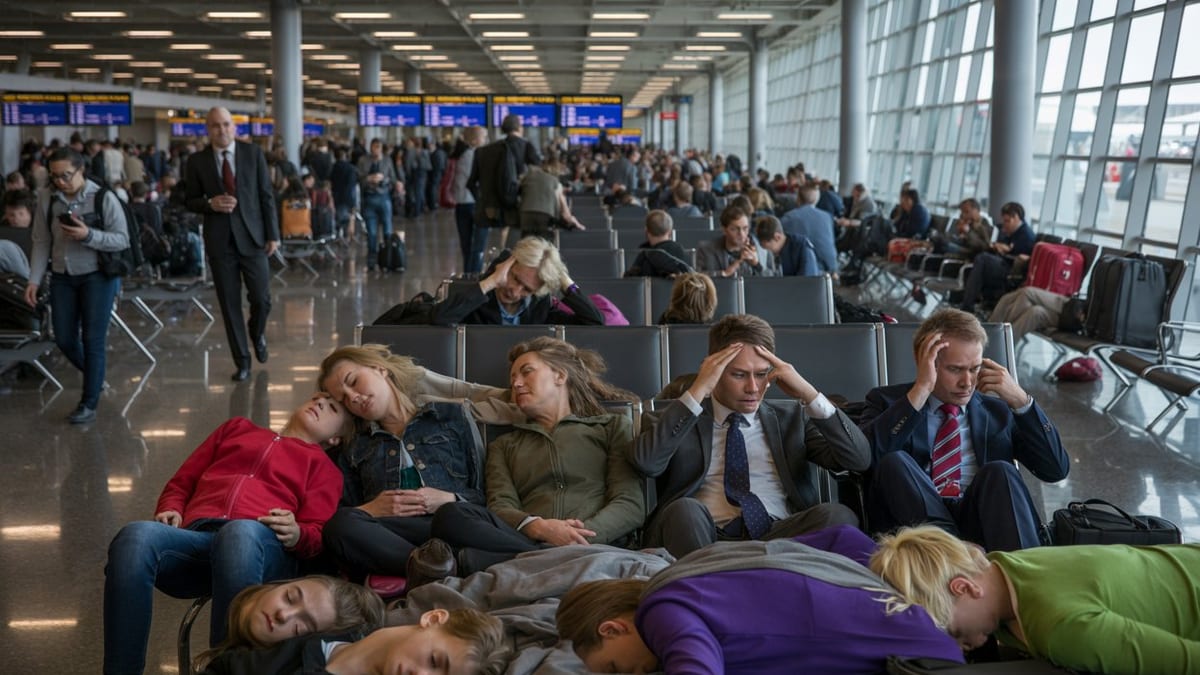
Image by Travel And Tour World
New Cancellations Add Pressure on Egypt’s Busy Airports
Published schedules and airport information screens for March 29 indicate that a dozen more regional services touching Egypt have been withdrawn or rerouted, compounding weeks of turbulence in Middle East aviation. The latest changes affect departures and arrivals at Cairo International Airport as well as major leisure gateways in Luxor, Hurghada, and Sharm El Sheikh.
Royal Jordanian has trimmed frequencies between Amman and Cairo and adjusted onward connections, while Saudia has cut or consolidated several services between Saudi hubs and Egyptian Red Sea resorts. Industry monitoring shows a particular squeeze on links to Bahrain and Dammam, where Gulf carriers are already operating on reduced timetables because of restricted airspace and operational constraints.
The pattern follows a broader shift in regional traffic that has pushed more flights into a narrow corridor over Egypt and Saudi Arabia as airlines avoid closed or heavily restricted skies further east. Analysts note that this has increased congestion on certain routes, leaving less slack in the system when weather or security concerns arise.
Regional Conflict and Airspace Closures Behind Route Instability
Recent escalation involving Iran and several Gulf states has led to partial or total closures of multiple national airspaces, forcing airlines to redraw flight paths between Europe, the Middle East, and Asia. Publicly available aviation analyses describe a concentrated band of permitted airspace stretching over Egypt, Saudi Arabia, and Oman, with many carriers rerouting long-haul services through this corridor.
This reconfigured network is having knock-on effects on shorter regional flights. When aircraft and crew are reassigned to maintain long-haul connectivity, secondary sectors such as Cairo to Bahrain or Hurghada to Gulf hubs can face last-minute cancellations or schedule downgrades. Published travel advisories also point to temporary airport disruptions and heightened security postures across the region, which further complicate rotations.
Amman and Bahrain have been particularly affected because of their roles as connective hubs between Europe, the Levant, and the Gulf. Temporary suspensions by some European and Gulf carriers into these cities have shifted more demand onto airlines still operating, including Royal Jordanian and Saudia, and have made their networks more vulnerable to cascading disruption when conditions change.
Weather Compounds Operational Challenges in Egypt
Egypt’s own operating environment has added another layer of uncertainty. In recent days, national media and airline alerts have highlighted bouts of unstable weather, including strong winds and heavy rain around Greater Cairo and the Suez Canal, as well as shifting maritime conditions along the Red Sea coast.
While Red Sea ports have reported a return to generally normal marine traffic, airlines serving coastal airports such as Hurghada and Sharm El Sheikh continue to factor in weather-related safety margins. This can mean extended spacing between arrivals and departures or, in some cases, the preemptive cancellation of lightly booked services so that aircraft and crews can be repositioned to more critical routes.
The combination of regional airspace tensions and localized weather has left Egypt’s aviation sector operating with less flexibility than usual. Carriers are increasingly using rolling schedule adjustments rather than long-range timetables, which is leading to frequent last-minute changes visible to passengers only a short time before departure.
Impact on Travelers Linking Egypt, Jordan, and the Gulf
For travelers, the most immediate effect of the latest cancellations is reduced choice and tighter capacity on popular routes. Seats between Cairo and Amman, for example, have become harder to secure at short notice as Royal Jordanian, EgyptAir, and other operators navigate shifting constraints. Similar pressures are evident on flights between Egypt’s tourist centers and Gulf cities such as Bahrain and Dammam, where some passengers are being rebooked via alternative hubs or asked to travel on different days.
Travel forums and airline communications describe a landscape in which delays of several hours and same-day cancellations are no longer unusual for itineraries transiting the region. Some journeys that once required a single short hop now involve overnight stops or multi-leg routings through secondary hubs, often at higher cost.
Despite the volatility, Egypt remains one of the more consistently served destinations in the eastern Mediterranean, with many European and Asian carriers continuing to operate into Cairo and the main resort airports. However, the new round of schedule cuts by regional airlines underscores how quickly conditions can shift, especially for passengers relying on connections through Amman, Bahrain, or Saudi Arabian hubs.
What Passengers Should Watch for in the Coming Days
Airlines are updating timetables frequently, and many have introduced flexible booking policies for travel across the Middle East through at least the end of March. Public travel waivers from global carriers reference Amman and several Gulf airports as affected points, allowing passengers to adjust dates or routings without standard change fees.
Travel experts advise checking bookings repeatedly in the 48 hours before departure and monitoring flight status right up to leaving for the airport. Because aircraft and crews are being moved rapidly to cover gaps, a flight that appears confirmed one day can shift in time or routing the next, especially on routes such as Cairo to Amman or Hurghada to Gulf hubs.
Passengers planning new trips that combine Egypt with Jordan, Saudi Arabia, or Bahrain are also being encouraged by widely circulated advisories to build in extra connection time and to consider booking longer layovers in major hubs. With the regional air corridor under sustained strain and weather still unsettled in parts of Egypt, further rolling cancellations and re-timings remain possible in the short term.