

More news on this day
Relocating abroad still promises a better life on paper, but recent surveys and expert reports suggest many expatriates first collide with a sobering reality of stress, culture shock and isolation before they find their footing.
Get the latest news straight to your inbox!
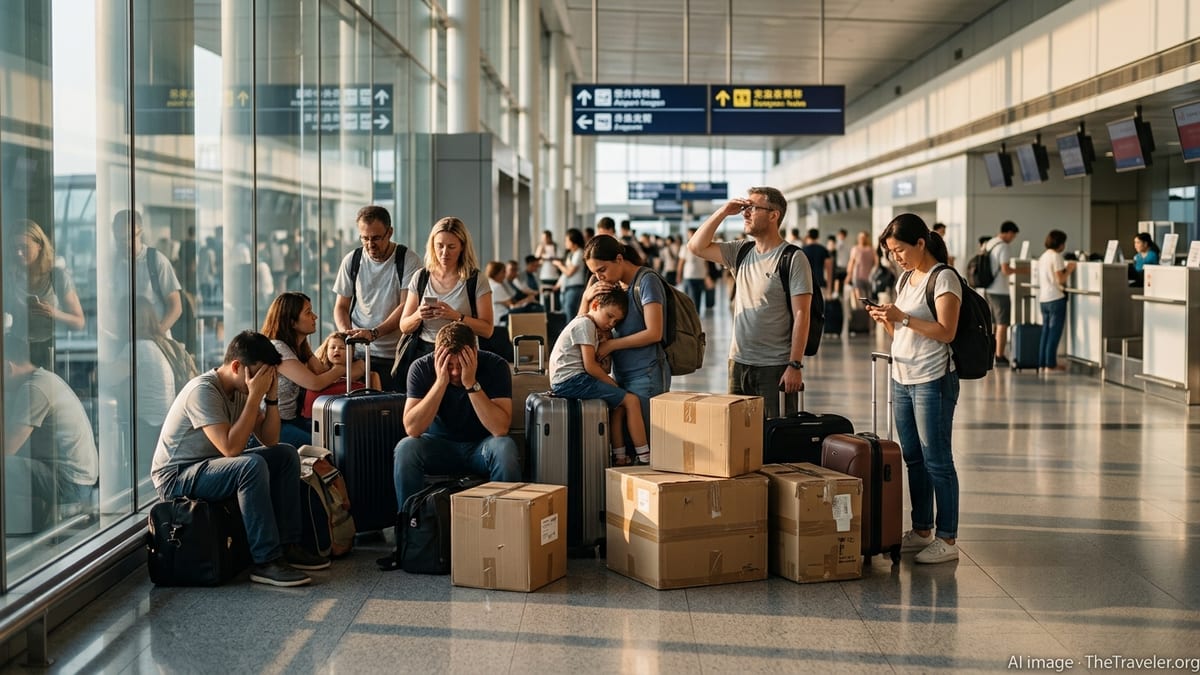
Expectations Collide With Everyday Stress
Global relocation has long been associated with higher salaries, better lifestyles and international careers, and recent banking and relocation surveys indicate that these motivations remain strong. Research from major financial institutions shows that many people move abroad in search of improved quality of life, lower living costs or enhanced career prospects, even as living expenses and housing pressures rise in many destinations. Yet these same studies highlight a persistent gap between pre-move expectations and the practical obstacles that await on arrival, from opening bank accounts to navigating local bureaucracy.
Survey data published over the past two years indicates that a significant share of new arrivals experience financial strain and logistical setbacks within their first months in a host country. Reports describe expats struggling with tasks such as setting up utilities, accessing credit, understanding local tax rules and dealing with unfamiliar payment systems. These frictions may seem minor compared with the prospect of a new life abroad, but they often combine with jet lag, temporary housing and job pressures to create an early sense of overwhelm.
The mismatch between glossy recruitment pitches and early daily life can be particularly acute in destinations marketed as high-earning hubs. Studies on popular expat locations note that while headline salaries and lifestyle scores may be attractive, newcomers frequently report that the path to feeling settled is tougher than anticipated. This early reality check is increasingly described by relocation specialists as a predictable, if stressful, stage of the modern expat journey.
Mental Health Risks Come Into Sharper Focus
Alongside financial and practical stress, a growing body of research points to heightened mental health risks among expatriates compared with domestic workers. A widely cited comparative study on U.S. expatriates found that expats were significantly more likely to be at high risk for conditions such as anxiety and depression. More recent analyses from international health insurers and well-being organizations suggest that these elevated risks remain a concern, particularly as remote work blurs boundaries and global mobility accelerates.
Several 2024 and 2025 reports describe social isolation, loneliness and a constant pressure to adapt as key drivers of psychological strain for people living abroad. Young adult expats feature prominently in this discussion, with one global mind health survey indicating that those in early adulthood are more likely than older expats to report mental health struggles and to rely on digital tools for support. At the same time, older expatriates are often portrayed as drawing more on life experience and established coping strategies, even as they face their own challenges in maintaining cross-border family ties.
Industry commentary increasingly frames expat burnout as a distinct phenomenon, characterized not just by culture shock but by the cumulative toll of always operating in a second language, managing long-distance relationships and navigating different workplace norms. Posts on expat platforms and professional blogs in 2025 describe patterns of fatigue, emotional numbness and withdrawal after years of continuous adjustment, underlining the need for more systematic mental health support in relocation packages.
Cultural Adaptation and Integration Are Getting Harder
While international experience is often promoted as a fast track to global citizenship, new data suggests that cultural adjustment is not becoming easier. A 2024 global expatriate survey by a major relocation firm reported that around two-thirds of respondents found adapting to a new culture difficult, with repeat movers frequently struggling the most. The report also highlighted that technology can be a double-edged sword, easing practical tasks while making it tempting to remain in familiar digital bubbles instead of engaging locally.
Research by international organizations on migrant integration policy points to structural factors that can intensify this strain. Across many advanced economies, shortages of affordable housing, administrative hurdles and information gaps are reported to hit newcomers especially hard. Studies on everyday information seeking among international migrants also suggest that people frequently rely on tight-knit, language-specific networks for advice, which can provide short-term comfort but limit broader integration if those networks remain closed.
Relocation indexes and expat ranking surveys published in 2024 and 2025 add further nuance. Some countries score highly on digital access or work opportunities but fare poorly on social life, ease of making local friends or feeling welcome. Others offer a smoother path through paperwork and public services while challenging expats with language barriers or reserved social norms. Together, these findings indicate that the reality check many expats experience is not simply personal, but shaped by policy choices and local social dynamics.
Resilience, Support Systems and the New Expat Playbook
Despite these headwinds, recent reports emphasize that many expats gradually transition from overwhelm to resilience. Mental health and well-being surveys point to protective factors that can make a decisive difference, including stable employment, supportive managers, access to counseling services and clear communication about expectations before departure. Relocation industry analysis notes growing interest in pre-move cultural training, spousal support programs and structured onboarding that addresses both practical and emotional needs.
Digital tools have also become central to the new expat resilience playbook. Articles on global talent platforms in 2025 highlight how online communities, language apps and virtual therapy services are helping some expats build support networks more quickly, particularly in their first year abroad. At the same time, experts warn that over-reliance on social media and expatriate-only groups can reinforce feelings of otherness, suggesting that resilience is strongest when digital connections are paired with local community involvement.
Corporate and policy responses are evolving as well. International banking and wealth reports from late 2023 and 2024 show increased attention to financial literacy for mobile professionals, while international migration outlooks describe new integration strategies focused on housing access, language training and recognition of foreign qualifications. For individual expats, this translates into a landscape where structured support is more available than in the past, but still uneven across sectors and destinations.
As global mobility continues through 2026, published coverage increasingly portrays expatriation not as a straightforward upgrade, but as a demanding life transition that tests emotional, financial and social resources. The emerging consensus from surveys, policy reports and expat communities is that the relocation reality check is almost inevitable, yet it can also be the starting point for more sustainable resilience if individuals, employers and host societies recognize and respond to the full complexity of life between countries.