

More news on this day
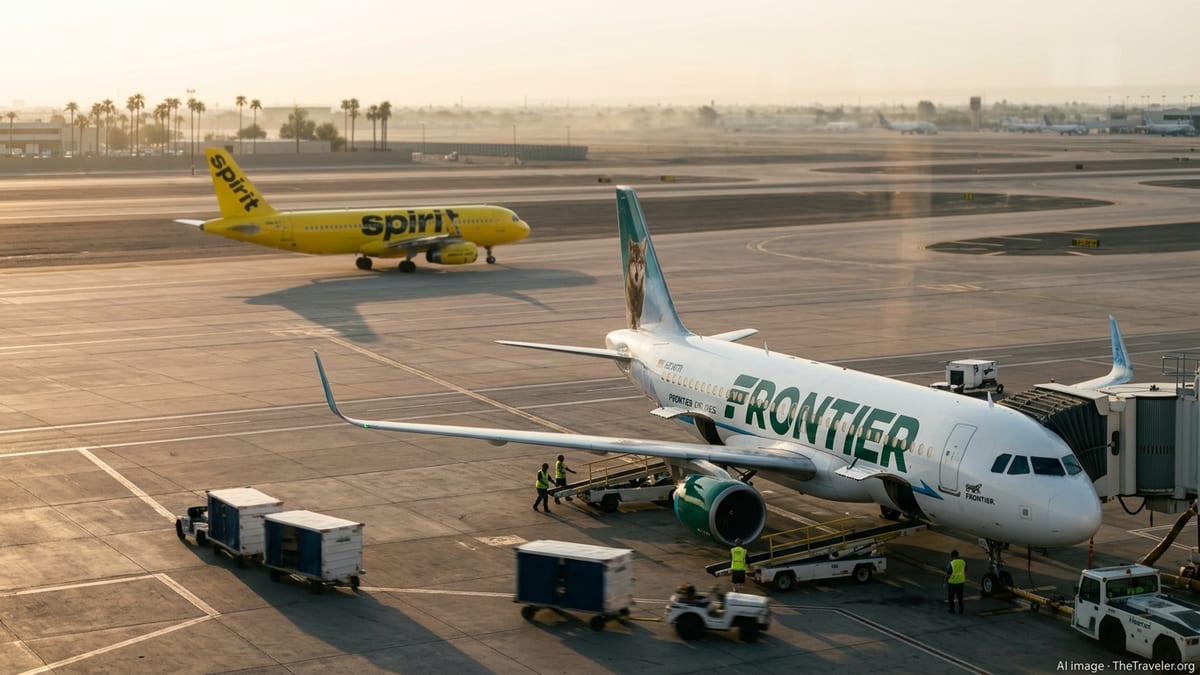
Frontier Airlines is adding four new domestic routes in early 2026, a targeted expansion that aligns closely with markets where rival ultra-low-cost carrier Spirit Airlines has been scaling back its network.
Get the latest news straight to your inbox!
Four New Routes Target High-Demand Leisure Corridors
According to the airline’s published announcements, Frontier will introduce four routes in January and February 2026 linking mid-continent and Mountain West cities with warm-weather destinations in the southern United States. The new services focus on coastal and desert leisure markets that have seen sustained demand for budget-friendly travel.
Industry coverage indicates that the additions include links such as Dallas Fort Worth to Gulf Coast and Florida destinations and a new connection between Salt Lake City and Tucson, timed ahead of the spring travel season. Flight frequencies on the new routes are scheduled between two and three times per week, with introductory one-way base fares in the sub-40 dollar range before taxes and fees, positioning the services firmly in the ultra-low-cost segment.
Timetables show launch dates clustered between late January and late February 2026, giving Frontier a presence on these routes ahead of the peak spring break period. The pattern reflects the carrier’s broader focus on seasonal, leisure-driven flying that can be ramped up or trimmed back quickly in response to demand.
Spirit’s Network Retrenchment Creates Openings
The timing of Frontier’s latest expansion comes as Spirit Airlines continues to shrink its own route map in an effort to stabilize its finances. Public filings and news reports show Spirit undertaking a sweeping restructuring that includes exiting a number of airports and suspending dozens of routes across the United States and Latin America.
Spirit has announced plans to leave at least five airports in January 2026 and to reduce flying in a dozen more cities as part of a schedule pullback estimated at roughly a quarter of its previous capacity. Analysts note that these reductions have been concentrated in price-sensitive leisure markets where ultra-low fares from multiple carriers once drove intense competition.
Route-by-route comparisons published in industry analysis highlight that Frontier overlaps more with Spirit than any other U.S. airline. As Spirit trims frequencies and leaves certain city pairs, Frontier and larger network carriers have been quick to file new or expanded service. Aviation observers see Frontier’s four-route announcement as another example of this pattern, with the Denver-based carrier stepping into gaps left by its rival’s retreat.
Low-Cost Competition Shifts in Sunbelt and Tourism Hubs
The new flights are heavily oriented toward tourism and visiting-friends-and-relatives traffic in the Sunbelt, continuing a trend that accelerated after the pandemic. Recent schedule filings show that cities such as Orlando, Gulf Coast beach destinations, and desert gateways like Tucson have remained focal points for low-fare competition, even as capacity has been pulled down in some smaller or more marginal markets.
Frontier’s move underscores how the ultra-low-cost sector is being reshaped rather than simply shrinking. While one carrier pulls back from certain spokes and secondary airports, another layers in point-to-point routes that leverage its own bases and aircraft availability. For travelers, the net effect can be uneven: some cities see fewer nonstop options as Spirit exits, while others gain new connections as Frontier and competitors move in.
Airport reports from several mid-sized U.S. markets in early 2026 show passenger growth being driven in part by new or expanded Frontier service, including added flights to major hubs and leisure destinations. Those trends suggest that airports successful in securing replacement capacity may be able to offset at least some of the impact from Spirit’s cuts.
Frontier Bets on Ultra-Low Fares and Product Upgrades
The four new routes are part of a broader strategy Frontier has been advancing over the past year, combining ultra-low base fares with select cabin and loyalty upgrades aimed at higher-yield customers. The carrier has been rolling out an updated onboard product that includes a small first class-style section and more flexible seating options, while maintaining its fee-based model for bags and extras.
Investor presentations and company statements describe a plan to increase utilization of Frontier’s Airbus narrowbody fleet through targeted route launches, particularly where competitors have reduced capacity. By concentrating on short and medium-haul leisure routes with strong price sensitivity, the airline aims to keep aircraft full even at relatively low advertised fares.
At the same time, domestic demand has shown signs of softening in some periods, prompting all U.S. carriers, including Frontier, to continuously adjust their schedules. The decision to add only four routes in this wave, rather than a larger blitz, reflects a more calibrated growth approach than some of the aggressive expansions seen earlier in the decade.
Travelers Face a Patchwork of New Options and Lost Links
For travelers in the affected markets, Frontier’s additions will restore or enhance low-fare access to warm-weather destinations that might otherwise have seen fewer nonstop options after Spirit’s retreat. Promotional pricing around launch dates is expected to put downward pressure on competing fares, at least in the short term, on the new routes.
However, the broader picture remains mixed. In cities where Spirit has exited and no other carrier has stepped in, passengers face longer connections and higher average fares. Aviation analysts point out that while the ultra-low-cost model remains present, it is becoming more selective, leaving some smaller or less profitable markets without direct budget service.
As Frontier’s four routes come online in early 2026, the competitive landscape among U.S. discount airlines continues to evolve. With Spirit focused on a leaner network and other low-cost rivals also refining their strategies, travelers can expect further shifts in route maps, schedules, and pricing throughout the year.