

More news on this day
Travelers across the United States faced major disruptions as Frontier Airlines delayed 201 flights and canceled 19 others, leaving passengers stranded at busy airports in Denver, New York, Chicago and several additional cities.
Get the latest news straight to your inbox!
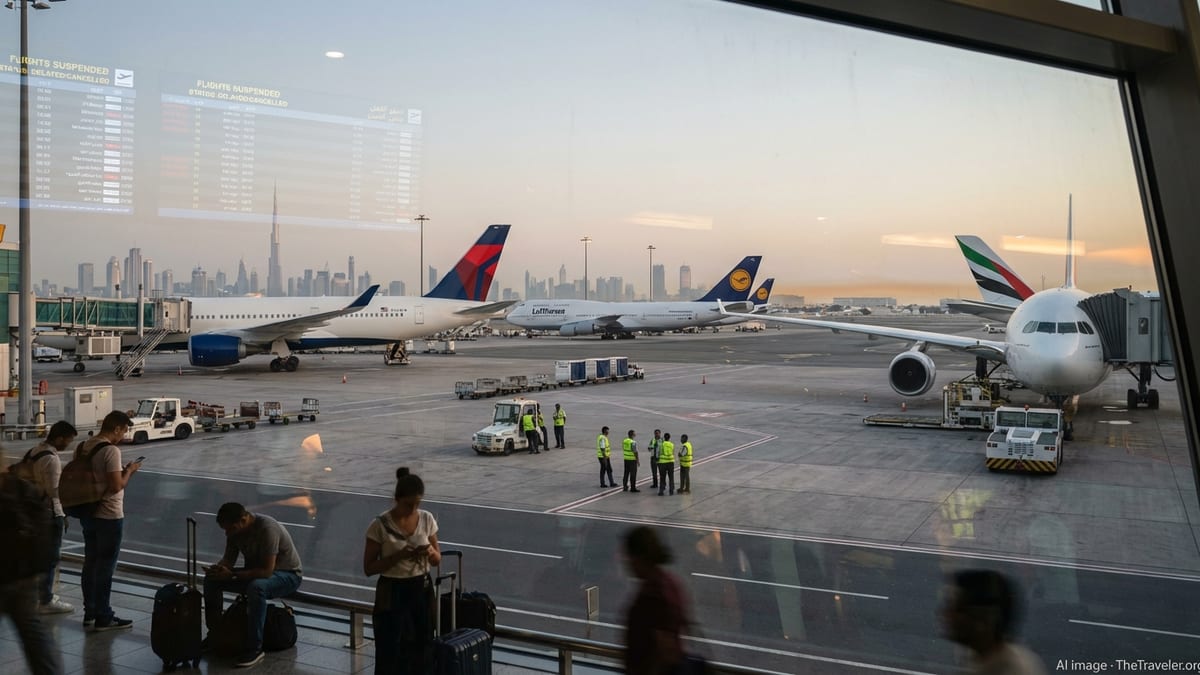
Widespread Disruptions Across Major Hubs
Tracking data from U.S. flight monitoring services shows Frontier operating with significant irregular operations, with 201 flights delayed and 19 canceled in a single day. The disruption has rippled through the carrier’s network, particularly affecting Denver International Airport, Chicago’s two major airports, and the New York City area. The pattern reflects how quickly issues at one hub can cascade across a point to point, low cost network.
Denver, where Frontier maintains a large presence, has seen clusters of late departures and arrivals, compounding congestion at already busy gates. In Chicago, delays have impacted connections to smaller regional destinations, leaving travelers with limited options to rebook. In the New York area, reports indicate long lines at check in counters and boarding gates as passengers seek clarity on revised departure times.
Publicly available flight logs indicate that many of the affected services are short and medium haul domestic routes that typically operate with fast turnarounds. When one aircraft falls behind schedule, it can trigger a chain reaction of knock on delays stretching late into the evening, as aircraft and crews struggle to get back into position for later departures.
Social media posts and traveler forums describe passengers waiting hours at gates with limited information, while electronic boards and mobile apps sometimes showed “on time” statuses even as aircraft remained at previous airports. These communication gaps have added to frustration among travelers already dealing with missed connections, hotel changes and disrupted plans.
Weather, Operations and a Lean Low Cost Model
Industry analysis suggests that a combination of operational strain and recent severe weather has created a particularly fragile environment for carriers with lean fleets. Winter and early spring storms in 2026 have repeatedly disrupted busy corridors in the Midwest and Northeast, including Denver, Chicago and New York, prompting large waves of delays and cancellations across multiple airlines.
Frontier, like many ultra low cost carriers, typically runs tight schedules with high aircraft utilization and fewer spare planes than legacy competitors. Aviation observers note that this approach keeps fares low but leaves less margin to recover when storms, air traffic control constraints or maintenance issues intervene. When a single aircraft is pulled from service, several flights in sequence may be affected.
Recent published coverage on U.S. airline performance has highlighted Frontier’s elevated rate of late arrivals and customer complaints relative to larger network carriers. Consumer advocates argue that the combination of lean operations, limited interline agreements with other airlines and a primarily online support model can make irregular operations particularly painful for travelers when large disruptions occur.
Analysts also point to pressure across the industry from pilot and crew availability, as well as congestion at major hubs that already rank among the most delay prone in the country. These systemic factors can amplify the impact when any single airline experiences an outsize number of late or canceled flights on a given day.
Stranded Travelers Confront Limited Rebooking Options
Reports from airport terminals indicate that many affected passengers have faced long waits in customer service lines and limited rebooking choices, especially on popular routes that already operate with high load factors. Because Frontier does not maintain the same level of partnerships or interline agreements as some legacy airlines, stranded travelers often have fewer options to be rebooked on competing carriers at no additional cost.
Public information on airline policies shows that U.S. carriers are generally not required to provide meal or hotel vouchers when delays or cancellations stem from weather or other circumstances defined as outside their control. When disruptions are categorized as controllable, such as certain mechanical or staffing issues, airlines may offer vouchers or overnight accommodation, but specific assistance varies widely by carrier.
In practice, passengers posting on online forums describe having to choose between accepting a rebooked flight days later on Frontier or purchasing last minute tickets on other airlines at significantly higher prices. For travelers heading to time sensitive events, such as family gatherings, work commitments or connecting international flights, these choices can be particularly costly.
Consumer advocates frequently advise travelers caught in similar disruptions to document expenses, keep records of all communications with the airline and review both the carrier’s contract of carriage and any protections available through credit card travel benefits or separate travel insurance policies. These measures can be important in seeking refunds or partial reimbursement when schedules unravel.
Frontier’s Recent Reliability Under Renewed Scrutiny
The latest wave of delays and cancellations has renewed attention on Frontier’s recent reliability record. Travel and aviation outlets that compile on time performance data have previously ranked the carrier among U.S. airlines with some of the highest percentages of delayed flights, prompting criticism from frequent flyers and consumer groups.
Commentary in travel forums and industry analyses often frames the trade off between ultra low fares and operational resilience. Frontier’s model emphasizes low base ticket prices and unbundled fees for extras such as bags, seat assignments and change flexibility. During normal operations, this allows the airline to offer some of the lowest advertised fares in key leisure markets from Denver, Chicago and other cities.
However, when a large number of flights run late or are canceled in a compressed period, passengers may find that rebooking options, customer support access and compensation policies feel more limited compared with some higher fare competitors. The current disruption, involving more than 200 affected flights across the network, is likely to intensify ongoing debates among travelers about whether the lower upfront cost offsets potential risks during peak travel seasons.
Aviation analysts note that the broader U.S. airline sector is under growing regulatory and public pressure to improve transparency on delays, provide more predictable compensation structures and strengthen communication during service disruptions. Frontier’s performance during events like the current episode is expected to factor into future comparisons and evaluations of airline reliability.
What Affected Passengers Can Do Now
For travelers whose Frontier flights are delayed or canceled, publicly available guidance from transportation agencies and consumer organizations emphasizes acting quickly. Passengers are encouraged to check the airline’s mobile app and website frequently, while also monitoring independent flight tracking services to confirm actual departure and arrival statuses when official systems lag behind real conditions.
Consumer advocates often suggest approaching both airport customer service desks and online support channels simultaneously, as long lines can form quickly during mass disruptions. Some travelers report better results by contacting the airline through multiple channels at once, including call centers and direct messaging, to secure seats on the earliest available alternative flight.
If a canceled flight or extensive delay causes a traveler to abandon their trip, existing federal rules require airlines to provide refunds when passengers choose not to accept a significant schedule change or alternative routing. Observers note that refunds may take time to process, so keeping clear records of bookings and any written notices of cancellation can help if follow up is needed.
Travel planners suggest that the current wave of Frontier disruptions is a reminder for passengers across all airlines to build more buffer time into itineraries, especially when connecting to cruises, tours or long haul international flights. As severe weather, congested airspace and tight airline schedules continue to strain U.S. aviation, many experts anticipate that similar mass disruption events will remain a recurring challenge for travelers.