

More news on this day
Passengers across the United States are facing another wave of air travel turmoil after publicly available tracking data showed Frontier Airlines delaying 201 flights and canceling 19 others in a single day, snarling operations at major hubs in Denver, the New York area, Chicago and several additional cities.
Get the latest news straight to your inbox!
Major Frontier Disruptions Hit Key U.S. Hubs
The latest figures, compiled from live flight-status dashboards and summarized in recent national travel coverage, place Frontier among the carriers experiencing significant operational strain during the early April travel period. Reports indicate that the bulk of the airline’s delayed and canceled services are clustered around its core bases and focus cities, including Denver International Airport and busy Midwest and East Coast gateways.
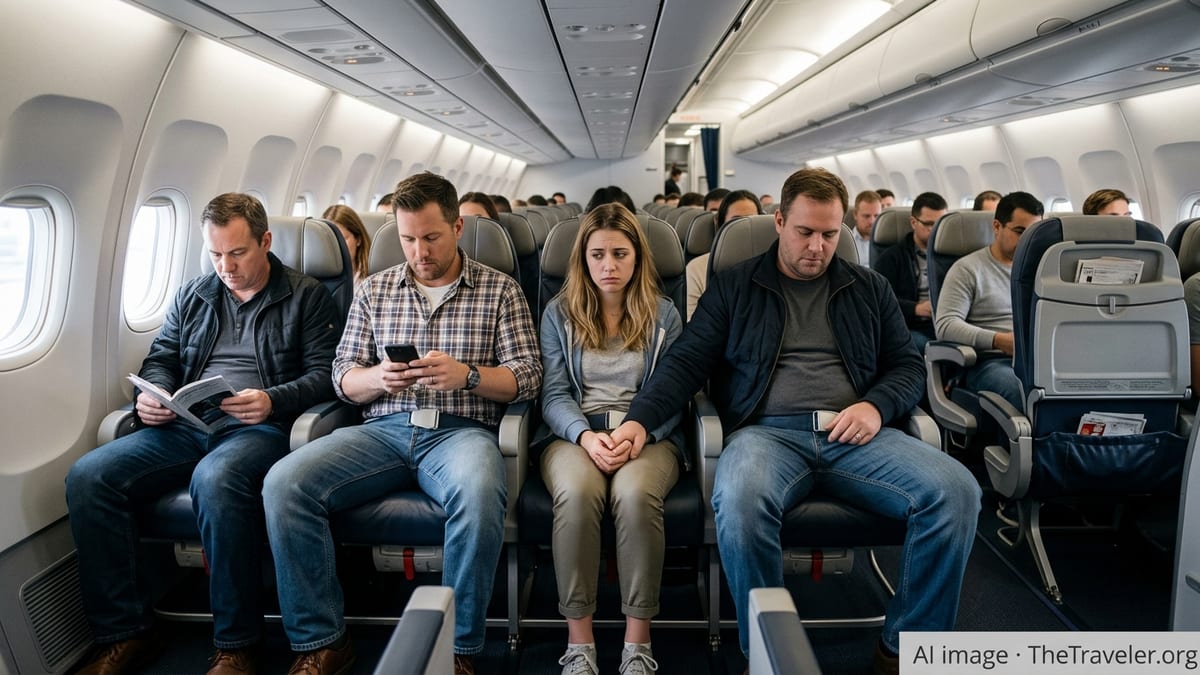
Travel reporting describes crowded gate areas and long lines at customer service counters as Frontier’s schedule disruptions ripple across its network. Passengers attempting to connect through Denver, Chicago and New York area airports are encountering missed connections, unplanned overnight stays and limited rebooking options as many alternative flights depart at or near full capacity.
The Frontier disruptions are unfolding alongside a broader spike in U.S. delays and cancellations affecting multiple airlines. Coverage of national flight performance for April 3 notes that more than three thousand flights were delayed and several hundred were canceled across all carriers, underscoring how even a relatively small number of cancellations at one airline can cascade through already stressed airport systems.
Denver, New York and Chicago Bear the Brunt
Denver International Airport, Frontier’s largest hub, appears to be one of the most heavily affected locations. Publicly available flight tallies show the carrier’s delays and cancellations concentrated on high-frequency domestic routes that link Denver with major population centers. As aircraft and crews fall out of position, subsequent departures are pushed back, creating rolling disruptions throughout the day.
In the New York area, recent travel coverage highlights knock-on delays at key airports such as LaGuardia and John F. Kennedy, where Frontier operates a mix of point-to-point and connecting services. With the broader New York market also handling weather-related and congestion-driven disruption among other airlines this spring, even modest schedule changes at Frontier are compounding long wait times at crowded terminals.
Chicago’s major airports are seeing similar patterns. Reports describe Frontier’s delays intersecting with operational challenges among larger network carriers, contributing to a patchwork of late departures and tight connections for travelers heading on to secondary cities across the Midwest and East Coast. In some cases, passengers arriving late into Chicago are finding that the last flights of the night to smaller markets have already departed, forcing them to seek hotel rooms or alternative routes the following day.
Part of a Wider Spring 2026 Travel Squeeze
The Frontier disruption is occurring against a backdrop of persistent reliability challenges in the U.S. aviation system during early 2026. Travel industry analysis points to strong passenger demand, constrained staffing in some operational roles and periodic bouts of adverse weather as recurring triggers for waves of nationwide delays and cancellations.
Recent reporting on U.S. flight statistics for the first months of 2026 notes that several low cost and ultra low cost carriers, including Frontier, have been particularly vulnerable when storms or operational bottlenecks emerge. With leaner schedules and tighter aircraft utilization, a single mechanical issue or ground hold can propagate more quickly across their networks than at airlines with larger fleets and more redundancy.
Coverage of the wider disruption on April 3 describes similar scenes at other airlines, including hundreds of delays and dozens of cancellations for both regional and major network carriers. For travelers, the practical effect is that when Frontier cancels or significantly delays a flight, rebooking onto a different airline is not always straightforward, because seats on competing carriers are already heavily booked during peak spring travel weeks.
What the Disruption Means for Affected Passengers
For passengers caught in the middle of Frontier’s 201 delays and 19 cancellations, the immediate impacts range from missed vacations to disrupted work trips and family events. Travel features and consumer reports note that some travelers are facing multi-hour waits to speak with customer service agents, while others are turning to digital tools and self-service options to secure the next available seats.
Publicly available guidance from travel advocates emphasizes several practical steps for those affected. Passengers are encouraged to monitor flight status in real time through airline apps and airport displays, keep boarding passes and receipts for any out-of-pocket expenses, and document the timing and nature of delays or cancellations in case they later seek refunds or reimbursement for services not provided.
Federal transportation guidance indicates that U.S. airlines must provide cash refunds when a flight is canceled and the passenger chooses not to travel, or when there is a significant schedule change and the traveler declines the revised itinerary. However, compensation for additional costs such as meals or hotels is not guaranteed and often depends on whether the disruption is considered within the airline’s control, such as a staffing or maintenance issue, or outside its control, such as severe weather or airspace restrictions.
How Frontier Travelers Can Navigate Ongoing Turbulence
As Frontier works to stabilize its schedule, travel experts advise that passengers with upcoming trips build extra buffer time into their plans and check flight status repeatedly in the 24 hours leading up to departure. Same-day changes, even after check-in, are common in periods of network stress, and early awareness can provide more options for rerouting or adjusting connections.
Consumer-facing travel coverage often recommends leveraging multiple channels simultaneously when a disruption hits. This can include using the airline app to request rebooking, lining up for assistance at the gate or service desk, and exploring alternative routings through less congested hubs where available. For travelers on tight timelines, proactively asking about earlier departures or overnight options may help avoid getting stranded late in the day when flight choices narrow.
Observers note that recurring waves of delays and cancellations across U.S. airlines in 2026 are prompting many travelers to rethink their risk tolerance. Some are shifting to earlier flights, purchasing flexible fares, or allowing additional days at the start or end of important trips to account for potential disruptions. For Frontier’s customers, the latest tally of 201 delays and 19 cancellations serves as a reminder that close monitoring and flexible planning remain essential as the busy spring travel season continues.