

More news on this day
Jet fuel rationing at four major Italian airports is rippling through Europe’s air network, disrupting Easter travel and underscoring how exposed the continent’s aviation system is to global energy shocks.
Get the latest news straight to your inbox!
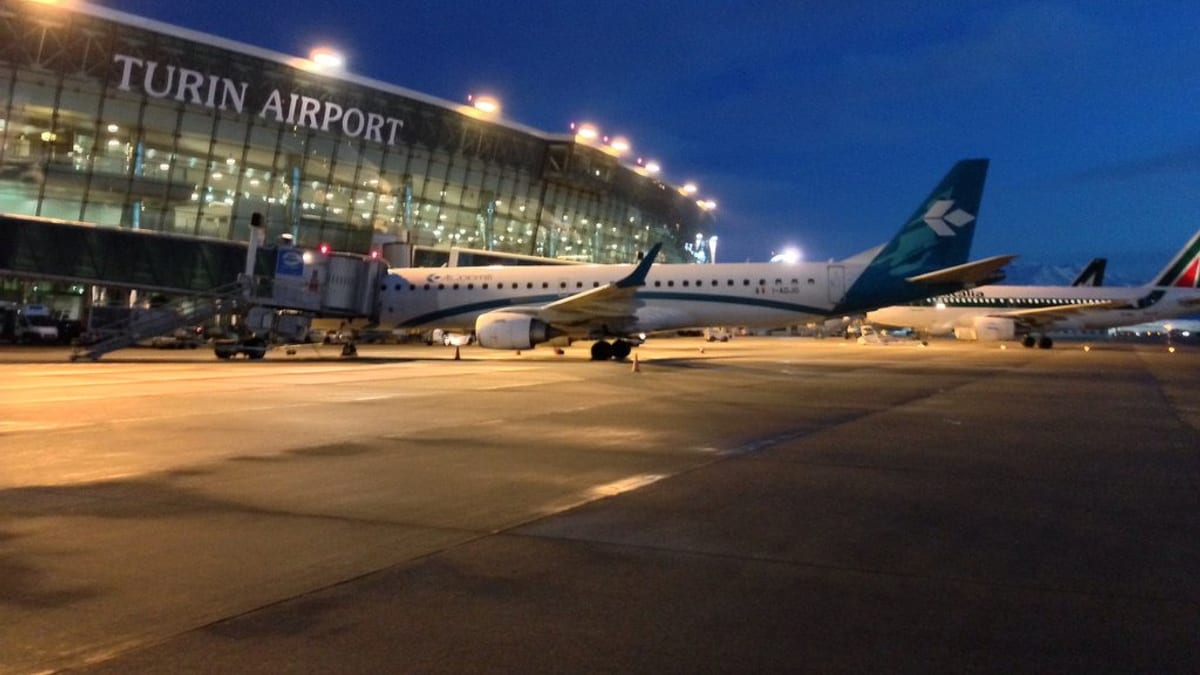
Refuelling caps hit key Italian gateways
Airports in Bologna, Milan Linate, Venice Marco Polo and Treviso have introduced temporary limits on jet fuel supplies, according to aviation notices issued in early April. The measures, which are currently scheduled to remain in force until at least the evening of 9 April, cap the amount of Jet A1 fuel that aircraft can load for each departure.
Publicly available information indicates that the restrictions stem from delivery problems affecting Air BP Italia, a major supplier at the affected airports, combined with broader volatility on global fuel routes. Local coverage describes a system under strain rather than a complete shutdown, with operators seeking to stretch available stocks long enough to avoid outright closures of fuel farms.
The caps are being felt most sharply at Venice, where flight-planning advisories urge crews to arrive with additional fuel from their origin airports whenever possible. In Bologna and Milan Linate, airlines are being asked to avoid nonessential tankering from local supplies and to prioritise uplift only for flights that cannot safely operate on reserves loaded elsewhere.
Industry trackers report that on some short European routes, aircraft are now departing Italy with only minimal top-ups or none at all, relying instead on fuel taken at previous stops. While runway operations and terminal facilities remain open, the imbalance between available fuel and scheduled demand is increasingly dictating what can fly and when.
Middle East conflict exposes Europe’s fuel dependence
The squeeze on Italian airports forms part of a wider jet fuel crunch across Europe as the conflict in the Middle East disrupts flows through the Strait of Hormuz, a vital corridor for crude and refined products. Energy analyses released over the past week describe one of the most severe supply interruptions in decades for key products such as diesel and aviation kerosene.
Trade data compiled by industry publications show that Europe’s jet fuel imports fell sharply in March, with volumes reportedly dropping by more than half compared with earlier in the year. A significant share of the continent’s aviation fuel is normally sourced from refineries in the Gulf region, leaving airlines and airports highly exposed when tanker routes are diverted or delayed.
Italian hubs appear to be among the first in the European Union to translate this macro-level disruption into formal rationing on the apron. Market commentary suggests that the country’s reliance on seaborne deliveries to supply its northern airports, combined with seasonal traffic peaks around Easter, has turned an emerging scarcity into an operational constraint.
Analysts warn that if the crisis around Hormuz persists into late spring, current bottlenecks at Italian airports could foreshadow stricter measures elsewhere in Europe. Airlines operating from Germany, Spain, France and the United Kingdom are already adjusting fuel planning to account for tighter margins and higher prices at a growing number of hubs.
Flight delays, diversions and rising costs for travellers
For passengers, the most immediate effects of the Italian fuel crisis are schedule changes and longer journey times. Travel advisories compiled over the weekend highlight cases in which flights touching Bologna, Venice or Milan Linate have been rerouted through alternative airports to refuel, or have departed with reduced payloads to conserve kerosene.
Some carriers have quietly thinned frequencies on marginal routes in and out of northern Italy, preferring to concentrate scarce fuel on busier city pairs. Where flights do operate, travellers may face last-minute aircraft swaps, revised departure times or unscheduled technical stops at nearby hubs with stronger fuel positions.
Booking platforms and corporate travel managers report a steady rise in average fares on routes that rely heavily on the affected airports, as airlines attempt to pass on higher operating costs. The combination of longer routings, additional ground handling and constrained seat supply is pushing up prices at the same moment holiday demand is peaking.
Consumer groups caution that disruption could worsen if rationing is extended beyond 9 April or rolled out to additional Italian airports. They advise travellers to monitor their itineraries closely, build in extra connection time and be prepared for rebooking via secondary hubs across the Schengen area and beyond.
European airlines rethink fuel and fleet strategies
The Italian shortages are forcing airlines to revisit how they manage fuel risk across their networks. Carriers traditionally mitigate price volatility through hedging contracts and diversified sourcing, but the current crunch is testing those strategies by limiting the physical availability of kerosene at certain airports, regardless of financial cover.
Flight-planning departments are accelerating the use of so-called tankering, loading additional fuel at airports with stable supplies to reduce reliance on constrained locations. However, this practice carries penalties in extra weight and emissions, and in some jurisdictions has been discouraged by environmental rules designed to cut unnecessary fuel burn.
Fleet choices are also coming under scrutiny. Aviation analysts note that higher fuel prices and patchy supply strengthen the case for more efficient narrow-body aircraft on intra-European routes, while older wide-bodies may see limited deployment where alternative equipment is available. Some network carriers have already signalled plans to retire their least efficient jets faster if fuel markets remain tight.
At policy level, the crisis intersects with the European Union’s push toward sustainable aviation fuel. While synthetic and bio-based blends currently account for only a small fraction of total jet consumption, the ability of certain airports to source alternative fuels from regional suppliers could become a competitive advantage if conventional imports remain constrained.
Risks of wider disruption across Europe’s skies
Although the present fuel caps are concentrated in northern Italy, the continent’s dense web of air routes means the effects are not confined within national borders. Many flights between central and southeastern Europe rely on Italian hubs for connections, and shortages there can cascade into missed links and aircraft out of position across the network.
Low cost and network carriers alike are drawing up contingency plans that assume intermittent rationing at multiple European airports over the coming months. Scenario planning shared in industry briefings includes options such as temporary consolidation of services at fewer hubs, suspension of some shorter routes where rail alternatives exist, and increased use of wet-leased aircraft based in less affected markets.
Energy specialists underline that the trajectory of the crisis will depend heavily on developments in the Middle East and on how quickly alternative shipping and refining arrangements can be put in place. Even if supply routes through the Gulf partially reopen, the backlog of demand from Europe’s aviation and road transport sectors could keep jet fuel markets tight well into the summer schedule.
For now, the fuel crisis at Italian airports serves as a warning signal for European air travel. What began as a localised constraint on kerosene stocks has rapidly become a test case for how resilient the region’s aviation system is when the essential commodity that keeps aircraft flying suddenly becomes scarce.