

More news on this day
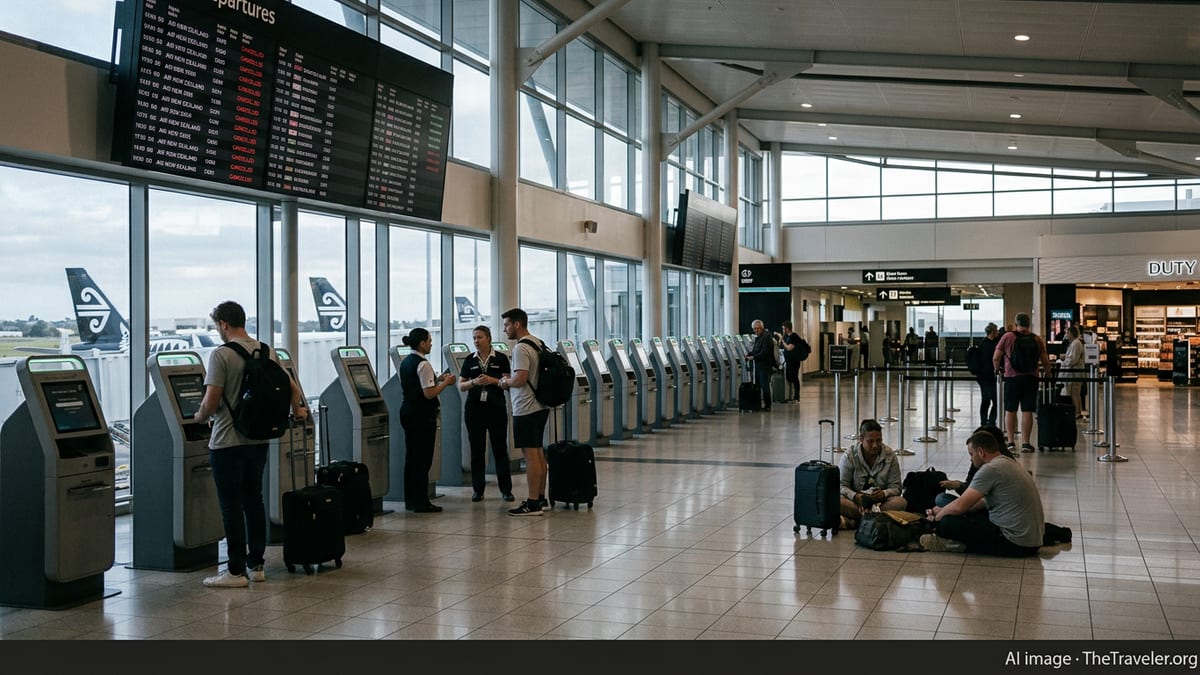
Air New Zealand is cancelling around 1,100 flights through early May 2026 as surging jet fuel prices linked to conflict in the Middle East force the carrier to trim capacity, disrupting travel plans for an estimated 44,000 passengers across its domestic and international network.
Get the latest news straight to your inbox!
Fuel Volatility Triggers Major Schedule Cut
The decision, announced in mid-March, follows what the airline has described in public filings as unprecedented volatility in global jet fuel markets. Since late February, benchmark jet fuel prices have swung sharply higher, outpacing movements in crude oil and putting sudden pressure on operating costs.
Publicly available information shows that Air New Zealand is significantly hedged against underlying crude prices, but remains exposed to the widening gap between crude and refined jet fuel. In recent days that spread has expanded dramatically, with jet fuel prices briefly reaching more than double the levels assumed in the airline’s February financial guidance.
In a notice to investors on March 10, Air New Zealand withdrew its full-year 2026 earnings guidance, citing the deteriorating fuel cost outlook. The cancellation of 1,100 flights over the following weeks is one of the first visible network responses to that pressure, alongside previously signalled ticket price increases.
The move underscores how quickly geopolitical shocks can feed through to airline schedules. The escalation of conflict in the Middle East has rippled into global energy markets, prompting carriers in distant regions such as the South Pacific to reassess capacity and pricing on short notice.
Impact on Domestic New Zealand Travel
Domestic travellers are expected to bear a significant share of the disruption. Local coverage indicates that many of the cancelled services are short-haul routes connecting regional centres with Auckland, Wellington and Christchurch, where frequencies can be trimmed without fully severing links.
From March 16 to early May, travellers on popular business and leisure corridors such as Tauranga, Nelson and other regional destinations are being advised to expect reduced daily services and busier remaining flights. In some cases, schedules are being consolidated so that multiple lightly booked departures are replaced by a smaller number of fuller flights.
The cancellations arrive just after the busy Easter and school holiday periods, a timing that appears intended to limit the number of affected customers while still delivering near-term fuel savings. Even so, published estimates suggest about 44,000 passengers will have itineraries changed, rebooked or partially refunded.
Travel agents and passenger advisories highlight the need for flexibility, with recommendations to allow extra time for connections and to monitor bookings closely in case of further timetable adjustments. Some domestic travellers are reportedly shifting plans to driving or long-distance buses on routes where air options are temporarily constrained.
International Routes and Long-Haul Consequences
While many of the 1,100 cancellations involve domestic sectors, the shock to fuel costs is also weighing on long-haul operations. Long-range flights are among the most fuel-intensive services in the network, and even small changes in the per-barrel price can have multiplied effects on route economics.
Publicly available schedule data and media reports point to targeted reductions on select trans-Tasman and Pacific routes, primarily through frequency cuts rather than wholesale route withdrawals. The strategy appears designed to preserve key international connections while trimming capacity to align with the new cost environment.
For North American and Asian long-haul markets, analysts note that Air New Zealand has limited room to pare back too deeply without ceding ground to competitors. Instead, the airline is signalling a combination of modest schedule changes and higher fares, particularly in premium cabins where demand has remained resilient.
Passengers connecting through Auckland from overseas are being urged in travel advisories to check onward domestic legs carefully, as some cancellations involve feeder flights that link international arrivals with smaller New Zealand destinations.
Financial Pressures Behind the Decision
The flight cuts come on the heels of a weak first half of the 2026 financial year for Air New Zealand, during which the airline reported a loss before tax and flagged a challenging operating environment. At its late-February interim results, management assumed an average jet fuel price of about 85 US dollars a barrel for the second half of the year, a level that quickly became outdated as prices spiked.
Industry commentary notes that fuel is typically the second-largest expense line for the airline after labour, accounting for well over a billion New Zealand dollars annually. A rapid, unexpected jump in fuel costs of the scale seen in early March can therefore erode margins within weeks if not offset by higher fares, cost savings or reduced flying.
Investors have been told that Air New Zealand is accelerating cost-control measures, reviewing non-essential spending and assessing further network optimisation. The cancellation of 1,100 flights delivers immediate savings on fuel and variable operating costs, though at the risk of denting customer satisfaction and short-term revenue.
Market analysts are watching closely to see whether the airline will need to consider additional capital-raising or further capacity cuts if fuel prices remain elevated for an extended period. For now, the company is signalling that it views the current moves as a response to an acute shock rather than a permanent restructuring of its route network.
What Travellers Should Expect in the Coming Weeks
For customers, the most immediate impacts will be rebooked flights, longer connection times and busier services on remaining routes. Travel industry guidance suggests that affected passengers are generally being offered alternative flights, credits or refunds in line with fare conditions and local consumer rules.
Airports around New Zealand are preparing for a period of heightened uncertainty as schedules are adjusted. Travellers may see more last-minute gate changes and altered departure times as the airline fine-tunes capacity day by day in response to fuel price movements and booking patterns.
Travel planners recommend that passengers build extra flexibility into itineraries, particularly those involving regional connections or tight international links. Booking tools and airline apps are likely to play an important role in keeping customers informed of changes, as the situation remains fluid.
Looking ahead, the extent of further disruption will depend largely on whether jet fuel markets stabilise after the initial shock linked to the Middle East conflict. If prices ease back toward levels assumed in earlier guidance, some capacity could return. If volatility persists, Air New Zealand and other carriers may need to deepen flight cuts and pursue more aggressive fare increases, reshaping travel options for New Zealand and its key international partners.