

More news on this day
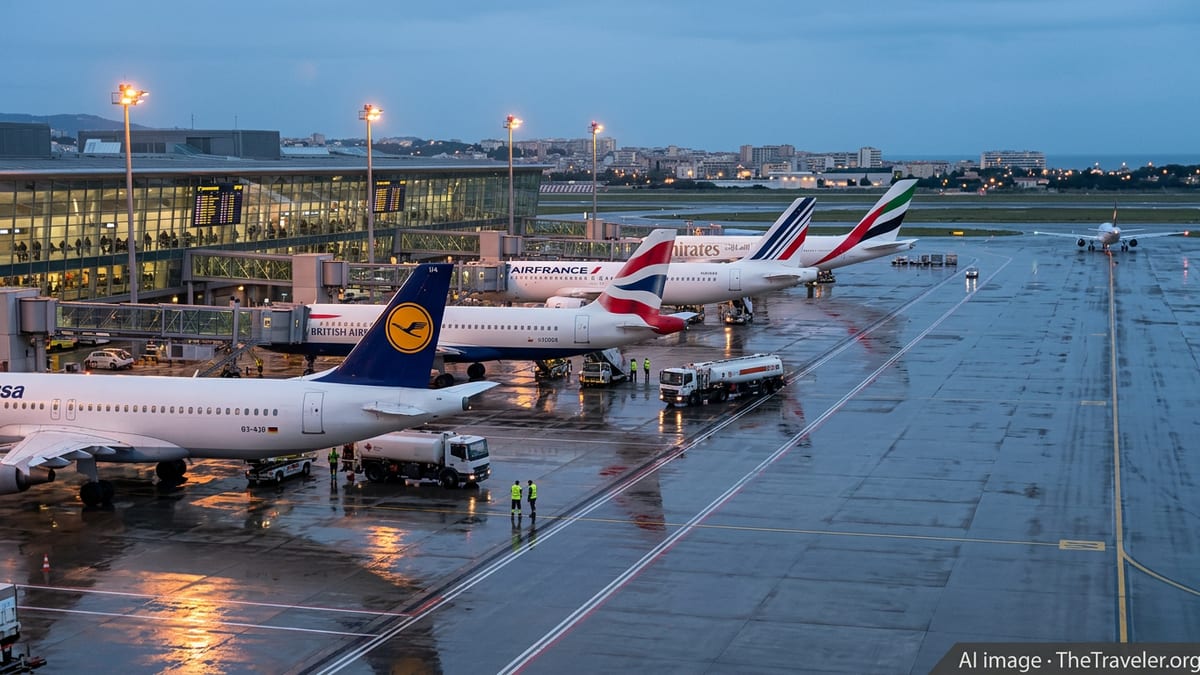
Surging jet fuel prices and renewed geopolitical tensions are driving fresh turbulence for global carriers including Lufthansa, British Airways parent IAG, Air France-KLM and Emirates, with recent stock market weakness raising concerns over higher airfares, softer demand and a looming squeeze on tourism-dependent economies such as Italy and Spain.
Get the latest news straight to your inbox!
Airline Stocks Under Pressure as Fuel Costs Jump
European aviation and travel stocks have come under renewed pressure in March 2026 as jet fuel prices spike in the wake of the conflict in the Middle East and the wider Iran war, which have pushed oil markets sharply higher. Industry analyses point to jet fuel rising more than 100 percent so far this year, magnifying fuel’s role as the largest single cost line for full-service carriers. Investors have responded by marking down major airline groups, fearful that the fuel shock will erode margins just as balance sheets were beginning to recover from the pandemic years.
Lufthansa has already warned in recent financial communications that sharp swings in fuel prices can have a significant impact on its results, estimating that a double-digit percentage increase in kerosene could add hundreds of millions of euros to its annual costs once hedging protection begins to roll off. Market commentary surrounding the group’s 2025 accounts highlighted the sensitivity of earnings to every 10 percent move in fuel. With benchmark crude climbing back above 100 dollars a barrel, traders have grown more cautious on the stock, which has lagged broader European indices.
British Airways’ parent International Airlines Group is facing similar scrutiny. While earlier 2025 disclosures showed a benefit from lower fuel prices compared with 2024, current market expectations are being rapidly revised as the fuel backdrop reverses. Analysts note that any sustained jump in fuel and emissions charges per available seat kilometre would put pressure on IAG’s targets for returns, prompting a pullback in the share price as investors factor in slimmer profit forecasts and potential capacity adjustments.
Air France-KLM and Emirates, which only months ago were emphasising record revenues and strong profitability, are now being reassessed through the lens of a possible prolonged fuel shock. Recent coverage of Air France-KLM’s hedging strategy, which now extends over a longer horizon and a higher share of expected consumption, frames the group as comparatively shielded in the near term, but not immune if elevated prices persist. Emirates’ own reports for the 2024-25 year underlined fuel as one of its two largest cost items, reinforcing worries that even highly profitable long-haul carriers will feel the strain.
Higher Fares Threaten Demand for Italy and Spain
For leisure travellers, the most immediate consequence of the fuel surge is higher ticket prices. According to recent industry commentary from airline associations, European carriers are preparing for fare rises of up to high single digits if fuel remains at present levels, with some forecasts pointing to increases of around 8 to 9 percent. Airlines have limited room to absorb the shock after several years of inflation in labour, airport charges and environmental levies, making fuel surcharges and dynamic pricing the main levers.
Italy and Spain, two of Europe’s most tourism-dependent economies, are particularly exposed to this shift. Both countries rely on high-capacity short and medium haul flows from Northern Europe and the UK, as well as long-haul visitors arriving via hubs operated by the same network carriers now wrestling with higher costs. Economic analyses of the post-pandemic recovery show that a large part of the rebound in Italian and Spanish growth has been driven by revived arrivals and spending in coastal resorts, cultural cities and island destinations.
Industry observers warn that price-sensitive visitors may start to trim or delay trips if advertised fares rise sharply into the key spring and summer booking windows. Early indicators from online travel agencies and tour operators point to travellers shifting to shorter stays, lower-cost secondary airports or alternative destinations reachable by rail or car. That could translate into slower growth in inbound passenger numbers to major Italian and Spanish gateways, even if aggregate demand for travel across Europe remains resilient.
At the same time, airlines serving Italy and Spain are reviewing capacity plans for late 2026, balancing strong underlying demand against the risk of flying unprofitable seats. Any resulting cuts on marginal routes or frequencies would further constrain supply into popular regions such as Andalusia, the Balearic Islands, Sicily and the Amalfi coast, reinforcing the upward pressure on prices for remaining seats.
Hotel Chains Face Booking Volatility and Cost Pressures
Global hotel brands, including groups that operate or franchise under the Hilton flag across Italy and Spain, are beginning to feel the indirect effects of airline cost pressures and stock market volatility. Publicly available information from the last two years shows that large chains benefited from robust rate growth as pent-up travel demand returned and urban conferences resumed. However, analysts are now flagging the risk that rising airfares could dampen occupancy growth, particularly in resort properties that depend heavily on international air arrivals.
Hilton-affiliated hotels in Mediterranean beach destinations and major city hubs such as Rome, Milan, Barcelona and Madrid are closely tied to international air connectivity provided by Lufthansa, British Airways, Air France-KLM, Emirates and their partners. If airlines respond to higher fuel costs by reallocating capacity away from some leisure routes or by pushing through aggressive fare increases, hotel demand patterns may become more volatile. Weekend city-break markets and shoulder-season bookings are seen as especially vulnerable.
There is also a cost side to the story for hotels. Energy prices in Europe often move in tandem with oil and gas benchmarks, and the current conflict-driven spike is raising operating expenses for heating, cooling and food logistics. Hospitality analysts note that hotels have already implemented multiple waves of price increases since 2022 to keep pace with inflation. The latest fuel-led shock could force another round of selective rate rises just as guests are already grappling with more expensive flights, testing the limits of travellers’ willingness to pay.
Despite these headwinds, some commentators argue that the strongest hotel assets in prime Italian and Spanish locations are still likely to maintain high occupancy thanks to constrained supply and the enduring appeal of heritage cities and coastal landscapes. Yet even in these markets, revenue managers are expected to lean more heavily on data-driven pricing and tighter inventory controls to protect margins in an environment of rising input costs and more uncertain airlift.
Tourism Flows Adjust as Carriers Reroute and Hedge
The fuel shock is unfolding alongside broader changes in capacity deployment. Recent updates from airline groups highlight a continued emphasis on network flexibility, with carriers prepared to shift aircraft from weaker markets to routes where demand and yields remain strong enough to offset higher fuel bills. For Italy and Spain, this could mean a greater concentration of flights into primary hubs and tourism hotspots, with secondary cities facing more limited connectivity.
Reports on travel patterns since late 2025 indicate that some long-haul demand has already been redirected away from conflict-affected regions toward Europe, including Mediterranean destinations. Industry bodies describe this as a reprogramming of itineraries by both leisure and business travellers. While this trend has so far supported inbound tourism numbers to Italy and Spain, a prolonged period of elevated fuel costs could eventually cap the benefit if airlines decide that thinner routes no longer justify their operating economics.
Hedging strategies are emerging as a key differentiator among carriers. Air France-KLM has increased the time horizon and proportion of its fuel hedging, while Lufthansa retains a substantial, though gradually rolling, hedge book. These approaches provide a buffer in early 2026, slowing the pass-through of wholesale price spikes into airline income statements. Gulf carriers such as Emirates, which previously benefited from easing fuel costs and high demand, are now monitoring whether further hedging or network adjustments are needed to protect record profitability.
For tourism authorities in Italy and Spain, the evolving picture underscores the importance of diversified source markets and transport modes. Rail connectivity within Europe, cruise tourism and domestic travel are all being promoted more aggressively to mitigate reliance on any single airline or region. However, given the central role of long-haul air travel for high-spending visitors from North America, the Middle East and Asia, the financial squeeze on major carriers remains a critical variable for hotel owners, local businesses and policymakers ahead of the 2026 high season.