

More news on this day
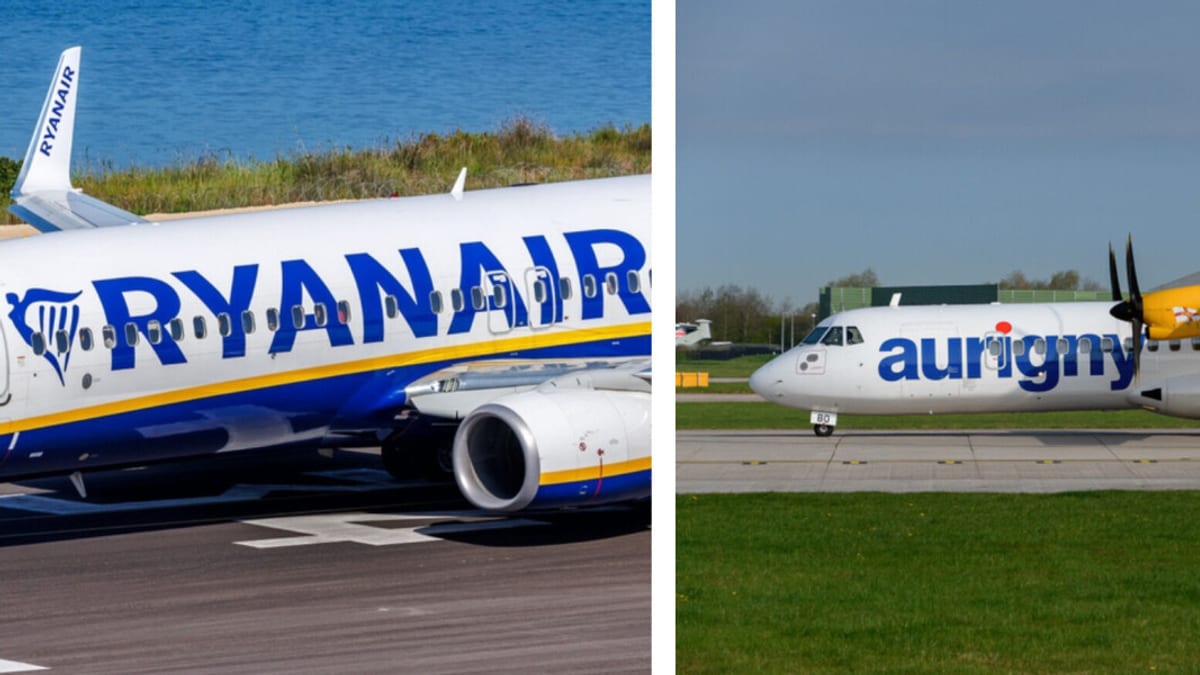
Growing concerns over jet fuel supplies in Europe are beginning to filter through to airline schedules, with Ryanair warning that some summer flights could be cancelled and Channel Islands carrier Aurigny cutting selected Paris services.
Get the latest news straight to your inbox!
Fuel shortages move from industry risk to passenger concern
Publicly available commentary from airline executives and market analysts in early April points to a tightening jet fuel backdrop across Europe as the conflict involving Iran disrupts shipping routes and refinery output. Stockpiles at key hubs are reported to cover only a few weeks of demand, and suppliers are increasingly reluctant to guarantee deliveries beyond the very short term.
This environment is feeding through into airline planning for the crucial late spring and summer season. Low cost carriers that rely on high aircraft utilisation and dense schedules are particularly exposed if fuel deliveries are rationed or delayed, since even minor constraints can quickly ripple across networks. Investors and travel industry observers are now treating fuel availability, rather than demand, as a central uncertainty for the coming months.
At the same time, many airlines had already locked in ambitious growth and fare strategies for 2026. The need to reconsider capacity and pricing against a volatile fuel outlook raises the risk of short notice timetable changes, consolidations of lightly used services and further upward pressure on ticket prices.
Ryanair flags risk of selective summer cancellations
Ryanair has become one of the most high profile carriers to connect the fuel squeeze with the possibility of cancellations. Recent market analysis of the airline’s guidance highlights management warnings that 5 to 10 percent of flights between May and July could be cut if jet fuel shortages materialise or if suppliers are unable to maintain contracted deliveries.
According to published coverage, the airline is not currently cancelling flights on a broad basis and continues to report strong passenger numbers. Traffic data for March showed year on year growth, underlining that demand remains robust even as the war in the Middle East complicates fuel logistics. The concern lies instead in the weeks ahead, when the traditional build up to the European summer peak coincides with the tightest forecast for regional fuel inventories.
Ryanair’s leadership has indicated in recent media appearances that the risk would be significantly reduced if the conflict in the Gulf eases and key shipping lanes reopen by mid to late April. Planning scenarios shared in analyst notes suggest that, if cuts are required, they are likely to fall first on thinner routes and secondary airports where alternative capacity exists, rather than on the airline’s busiest leisure and city pairings.
Aurigny trims Paris schedule as pressures combine
While Ryanair is still speaking in terms of potential disruption, Aurigny has already moved to implement targeted changes to its French network. Recent reports from the Channel Islands outline that the Guernsey based carrier has cancelled most midweek flights between Guernsey and Paris until at least June, while also combining some services from Exeter and Bristol.
The airline has framed the move as a response to both the fuel backdrop and softer demand on certain rotations, seeking to preserve core connectivity while reducing exposure to rising operating costs. Publicly available information shows that only selected days and frequencies are affected, with weekend and peak travel periods largely maintained to support business links and inbound tourism.
Aurigny has also introduced a small surcharge on new bookings made after 20 March, which is described in local coverage as a contribution toward higher fuel and operating expenses. For passengers, the immediate impact is a thinner choice of departure times on some days and the need to pay closer attention to which Paris airport and routing is offered when planning travel.
Impact on Channel Islands and wider European travellers
The Channel Islands rely heavily on air connections to mainland Europe for both economic and social reasons. Even modest timetable cuts can therefore have a disproportionate effect on residents and visitors, particularly on routes that already operate with limited frequencies. Travel industry observers in Guernsey note that Aurigny’s Paris changes tighten an already delicate balance of capacity on key business and leisure links.
Across the wider European market, the fuel situation is contributing to a more cautious approach to summer scheduling. Reports from financial and aviation outlets indicate that airlines are stress testing their networks for scenarios that include fuel rationing at certain hubs, higher spot prices or short notice delivery interruptions. In practice, this could mean more tactical cancellations on less busy days, consolidation of overlapping services and a greater use of fare surcharges.
For travellers, the main advice from consumer advocates and travel commentators is to build more flexibility into plans. This includes allowing additional time for connections, monitoring airline apps and airport information closely in the days before departure, and considering slightly larger buffers when arranging onward rail or cruise travel that depends on specific flights arriving on schedule.
What to expect in the months ahead
How far the current fuel concerns translate into actual flight disruptions will depend in large part on geopolitical developments and the behaviour of energy markets through April and May. If shipping lanes reopen and refinery output recovers, airlines such as Ryanair may be able to maintain most of their planned growth, limiting cuts to a relatively small proportion of services.
If tightness persists, however, additional carriers could follow Aurigny in reshaping parts of their summer schedules. Market commentary suggests that less profitable and more marginal routes are likely to face the greatest pressure, especially where reasonable surface or alternative air options exist. Short notice timetable changes would be more likely on weekdays and shoulder periods, preserving the strongest weekend and high season flows.
For now, Ryanair’s warning and Aurigny’s Paris cuts stand as early signals of how the aviation sector is adjusting to a fuel constrained environment. Travellers heading into the 2026 peak season are being urged by independent experts to remain alert to potential changes, even where bookings have long been confirmed, and to anticipate that higher fares and tighter schedules may be part of the new normal if fuel supplies do not stabilise.