

More news on this day
European short-haul travel faces fresh turbulence as rising jet fuel costs and supply concerns prompt Ryanair to warn of possible summer flight cancellations, while Channel Islands carrier Aurigny trims parts of its Paris schedule and adds a new fuel surcharge.
Get the latest news straight to your inbox!
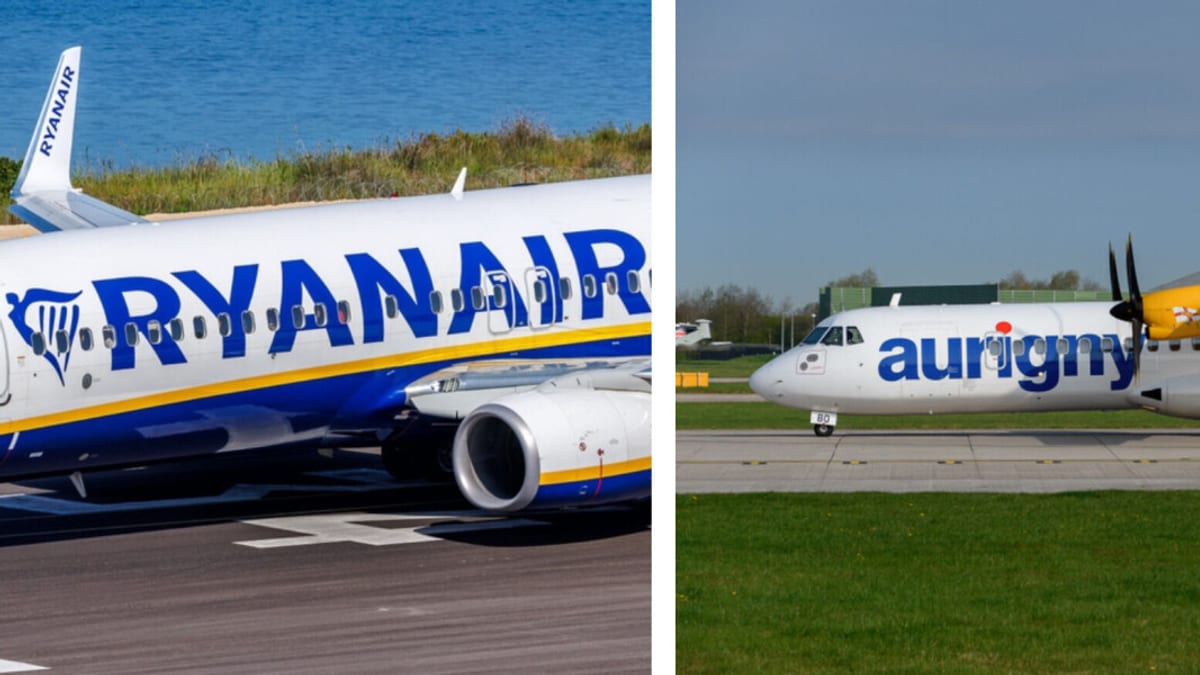
Ryanair flags risks to summer schedule as fuel crisis deepens
Ryanair is signalling that its tightly packed summer schedule could come under pressure if jet fuel disruptions linked to conflict in the Middle East persist into May and June. Public statements from the airline indicate that a portion of its fuel deliveries for the peak season is now considered at risk, forcing planners to model scenarios that include selective capacity cuts and higher fares.
Reports indicate that the budget carrier currently has sufficient hedged fuel to maintain operations in the short term, but management has framed the situation as an “immediate concern” rather than a distant risk. Industry analysis suggests that if a significant share of Middle East exports remains constrained, European hubs could see tighter allocations that push airlines to adjust frequencies and prioritize core routes.
Ryanair has not announced specific route cancellations tied directly to fuel supply at this stage, and flights continue to operate broadly as scheduled. However, the airline is making clear to investors and passengers that its room for maneuver could narrow rapidly if refinery output and shipping flows do not stabilize before the main holiday season.
The warnings come as aviation fuel prices have already climbed, eroding the cost advantage that low fares depend on. Analysts note that even if supply ultimately remains available, sustained price spikes may see airlines consolidating flights with lower demand and trimming fringe services to protect margins.
Aurigny pares back Paris midweek flights and reshapes network
While Ryanair is still talking in terms of potential disruption, Aurigny has already moved to cut some flights in response to the fuel backdrop and softer demand. Publicly available schedules show that most midweek services between Guernsey and Paris have been withdrawn until at least June, significantly reducing direct connectivity from the Channel Islands to the French capital during the spring shoulder season.
Local coverage indicates that the airline is also consolidating services elsewhere, notably by combining flights to Exeter and Bristol to reduce the number of partially filled rotations. The move is presented as a way to contain operating costs at a time when fuel has become a far larger share of the expense base and bookings for May are weaker than a year ago.
For Paris, Aurigny had promoted additional Wednesday flights as part of its network offering, but most of these services are now postponed. Travelers are being re-accommodated on alternative days or routings where possible, yet the net effect is fewer available seats on the route in late spring and early summer.
The adjustments underline the vulnerability of small regional airlines to sudden swings in fuel prices and supply conditions. With a compact fleet and limited spare aircraft, Aurigny has less flexibility than larger competitors when demand patterns shift or operating costs spike.
Fuel supply disruption ripples through European aviation
The pressures on Ryanair and Aurigny are unfolding against a wider backdrop of strain in global oil and jet fuel markets. The war involving Iran and the closure of the Strait of Hormuz have been described by international agencies as the largest single disruption to global oil supply on record, sending ripples through refinery output and tanker logistics.
In Europe, jet fuel supply chains are particularly exposed because many refineries rely on crude and intermediates shipped through the affected waterways. Published analyses warn that several major hubs, including airports in continental Europe and Asia, face elevated risk of supply tightness or rationing in the coming weeks if shipping bottlenecks persist.
For airlines, the immediate concern is less about running out of fuel overnight and more about losing access to flexible, competitively priced supply. Even partial shortages at key hubs could force carriers to tanker extra fuel from other airports, add operational complexity, and reduce payload on longer flights. On short-haul routes, that can translate into trimmed schedules, higher fares, or the suspension of marginal services.
Budget airlines that operate dense point to point networks are especially sensitive to these swings. Their business models rely on high aircraft utilization, rapid turnarounds, and finely tuned capacity planning. Sudden changes in fuel availability or price can quickly render some flights uneconomic, particularly outside major city pairs.
Impact on Channel Islands connectivity and passenger plans
For the Channel Islands, Aurigny’s cuts to parts of its Paris schedule come on top of an already finely balanced connectivity landscape. Guernsey and neighboring islands depend heavily on air links for business travel, tourism and access to mainland services, meaning even small changes in flight frequency can have outsized effects.
Recent seasons have already seen the region grappling with a combination of aircraft availability issues, maintenance delays and changing partner capacity. The latest adjustments linked to fuel costs and demand uncertainty add another layer of complexity for travelers planning spring and early summer trips.
Passengers booked on affected Paris flights are being shifted to different days or advised to consider alternate routings via UK hubs. Travel agents in the region are reporting a rise in enquiries from customers seeking clarity on which services are most likely to operate as scheduled, with many favoring early morning and weekend departures that airlines typically prioritize when trimming schedules.
At the same time, tourism stakeholders are monitoring how reduced midweek capacity might influence visitor numbers from France and mainland Europe. While peak holiday departures may still be broadly maintained, tighter shoulder season schedules can dampen short breaks and business visits that rely on flexible midweek options.
What travelers can expect in the months ahead
With Ryanair highlighting the risk of cancellations if fuel supplies tighten further, and Aurigny already reshaping parts of its network, European travelers heading into the 2026 summer season face a more fluid environment than usual. Industry commentary broadly points to a period of heightened uncertainty in May and June, when the fuel situation and booking trends will crystallize.
For now, airlines are focusing on measures that preserve core connectivity while limiting exposure to loss making flights. That includes consolidating lower demand services, introducing modest surcharges such as Aurigny’s new fuel adjustment, and encouraging passengers to move to fuller flights where possible.
Travelers are likely to see more timetable changes and aircraft swaps as carriers juggle their fleets and fuel allocations. Those flying on thinner regional routes, including smaller island and secondary city services, may be more exposed to short notice adjustments than passengers on major trunk routes between large hubs.
Despite the challenges, most published assessments stop short of predicting widespread shutdowns of European air travel. Instead, the emerging picture is one of selective pressure, with airlines like Ryanair and Aurigny adjusting capacity and pricing in real time as they navigate the most significant fuel shock to hit the industry in years.