

More news on this day
Passengers booking newly relaunched Star and Dream Cruises sailings in Asia are discovering a familiar extra line on their invoices, as fuel surcharges make a return to the region’s short‑haul cruise market.
Get the latest news straight to your inbox!
Brand Revival Brings Back Old Pricing Tools
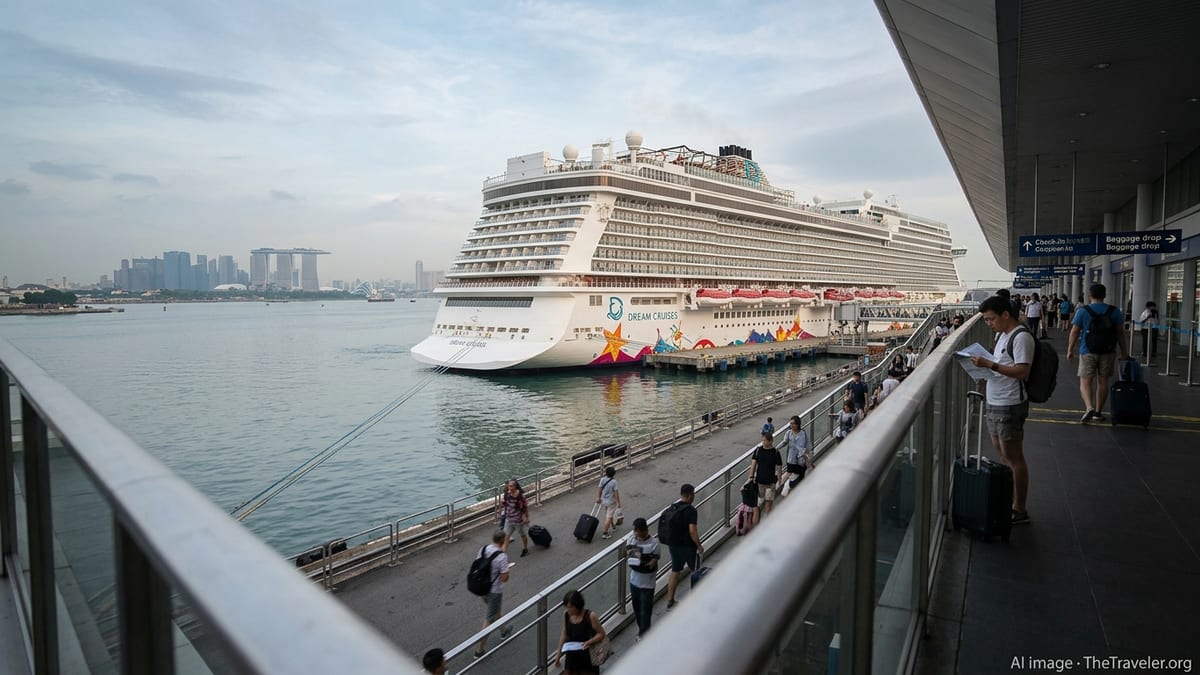
The return of fuel surcharges is emerging just as Star and Dream Cruises re-enter the market under the StarDream Cruises umbrella, following the restructuring of Genting-linked cruise operations in Asia. Publicly available information indicates that Resorts World Cruises, which has been operating the Genting Dream in Singapore and other regional hubs, is in the process of restoring distinct Star and Dream branding for different ships and itineraries.
Recent tariff sheets and booking terms circulating among regional travel agencies show that the rebranded lines retain the contractual right to impose supplemental fuel charges on top of base cruise fares and port fees. While some earlier brochures stressed that no fuel surcharge was in effect at the time of printing, the same documents reserve the option to introduce or reinstate such fees if oil prices cross specified thresholds.
The branding shift back to Star and Dream Cruises coincides with a broader reset in how operators structure their pricing. Rather than advertising an all-in headline fare, the companies appear to be leaning on a layered model in which core cruise prices are supported by a mix of port charges, gratuities, holiday supplements and now fuel-related add-ons.
For travelers who followed the brands through Genting Hong Kong’s collapse and the subsequent restart of operations, the reappearance of fuel language in fine print is a reminder that the new Star and Dream era still carries many of the commercial tools of the past.
How the New Fuel Surcharges Work
The fuel surcharges appearing in Star and Dream Cruises’ itineraries are generally framed as conditional fees that can be activated when benchmark oil or marine fuel prices rise above a certain band. In practice, that means the surcharge does not always apply on every sailing, but remains available to the cruise company whenever fuel markets turn volatile.
Some cruise documents in the region reference caps expressed on a per-guest, per-day basis, often in line with industry precedents where supplements have been limited to around the equivalent of 5 to 10 US dollars daily for the first two passengers in a cabin. Other materials simply note that a fuel surcharge, if imposed, will be collected at prevailing rates at the time of sailing, even if the cruise fare has already been paid in full.
This structure allows Star and Dream Cruises to adjust more rapidly to swings in bunker prices without reissuing brochures or repricing entire seasons. For consumers, however, it introduces an element of uncertainty, since the final cost of a voyage can change between booking and departure depending on fuel markets and company policy.
In some cases, the surcharge is bundled within a wider schedule of “supplements,” grouped alongside port charges, visa handling fees and seasonal holiday premiums. Travel agents report that these line items are increasingly important in explaining to customers why the final invoice exceeds the advertised lead-in fare for popular short itineraries out of Singapore, Hong Kong and other homeports.
Rising Costs and Regional Competition
The move to lean more heavily on fuel surcharges comes against a backdrop of higher operating costs across the cruise industry. Regional and international reports on cruising note that operators are absorbing not just more expensive fuel but also increased wages, stricter environmental regulations and higher financing costs for newer, more efficient vessels.
In Asia, the competitive picture adds another layer of complexity. Star and Dream Cruises are working to re-establish their footprint at the same time that global brands such as Royal Caribbean, MSC Cruises and others expand their deployments in the region. Many of these competitors also reserve the right to add fuel supplements in their terms and conditions, creating a sort of informal benchmark for what passengers may be prepared to tolerate.
Industry coverage suggests that cruise lines are wary of raising base fares too quickly for fear of losing price-sensitive first-time cruisers, particularly on shorter itineraries that compete directly with land-based resorts. Fuel surcharges allow companies to target a specific cost driver without permanently resetting headline prices, even if the effect on the overall bill for passengers may be similar.
For Star and Dream Cruises, which rely heavily on families and group travel from markets such as Singapore, Malaysia, India and Greater China, the challenge will be balancing the need to protect margins with a desire to keep entry-level fares attractive as the brands rebuild recognition.
What Passengers Are Seeing at Booking
Travelers reviewing current Star and Dream Cruises offers are encountering fuel-related language at several stages of the booking journey. In some promotions, sample prices are marked with an asterisk clarifying that port charges, gratuities and potential fuel surcharges are excluded, to be confirmed at the time of final payment. In others, consolidated fee tables outline port and service charges while flagging that additional fuel supplements may apply.
Consumer discussions on cruise and travel forums show that prospective passengers are increasingly aware of these nuances, with some asking agents directly whether a fuel surcharge is currently in effect for specific sailings. Responses often refer back to standard terms that allow the cruise line to impose such a fee at its sole discretion, usually without an accompanying right of cancellation based solely on the introduction of a surcharge.
This environment places a premium on careful reading of fare conditions. Travelers booking multi-cabin family trips or longer regional itineraries are discovering that even modest per-day supplements can add up to a significant amount when multiplied across several guests and nights. For some, that calculation is influencing decisions about cabin categories, onboard spending and the timing of travel during peak and off-peak seasons.
Agents and intermediaries, meanwhile, are updating their own materials to break out fuel surcharges more clearly and to distinguish them from taxes, port fees and discretionary service charges, all of which are treated differently in customer expectations and in marketing regulations in various jurisdictions.
Broader Implications for Cruise Pricing Transparency
The return of explicit fuel surcharges at Star and Dream Cruises feeds into a wider debate about transparency in cruise pricing. Consumer advocates have long argued that separating core fares from mandatory extras makes it harder for travelers to compare value across operators and regions. Cruise companies counter that variable components such as fuel and port taxes are largely outside their control and are more efficiently handled as pass-through charges.
As Asia’s cruise sector emerges from a prolonged period of disruption, the way these costs are framed will help shape passenger perceptions of value. A growing share of customers now book cruises as part of broader fly-cruise packages, meaning that surcharges from airlines and cruise lines can stack together on the same trip. That creates pressure on intermediaries and booking platforms to present a clearer total trip cost earlier in the planning process.
For Star and Dream Cruises, the near-term reality is that fuel surcharges have become one of several levers available to manage profitability in an uncertain cost environment. How visibly and predictably those surcharges are applied may determine whether the brands can maintain the trust of returning guests while still navigating the economic headwinds affecting the entire cruise industry.