

More news on this day
Gatwick has been named the worst airport in the UK for flight delays, with new analysis of Civil Aviation Authority data showing the country’s second-busiest hub recording the longest average waits for departing passengers and fellow London gateway Stansted also ranked in the bottom five.
Get the latest news straight to your inbox!
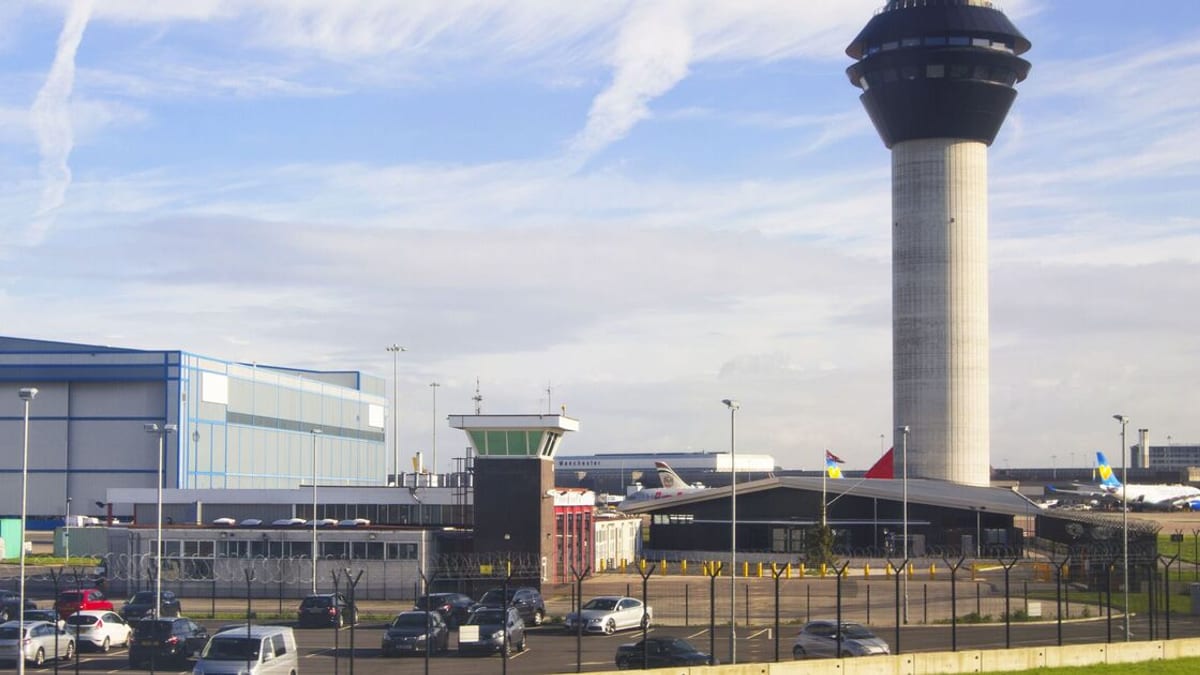
Image by Daily Express
CAA data highlights growing punctuality gap
The latest figures, compiled from Civil Aviation Authority punctuality statistics and analysed by national media, indicate that flights departing Gatwick left on average more than 20 minutes behind schedule over the most recent full year of data. Reports indicate that this is the second consecutive year Gatwick has topped the national table for late departures.
Stansted, one of London’s key low cost hubs, also appears in the five worst-performing airports for average departure delays, alongside other major English airports. The gap between the best and worst performers is relatively small in absolute terms, but analysts note that an extra 8 to 10 minutes on average can significantly affect missed connections and travel plans during peak holiday periods.
Industry observers point out that the CAA data covers routine operations only, excluding extreme weather events or air traffic control failures, which can cause far longer hold ups. That gives a clearer picture of how airports and airlines are coping with the day to day pressures of high passenger volumes and tight schedules.
Consumer groups say the latest rankings reflect mounting frustration among UK travellers, many of whom returned to flying in large numbers after the pandemic only to encounter crowded terminals, long security queues and persistent schedule disruption at key hubs.
Single-runway strain at Gatwick under scrutiny
Gatwick’s position at the bottom of the delay rankings is drawing renewed attention to the structural limits of operating one of Europe’s busiest airports on effectively a single main runway. Publicly available information shows Gatwick handling more than 40 million passengers a year, with aircraft movements heavily concentrated in narrow peak periods.
Aviation specialists note that running such intense traffic on a single primary runway leaves very little slack in the system. Even minor technical issues, short bursts of bad weather or late inbound aircraft can ripple quickly through the day’s schedule and extend average delays for departing flights.
Recent years have also brought high profile episodes that exposed the airport’s vulnerability to disruption, including drone-related closures and knock on delays from wider UK air traffic control problems. While these major incidents are not the main driver of the CAA’s average delay statistics, they have helped cement public perception of Gatwick as a challenging departure point during busy seasons.
At the same time, airlines have been rebuilding capacity aggressively on leisure routes from Gatwick as demand for Mediterranean and long haul holiday flights has surged. This push has added further pressure to runway slots, ground handling teams and terminal facilities.
Stansted’s low cost model faces punctuality test
Stansted’s appearance alongside Gatwick among the worst five UK airports for delays is being closely watched because of the airport’s role as a major base for low cost carriers. Public data shows Stansted ranked among the country’s busiest airports by passenger numbers, driven largely by dense short haul networks.
Low cost operations typically rely on rapid aircraft turnarounds and high utilisation to keep fares down, leaving limited buffers in the daily schedule. When late arrivals, congestion at busy stands or staffing constraints occur, delays can build quickly, particularly in early morning and evening peaks.
Travel industry analysis suggests that while Stansted has invested in terminal and security improvements in recent years, the pace of capacity growth and post-pandemic recruitment challenges have made it harder to keep average delays down. Travellers have increasingly taken to social media to recount experiences of long queues and late departures, reflecting the trends seen in the CAA statistics.
Observers add that Stansted’s predominantly point to point traffic model means missed connections are less of a structural issue than at traditional hubs, but repeated short delays can still undermine confidence among frequent flyers and package holiday customers.
Passengers adapt with new travel strategies
With Gatwick and Stansted both featuring in the bottom tier for punctuality, travel advisers report that passengers are adjusting their plans to reduce the risk of disruption. Many are booking earlier flights in the day, allowing extra time for connections or onward rail journeys in case of schedule slippage.
Some long haul travellers are also choosing alternative airports where viable, particularly for itineraries that involve tight self connected transfers. In parts of south-east England, this has led to greater scrutiny of options from Heathrow, Luton or regional airports for certain routes, even when fares from Gatwick or Stansted appear lower.
Travel insurance providers and consumer advocates are urging passengers to review policy terms carefully, noting that standard products often do not cover missed flights caused by long security lines or modest schedule changes. Instead, they recommend focusing on policies that clearly define delay thresholds and compensation triggers.
Seasoned travellers are also increasingly using real time flight tracking apps and airline notifications to monitor punctuality trends on specific routes and carriers, rather than relying solely on airport level averages when planning important trips.
Industry response and outlook for summer travel
Airports and airlines operating at Gatwick and Stansted have pointed in public statements to a combination of factors behind recent delays, including staffing shortages in ground handling, tighter air traffic control capacity over south-east England and rapid demand recovery after the pandemic.
Industry bodies argue that improving punctuality will require coordinated action, ranging from technology upgrades in air traffic management to better resourced security and border operations. They also highlight ongoing recruitment drives for frontline roles, though training timelines mean that benefits may arrive gradually rather than in a single summer season.
Policy debates continue over long term capacity in the London airport system, with campaigners, local communities and business groups divided on the merits of additional runway infrastructure or further expansion of existing terminals. The persistence of high average delays at Gatwick and the presence of Stansted in the bottom five are likely to feature prominently in those discussions.
For now, the data suggests that travellers using both airports should prepare for a higher risk of schedule slippage than at some regional rivals. With another busy summer approaching, attention will be focused on whether incremental operational changes can begin to shift Gatwick and Stansted away from the bottom of the UK delay league tables.