

From Blue Ridge mountain towns to moss-draped coastal squares and fast-growing Atlanta, Georgia offers an unusually wide slice of the American South in one state. Recent investments in transportation, museums, and major events mean the Georgia you visit in 2026 may look and feel different from just a few years ago. This guide walks you through what to know before you go, from practical logistics and safety to regional highlights and cultural etiquette, so you can plan a trip that fits your interests and budget.
Understanding Georgia and Its Regions
Georgia sits at the crossroads of the American South, bordered by Florida, Alabama, Tennessee, North Carolina, and South Carolina, with the Atlantic Ocean along its southeast coast. The state is roughly divided into several distinct regions that each offer a different style of trip. Atlanta and its suburbs dominate the central north, while the Appalachian foothills and Blue Ridge Mountains rise to the northeast. To the southeast, the coast and barrier islands provide a slower, salt-air escape around cities like Savannah and the Golden Isles.
Atlanta is Georgia’s primary gateway and the center of its cultural and economic life. It has a dense core of neighborhoods like Midtown, Downtown, and Buckhead that anchor museums, major sports venues, and a rapidly evolving dining scene, including several Michelin-recognized restaurants as of 2025. Beyond the city limits, the metro area spills into smaller communities that can work as more affordable bases if you are renting a car.
The Georgia mountains in the northeast are popular with hikers, road trippers, and anyone chasing cooler air in summer. Towns such as Blue Ridge, Dahlonega, and Helen serve as jumping-off points for waterfall hikes, wineries, and mountain cabins. This area is also where the southern end of the Appalachian Trail begins, which draws long-distance hikers along with casual day-trippers.
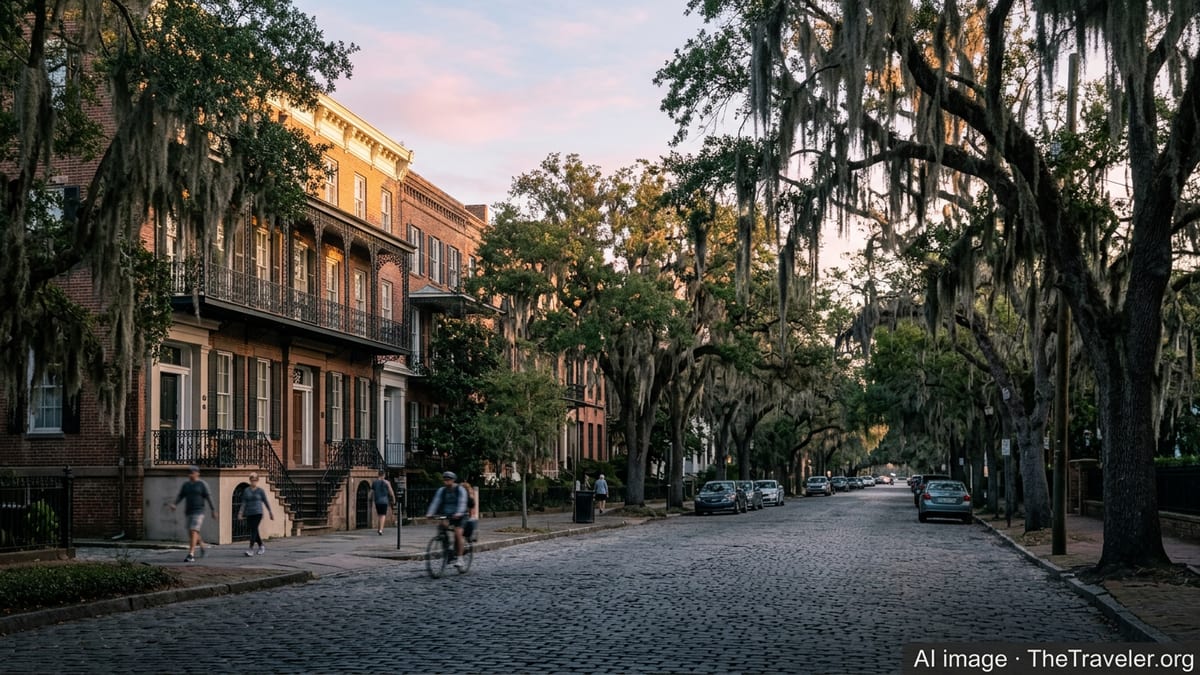
On the opposite side of the state, the coast has a different rhythm entirely. Savannah is known for its Spanish moss, historic squares, and walkable grid, while nearby Tybee Island, St. Simons Island, Jekyll Island, and Cumberland Island offer beaches, bike paths, and maritime forests. St. Simons in particular has drawn new national attention as a laid-back, under-the-radar beach destination, which is likely to increase demand but also expand visitor services.
When to Visit and Weather Considerations
Georgia has a humid subtropical climate, which generally means hot summers, mild winters, and plenty of humidity. Many visitors favor spring and fall, when temperatures are usually more comfortable and the state’s varied landscapes are at their most photogenic. In March and April you will find blooming dogwoods and azaleas from Atlanta’s parks to the coast, while October and early November bring fall color to the mountains and cooler evenings in the cities.
Summer, from roughly June through early September, is hot and sticky across most of the state. Cities can feel especially warm due to concrete and limited shade, and coastal areas add significant humidity. That said, this is when many families travel because of school holidays, and you will find a full calendar of festivals and outdoor events. Sea breezes can make barrier islands feel more bearable than inland cities on the hottest days, while higher-elevation mountain towns will usually be several degrees cooler than Atlanta.
Winter in Georgia is relatively mild compared with much of the United States. In Atlanta and along the coast, daytime temperatures often hover in the cool but comfortable range, though cold snaps and occasional light snow or ice storms can disrupt travel. If your priority is lower prices and fewer crowds in cities like Savannah, winter can be a good option, but be prepared for shorter days and some seasonal closures in smaller beach communities.
Storm and hurricane season in the Atlantic runs from June through November, with the greatest risk to Georgia’s coast typically in late summer and early fall. Direct hits are less common than in some neighboring states, but heavy rain, flooding, and strong winds are still possible. If you are planning a beach vacation during this period, consider flexible booking policies and travel insurance, and keep an eye on weather forecasts as your trip approaches.
Getting There and Around
Most international and many domestic visitors arrive through Hartsfield-Jackson Atlanta International Airport, which consistently ranks among the world’s busiest. The airport is a major hub for a leading U.S. airline and connects to cities across North America, Europe, and beyond. As passenger numbers continue to climb, the airport has raised parking prices sharply as of 2025 and is investing in new parking decks and upgrades, which means driving and leaving a car on-site can be expensive. To avoid those costs, look at public transit, off-site parking, rideshares, or the new shuttle-style services that run between central Atlanta and the airport.
Atlanta’s MARTA rail system connects the airport with several key in-town neighborhoods, including Downtown and Midtown, and can be one of the fastest ways into the city during rush hour. However, system upgrades and station overhauls, such as the ongoing multi-year project at Five Points station in Downtown, may cause service changes, bus detours, or temporary construction noise. Before you travel, check the latest route maps and notices so you are not surprised by closed entrances or revised timetables.
Outside the Atlanta core, Georgia is primarily a driving state. While regional bus networks such as Xpress are being reworked to better match current commuter patterns beginning in mid-2025, service can still be limited if you want to explore small towns, state parks, or wineries. Renting a car offers the most flexibility for visiting the mountains, touring historic small towns, or stringing together a coastal road trip from Savannah to the Golden Isles. Keep in mind that rural roads may be dark at night and can be winding in mountain areas, so plan to do most of your longer drives during daylight.
Within cities, rideshares and taxis supplement public transit and can be practical if you are staying mostly in urban neighborhoods. In Savannah, the compact historic district is best explored on foot, with occasional short rides to reach outlying neighborhoods or Tybee Island. On barrier islands like St. Simons or Jekyll, biking and walking are common and enjoyable ways to get around once you arrive, which can reduce your need to use a car every day.
Safety, Health, and Practical Tips
Overall, Georgia is considered a reasonably safe destination for visitors, with crime more concentrated in specific urban neighborhoods and largely avoidable with standard precautions. Petty theft such as car break-ins can occur in city centers and tourist hotspots, especially late at night or in isolated parking lots. Do not leave valuables in your vehicle, pay attention to your surroundings, and favor well-lit, busier streets after dark. In larger cities, ask hotel staff which nearby areas are best avoided late at night, and rely on rideshares if you feel uncomfortable walking.
Weather-related safety is more likely to affect your plans than crime. In summer, heat and humidity can be intense, particularly in cities and low-lying coastal areas. Carry water, wear light clothing, and pace yourself if you are sightseeing outdoors for long stretches. In the mountains, remember that weather can change quickly, and thunderstorms are common in the warm months. If you are hiking, check trail conditions, let someone know your plans, and leave yourself enough daylight to return before dark.
Health care options are good in Atlanta and regional centers, with major hospitals and urgent care clinics. In rural areas, facilities can be farther apart, so carry basic medications and any prescriptions you need. Mosquitoes and ticks are part of life in Georgia, especially in warmer months and wooded or marshy areas. Pack insect repellent, wear long sleeves and pants for hikes, and check for ticks after spending time in tall grass or forests. If you have allergies, be aware that pollen counts in spring can be very high and may aggravate symptoms.
For payments, credit and debit cards are widely accepted in hotels, restaurants, and most shops, including contactless methods in metro areas. You may still want some cash for small-town diners, farmers markets, or parking meters in certain communities. Mobile coverage is generally strong along major highways, in cities, and in popular tourist areas, though it can be patchy in some mountain valleys or remote coastal spots, so download offline maps if you will be driving in rural regions.
Top Cities and Experiences Across the State
Atlanta offers enough to fill several days, especially if you are interested in history, culture, and sports. Major attractions range from a top-ranked aquarium and botanical garden to the National Center for Civil and Human Rights, which is undergoing a significant expansion scheduled to reopen with new galleries and enhanced exhibits. The city’s food and drink scene has been gaining national and international attention, and by 2025 Atlanta leads the Southern region in one-star Michelin restaurants, alongside a growing list of recommended and Bib Gourmand venues that showcase both high-end tasting menus and more casual neighborhood staples.
Savannah is the state’s most atmospheric city, with a historic district laid out around leafy squares and lined with restored townhouses, churches, and cobblestoned lanes. Visitors often split their time between wandering on foot, touring historic homes, and sampling Lowcountry cuisine in restaurants that spill out onto shaded courtyards. Evenings can be lively, especially around the riverfront and popular nightlife streets, but the city retains a slower pace than Atlanta, particularly during the shoulder seasons.
Along the coast, Georgia’s Golden Isles and nearby barrier islands each have their own character. St. Simons Island, now widely recognized as one of the country’s most underrated beach destinations, offers long stretches of sand, bike paths under live oaks, golf courses, and historic sites such as a colonial-era fort. Neighboring Jekyll Island feels quieter and more planned, with a mix of historic cottages, modern resorts, and wide beaches. Farther south, Cumberland Island is mostly protected as a national seashore and is accessible only by boat, rewarding those who make the effort with wild horses, unspoiled maritime forests, and miles of undeveloped shoreline.
Inland, Georgia’s small towns and rural landscapes carry much of the state’s charm. College towns such as Athens blend local music and art scenes with historic neighborhoods and leafy campuses. Mountain communities like Blue Ridge and Dahlonega cater to hikers, anglers, and winery visitors, with cabin rentals and bed-and-breakfasts that make easy weekend escapes from Atlanta. Throughout the state, you will find local festivals celebrating everything from music and film to crafts and seasonal blooms, especially during spring and fall.
Culture, Etiquette, and Local Flavor
Georgia is deeply rooted in Southern culture, but it is also shaped by rapid growth, immigration, and a steady influx of newcomers. In major cities, you will encounter a mix of long-time locals and transplants from across the United States and abroad, which creates a diverse but still distinctly Southern atmosphere. People tend to be polite and conversational, and it is common to exchange brief greetings with strangers in elevators, on sidewalks, or inside shops. A friendly “hello” or “good morning” will usually be reciprocated and appreciated.
Hospitality is a point of pride, and visitors who show patience and respect for local customs are often met with extra warmth. Take your time during interactions, avoid raising your voice in disagreement, and be mindful of local sensitivities around topics such as politics and history. When visiting sites connected to the civil rights movement or older monuments, read interpretive signage and follow guidance from staff, as many places are actively reinterpreting their narratives to address a broader range of experiences.
Food is one of the easiest and most enjoyable ways to connect with Georgia’s culture. Expect to encounter traditional Southern plates such as fried chicken, biscuits, collard greens, and peach desserts, alongside Lowcountry classics like shrimp and grits near the coast. In Atlanta and other larger cities, you will also find a wide range of global cuisines, from Korean barbecue and Vietnamese pho to West African and Caribbean restaurants that reflect newer immigrant communities. Farmers markets and roadside stands are common in season, selling local peaches, pecans, and other produce.
Tipping practices mirror those in the rest of the United States, with around 15 to 20 percent customary at sit-down restaurants, a few dollars for bar staff or hotel housekeepers, and small tips for rideshare drivers or guides. Casual dress is widely accepted, especially in the heat, though business districts and upscale restaurants may lean slightly more formal in the evenings. On the coast and in resort areas, beachwear is fine at the pool or on the sand, but cover-ups and shirts are expected in town centers and indoor spaces.
Budgeting, Accommodation, and Trip Planning
Georgia can be as affordable or as expensive as you make it, depending on when and where you travel. Atlanta and Savannah command the highest hotel prices, especially during major events and peak seasons such as spring weekends in Savannah or big sports tournaments in Atlanta. New boutique properties are opening in both cities, including mid-century-inspired hotels in downtown Savannah and refreshed business hotels near Atlanta’s airport and convention centers, which may provide more choices at different price points.
In general, you will find the best hotel rates midweek outside of peak conference and festival dates, and in shoulder seasons such as late winter or early summer. Beach towns and mountain communities often follow school holiday patterns, with sharper weekend and summer spikes. Vacation rentals and cabins are common in the mountains and along the coast, but popular areas may enforce rules on occupancy, parking, and noise, so read property guidelines carefully and be considerate of year-round residents living nearby.
Food and activity costs vary widely. In Atlanta, you can splurge on multi-course tasting menus at Michelin-starred restaurants or keep things more modest with food halls, barbecue spots, and neighborhood diners. Many museums and attractions offer discounted tickets for children, students, or seniors, and some public gardens, historic sites, and parks are free or have low entry fees. In smaller towns, prices for meals and lodging can be significantly lower than in the major cities, which makes road trips a good value if you are comfortable driving.
When planning, think in terms of regions rather than trying to crisscross the entire state in a short trip. A common first-time approach is to spend several days in Atlanta, then choose either the mountains or the coast for a contrasting second base. If you have more time, you can create a loop that connects Atlanta, the northeast mountains, and Savannah with a final stop on the islands. Build in buffer time around big-city arrivals and departures, especially if you are flying through Atlanta, to account for traffic, airport crowds, and any transit or construction-related delays.
The Takeaway
Georgia’s appeal lies in its variety. Within a single trip, you can experience a global city with a rising culinary scene, a waterfront lined with historic facades, and a secluded beach backed by maritime forest. Ongoing investments in infrastructure, cultural institutions, and major sports events are reshaping the state’s largest cities, while smaller towns and coastal communities continue to emphasize relaxed, local experiences.
To get the most from your visit, match your itinerary to the seasons, be realistic about driving distances, and allow time to slow down, whether that means lingering under live oaks in Savannah, watching a sunset over the Blue Ridge Mountains, or catching a game in Atlanta. With a bit of advance planning, an eye on current transit and airport updates, and a willingness to explore beyond the main tourist strips, Georgia can be both an accessible introduction to the American South and a place you will want to return to as it continues to evolve.
FAQ
Q1. Do I need a car to visit Georgia?
Having a car is not essential if you are staying only in central Atlanta or Savannah, where walking, public transit, and rideshares work well, but it becomes very helpful if you plan to explore the mountains, small towns, or barrier islands, where public transportation is limited.
Q2. What is the best month to visit Georgia?
Many travelers prefer April, May, October, or early November, when temperatures are usually milder, humidity is lower than in midsummer, and landscapes are either in full bloom or autumn color.
Q3. Is Georgia safe for solo travelers?
Yes, Georgia is generally safe for solo travelers who follow normal precautions, such as avoiding poorly lit areas at night, keeping valuables secure, and staying aware of their surroundings in busy urban districts and tourist hotspots.
Q4. How many days should I spend in Atlanta?
Plan on at least two to three full days in Atlanta to see a mix of major attractions, explore a couple of neighborhoods, and sample the city’s dining scene without feeling rushed, especially if you are adjusting to a new time zone.
Q5. Can I combine Atlanta and Savannah in one trip?
Yes, combining Atlanta and Savannah is common, as they are roughly a four-hour drive apart, and many visitors spend several days in Atlanta before heading to Savannah and possibly adding a nearby island stay.
Q6. Are Georgia’s beaches warm enough for swimming?
Water temperatures along Georgia’s coast are typically comfortable for swimming from late spring through early fall, though early season can feel cool on windy days and late summer can bring stronger sun and higher humidity.
Q7. What should I pack for a summer trip to Georgia?
For summer, pack lightweight, breathable clothing, comfortable walking shoes or sandals, sun protection such as a hat and sunscreen, insect repellent, and a light layer for heavily air-conditioned indoor spaces.
Q8. Is it easy to find vegetarian or vegan food in Georgia?
In Atlanta, Savannah, and larger college towns, vegetarian and vegan options are increasingly common at both dedicated restaurants and mainstream spots, while in smaller towns choices may be more limited but you can usually find simple plant-based dishes or sides.
Q9. Do I need travel insurance for a trip to Georgia?
Travel insurance is not required but can be wise, especially if you are flying, booking nonrefundable stays, or visiting during hurricane season when weather disruptions along the coast are more likely.
Q10. Are there any major events in Georgia I should plan around?
Yes, Atlanta regularly hosts large sports tournaments, concerts, and festivals, while coastal cities and mountain towns hold seasonal events; these can add energy and special activities but also higher prices and limited availability, so check event calendars when choosing your dates.