

The American South offers two heavyweight destinations for travelers deciding where to spend their next vacation: Georgia and Florida. Both promise warm weather, rich history, renowned food, and access to the Atlantic coast, yet they deliver very different styles of escape. Whether you are weighing theme parks against mountain trails, or debating Miami’s nightlife versus Savannah’s squares, understanding how these neighbors compare can help you choose the right state for your travel style, season, and budget.
Overall Vibe and First Impressions
Despite sharing a border, Georgia and Florida feel strikingly different the moment you arrive. Georgia leans into a slower, more layered Southern experience built around historic cities, small towns, pine forests, and Appalachian foothills. Visitors often talk about Georgia’s sense of place: brick-lined squares in Savannah, Atlanta’s neighborhoods with murals and music, and quiet barrier islands that still feel largely untouched. That mix gives Georgia a broad but understated appeal, especially for travelers who like culture and scenery as much as classic sightseeing.
Florida, by contrast, is built around big, high-energy vacations. Theme parks, waterfront skylines, and resort-lined beaches dominate the image of the state. Many visitors first know Florida through Orlando’s attractions or Miami’s nightlife, and only later branch out to quieter Gulf Coast communities, the Keys, or the interior springs. The feeling is more overtly vacation focused, with infrastructure geared heavily toward short stays, families, and snowbirds escaping winter.
In terms of tourism scale, Florida remains one of the most visited places in the United States, with well over 100 million visitors annually, driven heavily by theme parks and beaches. Georgia has been closing the gap as a rising powerhouse. State tourism officials report the state welcoming more than 170 million domestic and international visitors in 2024, a record that underscores how quickly Georgia has grown into a top-tier destination in its own right. Both states can feel busy in peak seasons, but the character of that busyness differs: concentrated around attractions in Florida, more evenly spread between cities, countryside, and coast in Georgia.
For travelers choosing purely on “feel,” Georgia tends to attract those who like a blend of culture and nature with less spectacle, while Florida is the obvious choice if your ideal trip centers on beaches, pools, and high-adrenaline fun.
Beaches and Coastline Experiences
Florida’s beaches are famous for a reason. With long stretches of sand along both the Atlantic and the Gulf of Mexico, the state offers every kind of shoreline, from the party atmosphere of Miami Beach to quieter barrier islands along the Gulf Coast. On the Atlantic side, areas around Daytona Beach, Cocoa Beach, and the Space Coast offer wide, wave-friendly beaches that appeal to surfers and families. The Gulf side is known for softer, often whiter sands and calmer water, drawing travelers looking for gentle swimming, sunsets, and shell hunting.
Florida’s coast is also where travelers encounter some of the state’s environmental complexities. Natural factors such as seasonal hurricanes and red tide events can affect water quality and beach conditions, especially along parts of the Gulf Coast. Red tide, a type of harmful algae bloom, can occasionally bring fish kills and respiratory irritation along affected shorelines, which in turn may impact local tourism and outdoor activities for stretches of time. Most visitors never encounter major disruptions, but flexible plans and checking local advisories are wise for beach-focused trips.
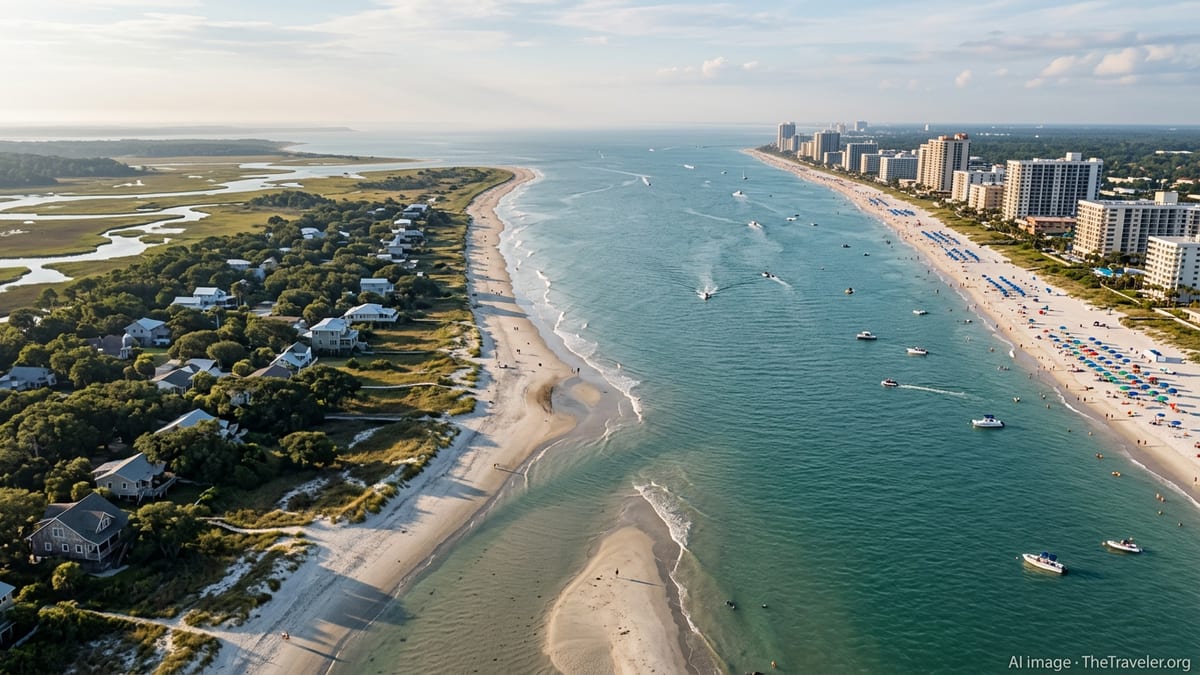
Georgia’s coast is shorter but has a distinct, often quieter character. The state’s barrier islands, including Tybee, St. Simons, Jekyll, and Cumberland, are framed by marshes, live oaks, and more muted development than many parts of coastal Florida. Beaches here tend to feel calmer and less commercial, with more emphasis on wildlife, tidal creeks, and cycling under moss-draped trees. While Georgia cannot match Florida’s sheer variety or tropical feel, it provides a more low-key, nature-forward coastal experience that many travelers find more relaxing.
When it comes to choosing between the two, travelers who want warm water nearly year-round, abundant beachfront lodging, and a wide range of activities will be better served by Florida. Visitors who prefer quieter beaches, lower-rise development, and pairing seaside time with historic towns like Savannah may lean toward Georgia’s coast.
Cities, Culture, and Nightlife
Both states offer distinctive urban experiences, but they express Southern culture in different ways. In Georgia, the twin anchors are Atlanta and Savannah. Atlanta is a major metropolitan hub with a strong music scene, civil rights history, an expanding culinary landscape, and big-ticket attractions. It feels modern and fast paced, with dense neighborhoods, professional sports, and an arts calendar that can anchor an entire trip. Savannah, by contrast, leans into cobblestone streets, leafy squares, and preserved architecture, offering a walkable historic district and a slower tempo that appeals to couples, history buffs, and design lovers.
Florida’s urban identity is more fragmented yet intensely recognizable. Miami stands out for its combination of beaches, nightlife, and international flavor. Visitors come for South Beach’s Art Deco architecture, Latin American influences, and a dining and nightlife scene that runs late into the night. Orlando is less about urban texture and more about being the global capital of theme parks, with resorts and attractions that dominate the landscape. Tampa, St. Petersburg, Jacksonville, and smaller coastal cities add to the urban mix, often with walkable districts, waterfront promenades, and expanding food scenes.
On cultural depth, Georgia arguably offers more concentrated history in its core cities, from museums and memorials linked to the civil rights movement to restored historic homes and town squares. Street art, film locations, and music heritage also contribute to Atlanta and Savannah’s draw. Florida, meanwhile, shines in contemporary culture, especially in Miami’s galleries, art districts, and festivals, and in Orlando’s entertainment-first approach which is less about history and more about spectacle.
Nightlife is where the contrast sharpens. Miami and Orlando’s resort zones are famous for clubs, rooftop bars, and late-night energy, while parts of Tampa and St. Petersburg have burgeoning bar districts. Georgia offers a more moderate but still appealing nightlife scene, with rooftop bars in Atlanta, speakeasy-style venues, and a strong live music tradition. Savannah adds charm with its open-container historic district and riverside bars, though evenings tend to end earlier than in Florida’s party capitals.
Outdoor Adventures, Nature, and Wildlife
For travelers who choose destinations based on hiking trails, waterfalls, and wildlife, Georgia offers a compelling advantage. The state stretches from the edge of the Atlantic to the southern reaches of the Appalachian Mountains, creating striking geographic variety. North Georgia features mountain towns, state parks, and sections of the Appalachian Trail, with hiking, waterfall chasing, and cabin stays that feel far removed from coastal humidity. In central and southern Georgia, travelers can explore lakes, blackwater swamps, and longleaf pine forests, often with fewer crowds than similar destinations in other parts of the country.
Florida’s outdoor experiences are different but equally significant. The state’s defining natural landscapes include subtropical wetlands, mangrove forests, and clear freshwater springs. Visitors can kayak through cypress tunnels, snorkel in crystal springs with manatees during cooler months, or explore boardwalks and airboat tours in vast wetland regions. Birdlife is abundant along coasts and inland marshes, and the chance to see alligators, dolphins, and sea turtles in the wild remains a major draw. Many of these experiences are accessible within short drives of major tourist hubs, making them easy day trips.
Weather is another consideration. Florida’s low elevation and subtropical climate create hot, humid summers with frequent afternoon storms and an active hurricane season. Winters, however, are mild and often ideal for outdoor activities. Georgia’s climate is more varied; summers can be hot and humid in much of the state, but mountain regions offer cooler temperatures, especially in the evenings. Spring and autumn in Georgia are particularly pleasant, with wildflowers in the mountains and colorful foliage that Florida largely lacks.
Travelers who prioritize mountain scenery, fall color, and long forest hikes are more likely to feel at home in Georgia’s parks and preserves. Those who dream of paddling mangrove tunnels, spotting manatees, and swimming in natural springs will find Florida’s ecosystems uniquely memorable. In both states, guided tours, state parks, and outfitters make it straightforward for visitors of all experience levels to get outside safely.
Costs, Crowds, and Practical Considerations
Budget and crowd levels are often the decisive factors when weighing Georgia against Florida. Overall, Florida’s most visited areas, particularly major theme parks and popular coastal corridors, can be significantly more expensive than comparable experiences in Georgia. Resort pricing, park tickets, and restaurant costs in Orlando and Miami routinely rank among the highest in the region. Travelers who stay away from peak seasons and opt for smaller Gulf or Atlantic communities can moderate those expenses, but the most famous attractions command premium rates.
Georgia, while far from a budget-only destination, generally offers more moderate pricing on lodging and dining outside a few high-demand events and weekends. Mid-size cities and small towns often feature independent hotels, inns, and vacation rentals at lower price points than similar properties in Florida’s marquee destinations. Attractions tend to be less ticket-driven and more centered on public spaces, state parks, and neighborhood exploration, which can keep daily costs manageable for families and long-term travelers.
Crowds present a similar contrast. Florida’s headline experiences, including world-famous theme parks and top-ranked beaches, can feel extremely busy in school holidays, winter high season, and spring break. Planning strategies like visiting midweek, booking timed entries where available, and choosing shoulder-season dates can improve the experience, but travelers who are sensitive to crowds may find some areas overwhelming. Georgia’s most popular spots, such as Savannah’s historic district or certain mountain trails on fall weekends, can also draw heavy visitor numbers, but congestion is typically more localized and easier to avoid with small itinerary adjustments.
Another consideration is travel logistics. Florida is designed around tourism, with multiple major airports, extensive resort transportation options, and a high density of rental car fleets. Getting around often means driving or using ride-hailing services, especially in spread-out metropolitan areas. Georgia’s network centers on Atlanta’s major international airport, one of the busiest in the world, with good connectivity to the rest of the state by car. Smaller airports and regional connections serve coastal and mountain areas, but many visitors still choose to self-drive for flexibility.
Best Time to Visit and Seasonal Trade-offs
Choosing between Georgia and Florida often comes down to timing, as each state shines in different seasons. Florida is a classic winter escape, with warm temperatures that draw visitors from colder climates between late fall and early spring. Coastal areas and central Florida’s attractions are typically most pleasant from roughly November through April, when humidity and storm risks are lower and daytime highs feel comfortable for both beach time and theme park touring. The downside is that this is also peak season, especially around holidays, leading to higher prices and larger crowds.
Summer in Florida brings long, hot, humid days and a greater likelihood of afternoon thunderstorms and tropical systems. Families tied to school calendars still flock to the state at this time, but travelers who are heat-sensitive or who want long, dry hiking days may find conditions challenging. Shoulder seasons in late spring and early fall can offer good value, though travelers should remain aware of the June to November hurricane season.
Georgia has a more four-season feel. Spring brings blooming azaleas in cities like Savannah and mild days in the mountains, making it a popular time for road trips, garden tours, and outdoor festivals. Summer can be hot and humid in lowland areas, but mountain destinations offer cooler temperatures and lake escapes. Autumn is one of Georgia’s strongest selling points: fall color in the north of the state, harvest festivals, and comfortable hiking weather all combine to make October and early November particularly appealing. Winters in most of Georgia are relatively mild but can be cool and rainy, with occasional light snow at higher elevations.
From a seasonal planning perspective, travelers looking for a winter getaway with beach time and pool days are more likely to favor Florida. Those who want a classic spring or fall road trip, with changing leaves or flowering squares, often find Georgia more rewarding. Timing your visit to shoulder seasons in either state can help balance crowd levels and costs, but the ideal window depends heavily on your tolerance for heat and your preferred activities.
Who Should Choose Georgia vs Who Should Choose Florida
When all factors are considered, the best choice between Georgia and Florida comes down to your travel priorities. Families with children who dream of theme parks, pool days, and character breakfasts are generally better served by Florida. The concentration of large-scale attractions, family-friendly resort infrastructure, and year-round warm weather makes it hard to beat for multi-generational trips and milestone celebrations. Couples who enjoy nightlife, luxury hotels, and high-end dining in a beach-city environment will also often gravitate toward Florida’s coastal hubs.
Travelers more interested in a mix of history, food, and quieter landscapes may feel more at home in Georgia. The combination of a major metropolitan center in Atlanta, the romantic architecture of Savannah, and accessible mountain and coastal regions creates varied itineraries without constant resort-style environments. Road trippers, photographers, and travelers who enjoy slower-paced exploration often praise Georgia for its sense of authenticity and the ease of connecting cities with small towns and natural sites.
Budget-conscious travelers and digital nomads may also favor Georgia for longer stays. With more moderately priced lodging outside the most visible tourist corridors and a strong base of independent coffee shops, co-working spaces, and neighborhood restaurants in Atlanta and other cities, it can be easier to settle into a routine. Florida certainly has similar pockets, especially in mid-size cities and less-touristed beach towns, but the gravitational pull of high-cost resort areas can drive up trip budgets quickly.
The ideal solution for travelers with time and flexibility may be to see both states on a single journey, using Atlanta or Jacksonville as entry points and combining Georgia’s mountains or historic cities with a Florida beach stay. For many visitors, the contrast between the two states in a single trip becomes part of the appeal.
The Takeaway
Deciding whether Georgia or Florida is the better destination is less about which state is objectively superior and more about what kind of trip you want. Florida excels at big, sun-drenched vacations built around beaches and theme parks, with a tourism infrastructure honed for ease and variety. Its downsides tend to be higher prices in marquee areas and the potential for environmental disruptions on certain coastlines during specific seasons.
Georgia, on the other hand, offers a more varied landscape in a compact package: major cities with deep cultural roots, a distinctive historic coast, and true mountain terrain within a day’s drive. It frequently delivers better value for travelers willing to trade all-inclusive resort convenience for a mix of urban neighborhoods, small towns, and parks. For visitors who crave character, history, and diverse scenery without constant crowds, Georgia has become a standout choice.
Ultimately, the “better” destination depends on your priorities. If you imagine your ideal trip as a string of beach days, water activities, and high-energy attractions, Florida is likely to win. If you picture strolling shaded squares, hiking to waterfalls, and sampling regional food in evolving cities, Georgia may be the more satisfying option. Both states reward repeat visits in different seasons, and many travelers find that alternating between the two offers the best of the Southern United States.
FAQ
Q1. Which state is better for a first-time visitor to the American South, Georgia or Florida?
For a first trip focused on iconic Southern imagery, Georgia often provides a more traditional introduction with historic cities and varied landscapes. Florida works best for visitors whose top priorities are beaches and theme parks rather than historic neighborhoods and mountain scenery.
Q2. Is Georgia or Florida more budget friendly for families?
Georgia is generally more affordable, especially outside peak holiday periods and in smaller cities or towns. Florida can become expensive in major resort areas and theme park zones, though careful planning and staying in less famous beach communities can help control costs.
Q3. Which state has better beaches, Georgia or Florida?
Florida offers more extensive and varied beaches, with both Atlantic and Gulf coastlines and a wide choice of resort areas. Georgia’s beaches are fewer but quieter and more nature oriented, appealing to travelers who prefer low-rise development and calmer coastal settings.
Q4. When is the best time of year to visit Georgia?
Spring and autumn are typically the most comfortable times, with blooming landscapes in March and April and colorful foliage in October and early November. Summer can be hot and humid, especially away from the mountains, while winters are generally mild but less predictable.
Q5. When is the best time of year to visit Florida?
Late fall through early spring usually offers the most pleasant combination of temperatures and humidity, especially for outdoor activities and theme parks. Winter and major holidays are also peak travel periods, so travelers seeking lower prices and fewer crowds often favor shoulder seasons.
Q6. Which state is better for outdoor adventures beyond the beach?
Georgia is stronger for mountain hiking, waterfall trails, and fall foliage, while Florida excels in subtropical experiences like paddling through mangroves, exploring wetlands, and swimming in natural springs. The better choice depends on whether you prefer forested hills or water-centered ecosystems.
Q7. Are Florida’s environmental issues, like red tide, a major concern for travelers?
Red tide and similar events are typically localized and seasonal, but they can temporarily affect certain Gulf Coast beaches, leading to poor air quality and fish kills. Most travelers are unaffected, yet it is sensible to check local beach and health advisories before and during a coastal trip.
Q8. Which state offers a richer sense of history and traditional Southern culture?
Georgia usually provides a deeper dive into historic architecture, civil rights history, and traditional town planning through places like Atlanta and Savannah. Florida has important historic sites as well, but many of its most visited areas emphasize modern resort and entertainment experiences.
Q9. Is it easy to combine Georgia and Florida in one itinerary?
Yes, combining the two is straightforward since they share a long border and have good highway connections. Many travelers fly into a major hub such as Atlanta or a Florida airport and drive to link Georgia’s mountains or historic cities with a Florida beach stay.
Q10. For travelers who dislike crowds, which state is the better choice?
Georgia often feels less crowded overall, especially in mountain regions and smaller coastal communities. In Florida, avoiding the busiest theme parks, choosing less famous beach towns, and traveling outside peak school holidays can still deliver a relatively relaxed experience.