

More news on this day
Crete’s luxury hotel market is accelerating into 2026 on the back of targeted strategies for Germany, with properties such as Alexander Beach Resort leaning on transparency and quality upgrades to capture a record-spending wave of visitors.
Get the latest news straight to your inbox!
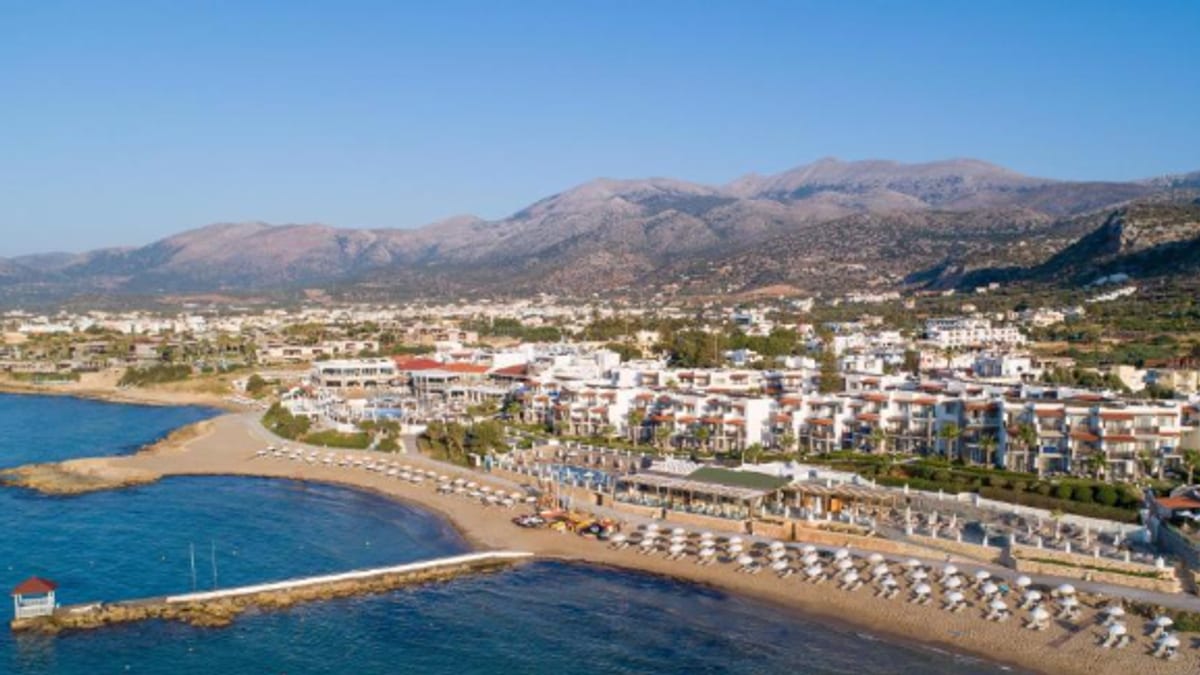
Image by Travel And Tour World
German Demand Sets the Pace for Crete’s High-End Growth
Recent tourism data show Germany consolidating its role as Greece’s most valuable feeder market, with Crete emerging as one of the main beneficiaries. Studies on 2024 and 2025 performance indicate that German travelers deliver both high volumes and above-average per-visitor spending, helping the island outperform most other Greek regions in revenue terms even as overall European tourism growth begins to normalize.
On Crete specifically, publicly available figures suggest that German arrivals have risen sharply since 2023, with double-digit growth in both visitor numbers and overnight stays. At Heraklion Airport, one of Greece’s busiest gateways, Germany consistently ranks among the top origin countries by seat capacity and arrivals, underpinning hotel occupancy from April into late autumn. Industry analyses highlight that German guests are staying longer, often choosing four and five star beach resorts and generating a steady flow of premium all-inclusive and half-board bookings.
These dynamics have encouraged Cretan hoteliers to refine what many describe as a “Germany-first” commercial approach. Tour operator contracts, direct digital campaigns in German-speaking markets and participation in trade fairs in Berlin, Munich and Hamburg have become cornerstones of high-end strategy. For luxury operators, the objective is to secure early-season commitments from German travelers, smoothing cash flow and allowing investments in renovations and new services ahead of the 2026 season.
Market observers note that this orientation is not without risk, as Germany’s economy has faced periods of weak growth and inflation. Yet, so far, booking data for 2025 and early 2026 show resilience at the upper end of the market, suggesting that higher-income German travelers continue to prioritize Mediterranean beach holidays and are willing to pay a premium for quality, clarity and reliability.
Crete’s Luxury Pivot Intensifies Ahead of 2026
The broader context for Alexander Beach Resort’s strategy is an island-wide tilt toward upscale tourism. Reports on Crete’s hotel pipeline point to a concentration of investment in the four and five star segment, with new openings and renovations clustered along the north coast and in established luxury enclaves. Analysts tracking the market describe a phase where capacity is not only expanding but also shifting upward in category, as midscale properties seek repositioning to capture higher-yield demand.
Luxury-focused tour operators have already signaled that Crete is evolving into one of the Mediterranean’s core high-end destinations. Industry coverage from major trade shows in Europe identifies the island as a standout for premium all-inclusive resorts, private-pool suites and villa-style accommodations embedded within larger complexes. The appeal is strengthened by Crete’s diversified product mix, from beach and wellness holidays to gastronomic experiences and cultural excursions, which aligns closely with the preferences of well-off German travelers.
Data from tourism observatories on the island show that a growing majority of visitors in Western and Northern Crete choose four and five star hotels, reflecting both supply and demand shifts. Satisfaction surveys indicate that most guests consider they receive good value for money, even as room rates and local costs rise. This perceived value is particularly important for German travelers, who are increasingly sensitive to price transparency, resort inclusions and the overall quality of service.
Looking ahead to 2026, forecasts compiled by Greek and European market researchers suggest continued growth in Crete’s luxury segment, though at a more measured pace than the immediate post-pandemic surge. Hoteliers are therefore under pressure to differentiate beyond simple hardware upgrades, emphasizing trust, clear communication and authentic experiences as key components of their competitive positioning.
Alexander Beach Resort Bets on Transparency and Quality
Within this shifting landscape, Alexander Beach Resort on Crete’s north coast illustrates how established properties are recalibrating for the German market. Publicly available descriptions of the resort emphasize its beachfront setting, extensive pools and a mix of family-friendly and adult-oriented facilities, positioning it squarely within the island’s competitive five star bracket. To stand out in a crowded field, the resort’s 2026 strategy centers on deeper product clarity and visible quality enhancements rather than headline-grabbing expansion alone.
Information shared across tour operator fact sheets and travel platforms highlights a focus on spell-out inclusions, detailed room descriptions and clearer distinctions between board types. This level of transparency is designed to reduce booking friction for German guests, who often book months in advance and compare minute differences between similar properties. By making pricing structures, room categories and on-site services easier to understand, Alexander Beach Resort aims to reinforce trust and minimize post-arrival surprises.
Quality upgrades form the second pillar of the resort’s positioning. Public materials describe recent refurbishments in selected room blocks, refreshed public areas and an expanded wellness offering that taps into the growing demand for spa and health-related services among German visitors. Food and beverage programming is also receiving attention, with more emphasis on regional Cretan cuisine and locally sourced products that resonate with travelers seeking authenticity alongside comfort.
Industry observers view these moves as emblematic of a wider shift among Cretan luxury hotels, where “soft” elements such as service consistency, environmental standards and communication are increasingly important differentiators. For Alexander Beach Resort, the bet is that German guests will reward clearly communicated value and visible service improvements with repeat stays and positive word-of-mouth in a market where reviews and guest ratings strongly influence booking behavior.
German Booking Patterns Reshape Seasonality and Investment
German travel behavior is also altering the temporal shape of Crete’s luxury market. Research on Greece’s tourism seasonality points to a gradual extension of the season into spring and autumn, with German visitors among the groups most likely to travel outside the traditional July and August peak. Data on passenger flows through Heraklion show record volumes in shoulder months, helping upscale resorts maintain healthier occupancy and rate levels for longer periods each year.
For operators like Alexander Beach Resort, this trend supports investment in facilities that can operate profitably from early April to late October, including heated pools, all-weather dining spaces and wellness areas that remain attractive in cooler months. Longer operating windows, in turn, justify staffing models that prioritize training and retention, which is particularly relevant to German guests who often return to the same property and value familiar faces and consistent service.
Investment reports on Crete’s real estate and hospitality sectors point to rising prices for coastal land and resort assets, a pattern partly linked to strong German demand for both holiday stays and second homes. Higher acquisition and development costs are pushing hotel owners to pursue more premium positioning and to manage revenue with greater sophistication, from dynamic pricing to curated add-on experiences. Transparency about these pricing structures is becoming a point of differentiation, as guests scrutinize resort fees, local taxes and package inclusions more closely.
Analysts caution that the reliance on one primary source market presents concentration risk if economic conditions in Germany deteriorate or if consumer tastes shift abruptly. Yet, for now, early booking indicators for 2026 suggest that German travelers remain committed to Crete, providing the confidence that resorts like Alexander Beach can proceed with medium-term investment plans aligned with higher standards of quality and more open communication with guests.
A Test Case for Sustainable Upscale Tourism on Crete
The intensifying focus on the German market is unfolding alongside broader debates about capacity, infrastructure and sustainability on Crete. Studies on visitor numbers and length of stay point to mounting pressure on certain coastal zones, raising questions about how far the luxury segment can grow without eroding the island’s natural and cultural assets that initially attracted high-spending guests.
In this context, Alexander Beach Resort’s 2026 playbook, centered on transparency and quality rather than unrestrained expansion, offers a possible template for balancing growth and guest satisfaction. By emphasizing clear communication on what is included in a stay, investment in visible service enhancements and a more thoughtful approach to seasonality, the resort aims to deepen value rather than simply chasing volume.
Observers note that German travelers, in particular, are increasingly attentive to environmental practices, community impact and authenticity. Resorts that can demonstrate concrete measures in these areas, communicate them credibly and integrate them into the guest experience may find themselves better positioned in Germany’s competitive outbound market. For Crete, the outcome of these strategies in 2026 will help determine whether its luxury boom matures into a sustainable, trust-based model or settles into a more transactional race for short-term gains.
As booking trends, investment flows and traveler expectations converge, the way Alexander Beach Resort and its peers execute their Germany-focused strategies in 2026 will offer a revealing snapshot of how Mediterranean destinations can navigate the next phase of the luxury travel cycle.