

More news on this day
Germany is joining a growing group of countries, including Brazil, Canada, France, Hungary, Ireland and Mexico, that are recalibrating border and visa policies at the same time Thailand moves away from its recent open-door stance, underscoring how quickly global travel rules are shifting again for international visitors.
Get the latest news straight to your inbox!
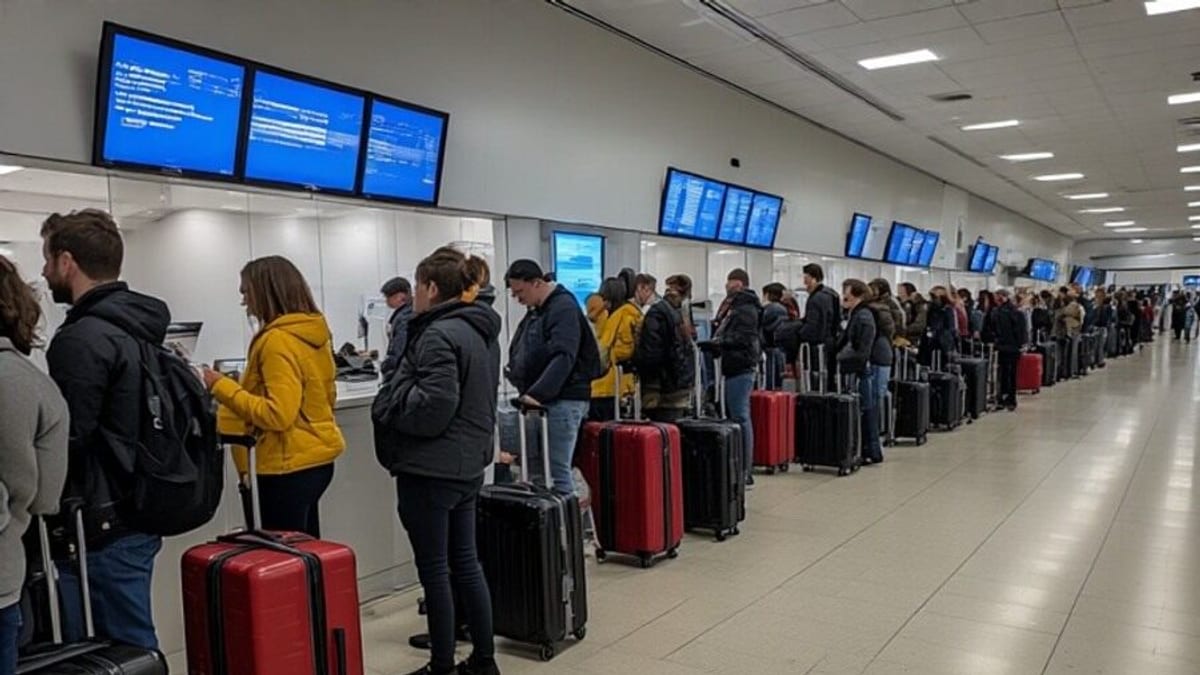
Image by Latest International / Global Travel News, Breaking World Travel News
Germany Aligns With a Stricter, More Managed Travel Landscape
Recent policy adjustments in Germany place the country among a widening list of destinations that are refining entry conditions for foreign travelers rather than simply reopening without restrictions. Publicly available information shows that Germany has been aligning with broader European moves to roll out new digital border systems and more structured pre-travel authorization for non-EU visitors. These changes are designed to tighten oversight at the external borders of the Schengen area while still keeping tourism and business travel flowing.
Published coverage of European travel plans indicates that the European Travel Information and Authorisation System and the Entry/Exit System are scheduled to come into effect in stages over the next several years, affecting how travelers from visa-exempt countries enter Germany and its neighbors. Once implemented, these systems will record biometric and entry data at the border and require an advance travel authorization for many non-EU travelers, replacing today’s largely stamp-based checks. For visitors, the net effect will be more pre-trip paperwork and data sharing in exchange for largely unchanged short-stay rights.
Germany’s shift does not single it out as unusually restrictive, but it does highlight a continental trend away from purely pandemic-era measures toward more permanent, technology-driven controls. For travelers, particularly from long-haul markets such as North America and parts of Asia, the new framework means that itineraries which once required little more than a valid passport will increasingly demand attention to online approvals, data collection and possible changes in permitted length of stay.
These developments place Germany alongside other major tourism destinations that are recalibrating their openness, often with a focus on security, migration management and the quality of visitor flows. For the wider travel industry, tour operators and airlines selling Germany and Europe are now adapting booking guidance and pre-departure checklists in anticipation of more frequent documentation checks and digital preclearance requirements.
Brazil, Canada, France, Hungary, Ireland and Mexico Redraw Entry Rules
Brazil, Canada, France, Hungary, Ireland and Mexico have all moved in recent years to adjust visa exemptions, documentation obligations or enforcement practices, creating a more fragmented global map for travelers to navigate. In Brazil’s case, publicly available reports highlight a return to traditional reciprocity, with visa requirements reintroduced for certain nationalities after a period of unilateral waiver. This shift reflects a broader reassessment of how open visa regimes are balanced against domestic policy goals and regional politics.
Canada and Mexico, both major hubs for North American and transatlantic travel, have taken parallel steps to fine-tune their own entry systems. Canada has leaned more heavily on its electronic travel authorization framework for visa-exempt visitors arriving by air, while Mexico has made periodic adjustments to documentation checks and airline screening, particularly on routes associated with irregular migration. These moves have not closed the door to tourism, but they have raised the bar on compliance for travelers who once assumed near-frictionless entry.
Within Europe, France, Hungary and Ireland have largely followed shared regional patterns of tighter screening layered onto existing visa or visa-free regimes. Ireland, which sits outside the Schengen zone, has introduced new visa requirements for specific nationalities and has tightened transit conditions for certain travelers. France and Hungary, as members of the Schengen area, are preparing alongside Germany for the introduction of new entry and exit recording systems, which will change the practical experience of crossing the external border even for short-stay visitors.
For leisure and business travelers, these country-specific changes add up to a more complex planning environment. Routes that combine, for example, Brazil with Canada or France with Ireland may now require careful checking of visa reciprocity, electronic preclearance and airline documentation checks for each segment. Travel advisers increasingly emphasize that policies can differ widely even between neighboring states and can be revised with relatively short notice.
Thailand Retreats from an Open-Door Moment
Thailand’s position has shifted notably after a recent period of liberalization that made headlines for its expanded visa exemptions. Starting in mid-2024, Thailand moved to allow nationals of dozens of countries, including Germany, France, Hungary, Ireland, Brazil, Canada and Mexico, to stay visa-free for up to 60 days, in some cases combined with fairly generous in-country extensions. This strategy was widely interpreted as an attempt to accelerate the post-pandemic tourism recovery by lowering barriers for long-haul and repeat visitors.
More recent developments indicate that Thai policymakers are reassessing that open-door phase. Coverage by regional outlets and travel industry forums points to concerns over overstays, informal work by long-staying visitors and security risks tied to loosely controlled visa-exempt entries. In response, officials have publicly discussed reducing visa-free stays back toward 30 days for many nationalities and tightening the rules around repeat entries that function as de facto long-term stays.
While some of the most restrictive ideas, such as strict caps on the number of visa-exempt entries per year, have been clarified or rolled back after criticism, the overall trajectory is toward closer scrutiny rather than additional liberalization. At major Thai airports, enhanced screening has reportedly focused on certain higher-risk categories of travelers and on passengers who appear to be using short-stay visas for purposes other than tourism. The shift marks a decisive end to the short-lived perception of Thailand as an almost barrier-free entry point for extended trips.
Tourism businesses in Thailand have publicly expressed concern that sudden or confusing changes could deter visitors, especially from Europe and North America who plan trips months in advance. However, policy statements also suggest that authorities are seeking a balance that preserves high-value tourism while deterring misuse of the system, rather than a wholesale pullback from international travel.
A Patchwork of Evolving Rules Confronts Global Travelers
Viewed together, the tightening and recalibration of rules in Germany, Brazil, Canada, France, Hungary, Ireland, Mexico and Thailand underline how far the world has moved from the pre-2020 era of relatively predictable visa policies. Instead of a simple divide between visa-required and visa-free countries, travelers now face a patchwork of digital authorizations, evolving length-of-stay limits, targeted enforcement campaigns and special conditions that can vary even within a single trip.
Publicly available guidance from tourism bodies and mobility consultancies stresses that the age of assuming that yesterday’s rule still applies has effectively ended. Many of the most visited countries are operating with policies described as temporary, pilot or under review, especially where security or migration is concerned. That means travelers booking itineraries involving multiple countries, such as combining Germany with Thailand or Mexico with Canada, may need to check several different systems and time frames before departure.
The complexity particularly affects independent travelers, long-stay digital nomads and repeat visitors, who often rely on visa exemptions and flexible stays. Reports from travel forums show growing numbers of visitors being questioned about onward travel, accommodation plans and proof of funds, even when arriving from countries historically considered low risk. While outright refusals of entry remain relatively rare, the increased scrutiny can turn previously routine border crossings into extended interviews.
Industry observers note that this environment favors better-prepared travelers who arrive with printed or digital documentation, clear itineraries and awareness of current rules in each destination. Airlines and online travel agencies, meanwhile, are under pressure to keep their own rule databases up to date, as carriers can be held responsible for transporting passengers who fail to meet entry requirements.
What Travelers Should Watch Next
Looking ahead through 2026, several pending developments could further reshape how travelers experience borders in these and other destinations. In Europe, the phased introduction of new entry and exit technologies will gradually alter procedures at airports and land crossings, affecting trips to Germany, France and Hungary as systems come online. In Latin America, Brazil and Mexico are expected to keep adjusting their visa and documentation policies in response to shifting migration patterns and diplomatic negotiations.
Thailand’s review of its visa-exempt regime remains one of the most closely watched stories in Asian tourism. Any formal decision to shorten visa-free stays or introduce new conditions on repeat entries would immediately affect visitor flows from key markets such as Germany, France, Canada and Mexico. Travel industry analysis suggests that even modest reductions in stay length could push some long-stay travelers toward alternative destinations in Southeast Asia with more predictable rules.
For now, the main takeaway for international travelers is that research and redundancy are becoming essential parts of trip planning. Checking official government and consular sources shortly before departure, carrying proof of onward travel and accommodation, and staying alert to airline advisories can reduce the risk of last-minute surprises at the border. In an era when Thailand’s open-door moment can pivot toward tighter controls within a single season, and when established destinations like Germany or Brazil continually refine their rules, flexibility and up-to-date information are quickly becoming the most valuable travel documents of all.