

Germany is far more diverse and nuanced than its clichés of punctual trains and beer halls suggest. From regional dialects and centuries-old festivals to quiet rules that shape everyday life, German culture is a layered blend of tradition and modernity. Understanding how Germans eat, celebrate, communicate, and share public space will make your trip smoother and your encounters more rewarding. This guide walks you through key aspects of German culture, with practical etiquette tips woven in at every step.
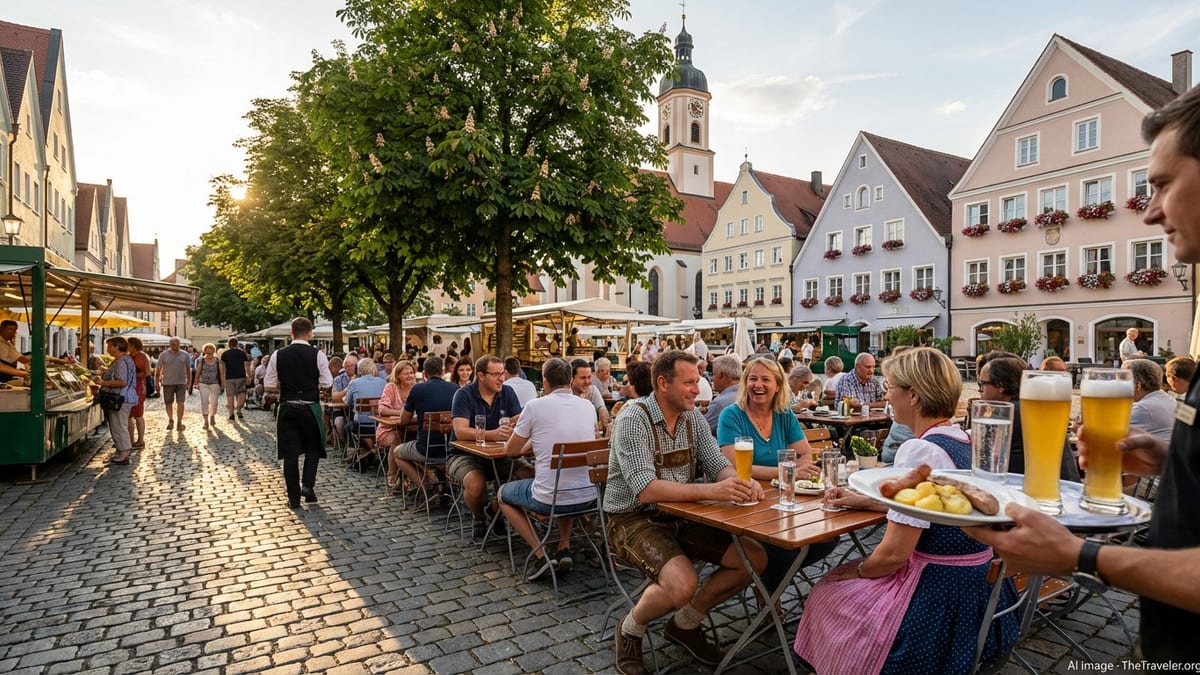
Understanding German Values and Everyday Life
German society is often associated with order, reliability, and direct communication, and you will notice these traits quickly as a visitor. Schedules are taken seriously, appointments are usually planned in advance, and people tend to arrive on time. Public spaces are expected to function smoothly, from quiet residential streets to carefully separated recycling bins. Behind this sense of order is a strong cultural preference for clear rules, fairness, and mutual respect. Knowing this will help you understand why small details, such as waiting at pedestrian lights even when the street is empty, matter to many locals.
At the same time, Germans value privacy and personal space. Casual small talk with strangers is less common than in some other countries, and it can take time to move from polite formality to friendship. When you finally switch from using the formal “Sie” to the informal “du,” it is a sign of genuine trust and closeness. Do not take initial reserve as unfriendliness; it is simply the default social distance. Once you are inside someone’s circle, you will often find warmth, loyalty, and a dry sense of humor.
Work-life balance is taken increasingly seriously, with clear boundaries between professional and private life. Many shops still close early on Saturdays and remain shut on Sundays, especially outside major cities, reflecting long-standing labor and family norms. On Sundays, you will notice quieter streets, closed stores, and people enjoying parks, cafes, and long walks. As a visitor, plan your shopping accordingly and embrace the slower rhythm as part of the cultural experience.
Environmental awareness is another visible aspect of daily life. Recycling systems are thorough, with separate containers for paper, plastic, glass, and organic waste, and bottle-return machines are standard in supermarkets. Trains, trams, and buses form an efficient public transport network in most regions, and many cities encourage cycling. Participating in these routines, from sorting your trash correctly to respecting bike lanes, shows both politeness and cultural sensitivity.
Key Traditions, Festivals, and Seasonal Customs
Germany’s cultural calendar is rich with festivals that vary by region but share common threads of community, music, and food. Oktoberfest in Munich is the most famous example, drawing millions of visitors for nearly three weeks each autumn to drink locally brewed beer, eat traditional Bavarian dishes, and enjoy brass bands and funfair rides. While the name suggests October, most of the festival actually occurs in late September to take advantage of milder evenings. Smaller towns across the country host their own beer or wine festivals that often feel more intimate and locally focused.
Beyond beer, Germany’s Christmas traditions are among its most beloved cultural exports. From late November, cities and towns host Christmas markets filled with wooden stalls, spiced Glühwein, roasted chestnuts, and handmade crafts. Each region adds its own twist, from Nuremberg’s famous gingerbread to Dresden’s iconic Stollen cake. Many families still celebrate Christmas Eve at home with a special dinner and gift-giving, while Christmas Day and the following day are reserved for family visits and quiet gatherings.
Spring brings its own rituals, including Easter celebrations that decorate trees and fountains with colorful eggs, especially in smaller towns and rural regions. In some parts of southern Germany, you may see traditional processions, while in others, bonfires mark the end of winter. Late spring and summer are prime times for local “Volksfeste,” open-air village fairs with music, regional food, and beer or wine specific to the area. Joining a local festival is one of the easiest ways to experience German hospitality in a relaxed setting.
Many of these traditions are rooted in religion or agriculture but have evolved into largely secular, community-focused events. Whether you are watching a Fasching or Karneval parade in Cologne, tasting young wine at an autumn harvest festival along the Rhine, or joining a maypole celebration in Bavaria, you will see how regional identity remains strong inside a modern, unified Germany. Respecting local customs, from dress codes at traditional events to reserved seating for locals, will help you blend rather than intrude.
German Food Culture: Beyond Sausages and Sauerkraut
German cuisine is far more varied than its reputation for heavy meat dishes suggests. Each federal state has distinct specialties shaped by history, climate, and agriculture. In Bavaria, pork dishes, soft pretzels, and hearty dumplings dominate traditional menus, while in the north you will find more fish, rye bread, and dishes influenced by the Baltic and North Seas. The southwest leans toward rich, wine-accompanied meals, delicate spätzle noodles, and influences from neighboring France and Switzerland.
Bread is central to German food culture and exists in astonishing variety. Bakeries offer dark rye loaves, mixed-grain breads, crusty rolls, and seeded specialties that change throughout the day. Breakfast often features fresh bread or rolls with cold cuts, cheese, and jam, while a lighter evening meal might again revolve around sliced bread, known as “Abendbrot.” Sampling regional breads and pastries is a simple way to taste everyday Germany, and visiting a neighborhood bakery in the morning is a particularly authentic experience.
Lunch traditionally used to be the main hot meal of the day, though modern work patterns mean many Germans now eat their largest meal in the evening. Still, you will find daily lunch specials in restaurants and company cafeterias that reflect home-style cooking: stews, roasts, vegetables, and seasonal dishes such as white asparagus in spring. Vegetarian and vegan options have grown significantly in recent years, particularly in larger cities, with dedicated plant-based restaurants and clearly labeled menus becoming more common.
Desserts and baked sweets are another highlight. Classic cakes such as Black Forest cherry cake, fruit tarts, and cheesecakes appear in “Konditorei” cafes, where afternoon coffee and cake remain a cherished ritual for many. Regional pastries, like buttery pretzels in the south or plum cakes in late summer, represent seasonal rhythms. For visitors, sitting down for coffee and cake on a weekend afternoon offers insight into the slower, social side of German life that easily gets lost behind its efficient exterior.
Beer, Wine, and Drinking Etiquette
Beer holds a central place in German cultural identity, particularly in Bavaria, where beer gardens and breweries are part of everyday life. Many beers are still brewed according to traditional purity rules that prioritize simple ingredient lists and emphasize clarity of style. You will encounter a wide range of beers, from light lagers and wheat beers to darker bocks and regional specialties. In a traditional beer garden, it is common to share long wooden tables with strangers, and bringing your own food to enjoy with purchased drinks remains acceptable in some locations if clearly signposted.
Germany is also one of Europe’s important wine producers, with river valleys like the Rhine and Moselle famous for their vineyards. White wines, especially Riesling, are particularly esteemed and range from very dry to lusciously sweet. Visiting a wine tavern or “Weinstube” in regions such as Rhineland-Palatinate, Baden, or Franconia reveals a different side of German drinking culture, one centered on leisurely evenings, seasonal dishes, and conversation over smaller glasses of wine or spritzers.
Drinking etiquette is straightforward but important. It is customary to wait until everyone at the table has a drink before toasting, and to make eye contact with each person when you clink glasses. Common toasts include “Prost” in most of Germany and “Zum Wohl” in more formal or wine-focused settings. In traditional beer halls and gardens, sharing a table with strangers is expected, but you should still greet people with a polite “Guten Tag” or “Guten Abend” before settling in.
Tipping in bars and restaurants is usually handled by rounding up the bill or adding around five to ten percent for good service. Instead of leaving money on the table, you tell the server the total you would like to pay, including tip, when they present the bill and card machine or change. Public drunkenness is less socially accepted than festival photos might suggest, and while drinking in some public spaces is legal, it is wise to follow local cues, especially around train stations and residential areas where rules can be stricter.
Social Etiquette, Punctuality, and Communication
Meeting someone in Germany generally begins with a firm but not aggressive handshake and direct eye contact. In business contexts and many social settings, people are addressed with their title and last name, such as “Herr Müller” or “Frau Schmidt,” unless invited to use first names and the informal “du.” This formal framework is not a sign of distance but a way of showing respect and maintaining clear boundaries until familiarity develops.
Punctuality is one of the most frequently noted aspects of German etiquette. Arriving a few minutes early for a meeting or dinner invitation is considered polite, while arriving significantly late without notice may be seen as disrespectful. For private invitations, bringing a small gift, such as flowers or chocolates, is appreciated, and hosts often provide indoor slippers or expect guests to remove outdoor shoes, especially in private homes with light flooring.
German communication is typically direct and unembellished. People often say exactly what they think, even when delivering criticism, but they do so within a framework of rational discussion rather than personal attack. This can sometimes feel blunt to visitors from cultures where indirect hints are more common. Try not to read rudeness into matter-of-fact comments, especially in service situations or professional conversations. At the same time, shouting or raising your voice in public is frowned upon, especially on public transport or in residential neighborhoods.
Privacy laws and social norms make Germans cautious about personal data and unsolicited contact. Photographing strangers, especially children, without permission is discouraged, and in some contexts, publishing such photos can have legal consequences. When in doubt, ask before taking close-up photos of people, and be discreet in residential areas. Respect for quiet hours, particularly at night and on Sundays, is another extension of the desire for personal space and tranquility.
Public Space, Transport, and Unspoken Rules
Public transport in Germany is generally reliable and widely used, and it operates on a system that assumes people will follow the rules. Tickets are purchased before boarding many trains, trams, and buses, and inspectors conduct random checks. Traveling without a valid ticket can result in an on-the-spot fine, and pleading ignorance rarely helps. It is polite to let passengers exit before you board and to keep doorways and aisles clear. On escalators, especially in larger cities, people typically stand on the right and leave the left side free for those in a hurry.
Quiet is highly valued in trains and especially in designated quiet cars. Loud phone calls, music without headphones, and boisterous conversations are likely to draw disapproving looks. In regional and long-distance trains, it is common to share tables with strangers, but the default interaction is minimal unless both sides feel like chatting. Keeping your belongings compact and off empty seats where possible shows consideration, particularly at busy times.
Pedestrian etiquette also follows clear patterns. Jaywalking is discouraged, and many Germans will wait for the green light even when no cars are visible, partly to set a good example for children. Cycling is widespread, and bike lanes are well-marked; walking or standing in dedicated cycle paths can create dangerous situations and irritate locals. When visiting parks and lakes in summer, you may encounter more relaxed attitudes toward sunbathing and swimwear, including areas where nudity is permitted. In such places, quiet behavior and respect for others’ space are still expected.
Smoking regulations are strict in indoor public spaces and many restaurants and bars. Some venues still offer separate smoking areas, often outdoors or in designated sections, but smoking is usually not allowed in enclosed spaces. Littering is frowned upon, and you will find plenty of bins, including separate containers for recycling, in most cities. Treating public space with the same respect you would show in someone’s home will go a long way toward fitting in.
Regional Differences and Local Identity
Germany is a federal country with strong regional identities, and understanding these differences will enrich your travels. Bavaria’s alpine villages, baroque churches, and beer halls present a very different atmosphere from the brick waterfronts and maritime culture of Hamburg or Bremen. Saxony’s historic cities, such as Dresden and Leipzig, reveal layers of Baroque architecture and musical heritage, while the Rhineland is known for its carnival traditions and river landscapes. You could travel just a few hours by train and encounter a new dialect, cuisine, and local sense of humor.
In eastern Germany, the legacy of the former German Democratic Republic remains visible in architecture, social attitudes, and cultural institutions. Cities like Berlin, Leipzig, and Dresden mix Soviet-era buildings with rapidly changing creative districts and restored historic centers. Some older residents may still refer to themselves as “Ossi,” while those from the former West use “Wessi,” terms that carry a mix of irony and identity. As a visitor, you are not expected to navigate these nuances but being aware of the country’s relatively recent reunification adds context to conversations and urban landscapes.
Local dialects can vary sharply, even between neighboring regions, although standard German is widely understood and used in official and media contexts. In southern Germany, you might hear Bavarian or Swabian dialects, while the north has its own linguistic color. English proficiency is generally good in larger cities and tourist areas, particularly among younger people, but making an effort with basic German phrases is appreciated and often opens doors to warmer interactions.
Many regions host their own folk festivals and cultural events that emphasize local pride. In wine regions, for instance, village wine festivals fill summer and early autumn weekends with live music, food stands, and open-air wine stalls. In the Black Forest, traditional costumes, woodcarving, and cherry-based cakes remain part of the regional image. Exploring beyond the major cities and engaging with these local traditions allows you to experience a Germany that feels both rooted and distinct from the national stereotypes.
The Takeaway
Traveling in Germany is as much about understanding its quiet norms as it is about visiting grand sights. Punctual trains, carefully tended parks, and orderly recycling systems reflect deeper values of responsibility and respect for shared space. Social interactions may begin formally and somewhat reserved, but patience, politeness, and a willingness to fit into local rhythms usually reveal warmth, reliability, and a subtle sense of humor.
By paying attention to regional differences, trying local foods and drinks, and observing unspoken rules in public spaces, you will gain a richer perspective on contemporary Germany. Treat festivals as opportunities to share in community life rather than just spectacles, and approach everyday experiences, from bakeries to beer gardens, with curiosity. In doing so, you will not only avoid common cultural missteps but also discover a country that is far more varied, welcoming, and engaging than its clichés suggest.
FAQ
Q1. Do I need to speak German to travel comfortably in Germany?
English is widely spoken in major cities, tourist areas, and by younger people, but learning a few basic German phrases is appreciated and can make interactions smoother, especially in smaller towns.
Q2. How strict are Germans about punctuality?
Punctuality is taken seriously for both social and business appointments. Aim to be on time or a few minutes early, and notify your host if you are delayed.
Q3. Is it acceptable to tip in restaurants and cafes?
Yes, tipping is customary. Most people round up the bill or add around five to ten percent for good service and tell the server the total they wish to pay.
Q4. What should I know about visiting a German home?
Bring a small gift such as flowers or chocolate, be prepared to remove your shoes if asked, and be punctual. Complimenting the food and home is considered polite.
Q5. Are Sundays really that quiet in Germany?
Yes, many shops close on Sundays, and noise regulations are stricter, especially in residential areas. It is a day for rest, family time, and outdoor activities rather than errands.
Q6. How should I behave on German public transport?
Buy a valid ticket before boarding where required, keep noise low, let others exit before you enter, and avoid blocking doors or seats with bags, especially at busy times.
Q7. What is the proper way to toast with drinks?
Wait until everyone has a drink, raise your glass, make brief eye contact with each person you clink glasses with, and say “Prost” or “Zum Wohl” before drinking.
Q8. Is it safe to drink tap water in Germany?
Tap water in Germany is generally safe and of high quality. Restaurants may charge for bottled water, so refilling a reusable bottle from taps is common among locals.
Q9. How formal is German dress code in everyday life?
Dress is generally neat and practical. Casual clothing is fine in most situations, but overly beach-style outfits in cities or churches may stand out as inappropriate.
Q10. Are there any gestures or behaviors I should avoid?
Avoid speaking very loudly in public, crossing bike lanes without looking, and making jokes about sensitive historical topics. Respect for personal space and history is important.