

More news on this day
Spring travel plans across Europe have been thrown into disarray as strike-related disruptions at Germany’s largest airports force the cancellation of hundreds of Lufthansa flights and strand thousands of passengers at major hubs.
Get the latest news straight to your inbox!
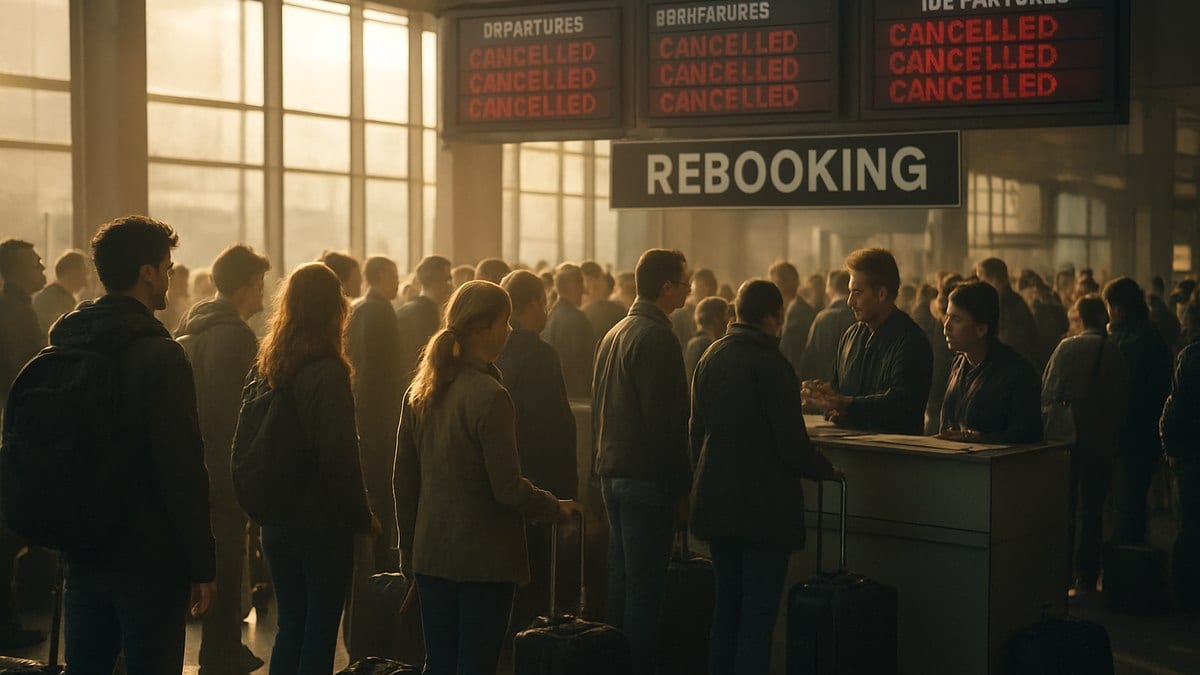
Strikes Trigger Mass Cancellations at Frankfurt and Munich
Germany’s flagship carrier Lufthansa is at the center of renewed travel turmoil after a fresh round of industrial action collided with the busy April travel period. Recent walkouts by cabin crew and the announcement of a two-day pilot strike have triggered large-scale cancellations at Frankfurt and Munich, Germany’s two primary aviation hubs, with knock-on effects across the continent.
Reports from German and international outlets indicate that a one day cabin crew strike on April 10 led to the scrapping of roughly two thirds of scheduled services at Lufthansa’s main bases. Frankfurt, Germany’s busiest airport, saw around 580 cancelled departures and arrivals, while Munich recorded several hundred more scrubbed flights as the carrier reduced operations to a skeleton schedule.
Further disruption is expected as pilot unions prepare for additional stoppages on April 13 and 14. In anticipation, Lufthansa has already removed many flights from its timetable, notably on routes linking Frankfurt and Munich with other major European cities such as Berlin, Leipzig, Stuttgart and international hubs including Amsterdam, Vienna and Zurich. The preemptive cancellations are intended to limit day of chaos but are leaving many travelers scrambling to rebook days in advance.
Publicly available information from airport operators shows that Lufthansa accounts for a dominant share of movements at Frankfurt and Munich. This concentration means that when the carrier pares back its schedule, the resulting reduction in capacity can rapidly spill over to connecting airlines and alliance partners, amplifying the number of disrupted journeys.
Ripple Effects Hit Major European Hubs
The impact of Germany’s flight chaos is being felt far beyond its borders as passengers find themselves stranded or delayed at other European gateways. Travelers scheduled to connect through Frankfurt or Munich report missed onward flights and unexpected overnight stays in cities as varied as London, Paris, Lisbon and Istanbul.
Published travel advisories from partner airlines highlight adjustments across transatlantic and intra European networks. United States bound passengers, for example, are being rerouted away from German hubs where possible, with alternative itineraries offered through other Star Alliance cities. Some travelers report rebookings via Zurich or Vienna, while others are shifted onto non alliance airlines when seats are available.
At European hubs, ground handling operations are straining under the volume of disrupted itineraries. Longer queues at transfer desks and airline service counters are being reported, particularly during peak morning and evening banks when long haul arrivals and departures typically overlap. Even travelers not booked on Lufthansa are affected as airport resources such as security lanes, immigration checkpoints and baggage systems absorb the added pressure from rebooked passengers.
Industry observers note that Germany sits at the heart of Europe’s air traffic network, with Frankfurt in particular serving as a key junction for long haul connections. When that node is weakened, schedules across multiple carriers become more vulnerable to cascading delays and cancellations, especially during already busy holiday or business travel windows.
Passengers Face Confusion, Long Rebookings and Legal Questions
For individual travelers caught in the disruption, the experience is often defined by long waits, uncertain itineraries and difficulty reaching customer service channels. Social media posts and traveler forums describe cancelled legs appearing without warning in booking apps, journeys broken mid route and limited options to adjust itineraries online.
Some passengers report being rebooked onto much longer routings involving additional layovers or overnight stops, while others find that no same day alternatives are available at all from affected airports. The result is a patchwork of outcomes, with some travelers accepting complicated detours to reach their destinations and others abandoning plans altogether.
The turmoil is also sharpening focus on passenger rights under European air travel regulations. Consumer advocacy sites are reminding travelers that flights cancelled with short notice may entitle them to rerouting, care such as meals and accommodation, and in some cases financial compensation. However, the applicability of compensation can be complex in the context of strikes, and outcomes may vary depending on whether disruptions are deemed within the carrier’s control.
Guidance from passenger rights organizations encourages travelers to keep detailed records of boarding passes, cancellation messages and receipts for out of pocket expenses. With repeated industrial actions affecting Germany’s aviation sector since early 2026, legal experts anticipate an uptick in claims and disputes as travelers seek to recover costs from aborted or heavily delayed journeys.
Airline and Airport Networks Struggle to Recover
Beyond the immediate wave of grounded flights, aviation analysts warn that the disruption in Germany could take several days to unwind fully. When hundreds of flights are removed from the schedule in a short period, aircraft and crew are left out of position, complicating efforts to restore normal operations even after strike windows close.
Operational data and previous episodes of large scale disruptions show that once a hub falls behind schedule, late arriving aircraft and duty time limits for staff can create a secondary layer of cancellations and delays. Airlines must then decide whether to prioritize long haul services, key business routes or domestic feeders, a balancing act that can leave some regional destinations facing extended gaps in service.
Airport operators in Germany and neighboring countries are also working to manage terminal congestion and baggage backlogs created by sudden schedule changes. Reduced arrivals do not automatically translate into smoother operations, as late rerouted passengers and misplaced luggage can continue to flow through the system long after departure boards have stabilized.
Observers note that the current situation comes after several years of heightened operational stress for European aviation, including staffing shortages after the pandemic, infrastructure bottlenecks at busy hubs and previous waves of strikes across air traffic control and ground services. The latest chaos at German airports is reinforcing concerns about the sector’s resilience ahead of the peak summer season.
Travelers Urged to Build Flexibility Into Spring and Summer Plans
With further strike activity in Germany still possible and many flights for April already adjusted, travel experts are advising passengers to incorporate additional flexibility into upcoming itineraries. This includes allowing longer connection times, favoring direct flights where reasonable and monitoring bookings closely in the days leading up to departure.
Publicly available guidance from airlines and airports stresses the importance of checking flight status through official digital channels before heading to the airport, particularly for journeys involving Frankfurt or Munich. Many carriers are offering free rebooking or waiver policies for affected dates, though the most attractive alternatives may disappear quickly as demand concentrates on remaining services.
For travelers who have not yet booked, some specialists suggest considering routings that avoid the most heavily affected hubs during strike windows, especially for time sensitive trips such as business meetings, weddings or cruise departures. However, they also point out that Germany’s central role in European air travel means avoiding its airports entirely is difficult on many long haul and intra European itineraries.
As Germany’s aviation sector works to contain the fallout from the latest wave of industrial action, holidaymakers and business travelers alike are watching closely to see whether the coming weeks bring stability or further turbulence. With passenger demand building toward the busy summer months, the performance of Frankfurt, Munich and their connected hubs will be a key test of Europe’s ability to keep planes and people moving.