

More news on this day
European tourism is entering a reset in 2026 as Germany joins Switzerland, Italy, the United Kingdom, the Netherlands, Greece and other destinations in rolling out new rules, pricing and rail-focused incentives designed to manage global travel demand, protect crowded hotspots and keep visitors coming despite geopolitical and economic headwinds.
Get the latest news straight to your inbox!
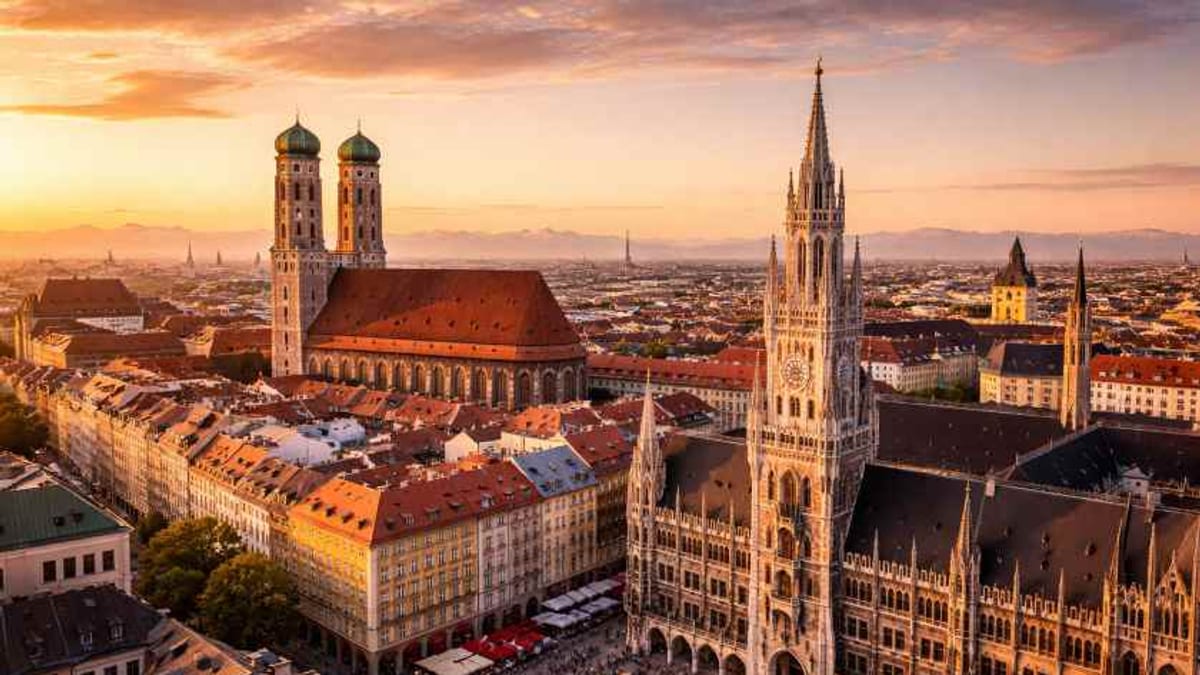
Image by Travel And Tour World
New Rules at Europe’s Borders Redefine the 2026 Trip
Travel into and around Europe in 2026 is being reshaped by a new generation of digital border and screening systems. The European Union’s Entry/Exit System, which began phased operations in late 2025, is changing how non-EU nationals are registered at external borders, replacing manual passport stamping with automated biometric checks. Publicly available information indicates that the follow-up European Travel Information and Authorisation System, ETIAS, is now expected to apply from the final quarter of 2026, adding a pre-travel authorisation requirement for many visitors who previously entered visa-free.
Germany, Italy, Switzerland, the Netherlands and Greece, all part of the Schengen Area, are adapting airports, land crossings and ports to cope with these changes. Travel industry reports suggest that operators are warning of longer queues in the short term while new kiosks and infrastructure bed in, even as authorities argue that the systems should reduce identity fraud and overstays in the longer run.
The United Kingdom, outside the EU and Schengen, is moving in a similar direction with its own electronic travel authorisation roll-out, affecting visitors connecting through London on their way to continental hubs. Together, these parallel systems mean that travellers planning multi-country itineraries across Germany, Switzerland or Italy with UK stopovers face a more complex paperwork landscape than before the pandemic era.
Analysts say the combined effect of these shifts is to make advance planning more critical for long-haul visitors, especially from North America and Asia. Travel advisers are increasingly steering clients toward allowing more time for border formalities and advising them to keep documentation, accommodation details and onward transport bookings easily accessible in digital form.
Germany’s Rail Push and Domestic Focus Signal a Different Growth Model
Germany is emerging as a key test case for how a major European market can pivot from volume-driven, flight-heavy tourism toward rail and regional travel. Public data show that Germany already has one of the highest rates of domestic tourism in the EU, with German residents accounting for a dominant share of nights spent in the country’s accommodation sector. That trend is reinforced in 2026 by the nationwide Deutschlandticket, a flat-fee monthly pass for local and regional public transport whose price rose again this January but still undercuts many single intercity fares.
Despite debates over funding and pricing, the ticket is widely seen as a cornerstone of Germany’s strategy to spread visitor spending beyond traditional city breaks in Berlin, Munich or Hamburg. Lakes, lesser-known historic towns and rural regions branded as “Germany’s hidden landscapes” have reported strong search and booking interest, mirroring a broader European move away from overcrowded urban cores.
Business travel data for Europe show that Germany remains a leading destination for corporate trips and trade fairs, even though growth has slowed from the peak of major events such as the 2024 football tournament. Conference organisers are using the dense rail network and discounted group tickets to frame German cities as low-carbon meeting hubs, an approach that other countries are watching closely as they plan their own sustainability roadmaps.
For international visitors, this shift means that itineraries built around rail corridors are becoming more attractive. Travel platforms increasingly highlight multi-stop journeys linking Germany with Switzerland, Austria, the Netherlands and northern Italy by train, positioning them as a lower-emissions alternative to short-haul flights while still tapping into Europe’s cross-border appeal.
Switzerland, Italy, the Netherlands and Greece Target Overtourism
Beyond border systems and rail incentives, several of Europe’s most visited destinations are intensifying efforts to tackle overtourism. Italy and Greece, both heavily reliant on seasonal arrivals, are leaning into what industry bodies describe as “quality tourism” strategies that favour longer stays, higher per-visitor spending and a wider geographic spread of trips.
Reports from Italian tourism campaigns highlight ongoing promotion of lesser-known regions under banners that encourage visitors to discover the “other” Italy, aiming to relieve pressure on hotspots such as Venice, Florence and parts of the Amalfi Coast. In Greece, island destinations affected by heatwaves and wildfires in recent summers are revisiting capacity limits and encouraging travel in shoulder seasons, with local authorities experimenting with stricter rules around cruise calls and large group tours.
Switzerland and the Netherlands are taking a regulatory tack centred on city management. Amsterdam’s long-running efforts to curb nuisance behaviour and regulate short-term rentals are being echoed in other Dutch cities, while Swiss destinations are experimenting with dynamic pricing for mountain access and parking in peak periods. These measures seek to protect liveability for residents and preserve natural landscapes while still welcoming high-value international visitors.
Greece, Italy, Switzerland and the Netherlands are also connected by shared participation in European-level sustainability initiatives. Recent EU tourism policy statements emphasise climate resilience, energy efficiency in hospitality and better data on visitor flows, with these countries frequently cited as examples of destinations piloting new monitoring tools and environmental standards for hotels, ports and ski resorts.
UK and Germany Navigate Cooling US Demand and New Source Markets
At the same time as regulatory changes unfold, travel sentiment indicators suggest a more cautious outlook from some long-haul markets, especially the United States. Industry surveys released in early 2026 show that American enthusiasm for European trips has softened slightly compared with 2025, amid concerns about higher prices, conflicts on the continent’s periphery and the complexity of new entry systems.
The United Kingdom and Germany, both historically strong magnets for US visitors, are responding by diversifying promotional efforts. Publicly available coverage highlights a renewed push to attract travellers from India, China and the Gulf states, with emphasis on shopping, culture and business events. This mirrors broader European Travel Commission analysis pointing to stronger growth potential from Asia and high-income segments even as mass-market transatlantic travel plateaus.
For Germany, the shift interacts with its domestic-heavy profile. While many Mediterranean destinations depend heavily on foreign arrivals, Germany’s large resident base offers a buffer when international demand softens. Travel economists note that this allows the country to experiment more confidently with sustainability-related rules or pricing, since local demand for rail-based short breaks and wellness escapes remains resilient.
In the UK, tourism bodies are pairing marketing campaigns with messaging around new entry requirements, including Britain’s own electronic travel authorisation. Travel agents report that travellers considering itineraries combining London with Paris, Amsterdam, Berlin or Zurich are increasingly weighing the administrative steps involved in crossing multiple regulatory zones, a factor that could redistribute demand within Europe if some destinations are perceived as easier to enter and navigate than others.
Resilience, Climate Pressures and the Shape of European Travel in 2026
Across Europe, 2026 is shaping up as another test of the sector’s resilience in the face of climate volatility and political uncertainty. Heatwaves and wildfires in recent summers have shown how quickly conditions can disrupt peak-season travel, particularly in southern destinations like Greece and Italy. Industry research points to growing interest in cooler seasons, higher latitudes and inland, lake or mountain destinations in Germany, Switzerland and the Netherlands as travellers seek to avoid extreme heat.
European Union policy initiatives unveiled at tourism forums in early 2026 frame climate adaptation and sustainability as central pillars of future growth. A first EU-wide Strategy for Sustainable Tourism, announced at a major trade show in Berlin, outlines plans to encourage cleaner transport, spread demand beyond overcrowded hotspots and use digital tools to steer travellers toward less-visited areas. Germany’s emphasis on rail and regional discovery, Switzerland’s and Italy’s management of mountain and coastal environments, the Netherlands’ approach to urban liveability and Greece’s efforts to safeguard island communities all fit within this larger shift.
Despite higher travel costs, new paperwork and behaviour rules in popular cities, forecasting from European travel organisations still points to stable or modestly growing visitor numbers for 2026. Analysts attribute this to the enduring pull of Europe’s cultural and natural assets, as well as a broad move among travellers toward trips that feel more meaningful, wellness-focused and aligned with personal values.
For visitors, the new landscape means that trips to Germany, Switzerland, Italy, the UK, the Netherlands or Greece in 2026 may feel more structured and curated than before, with extra steps before departure and more visible management on the ground. Yet many in the sector argue that this managed model is necessary to keep Europe open and attractive in a world of climate stress, geopolitical tension and growing scrutiny of tourism’s social and environmental footprint.