

More news on this day
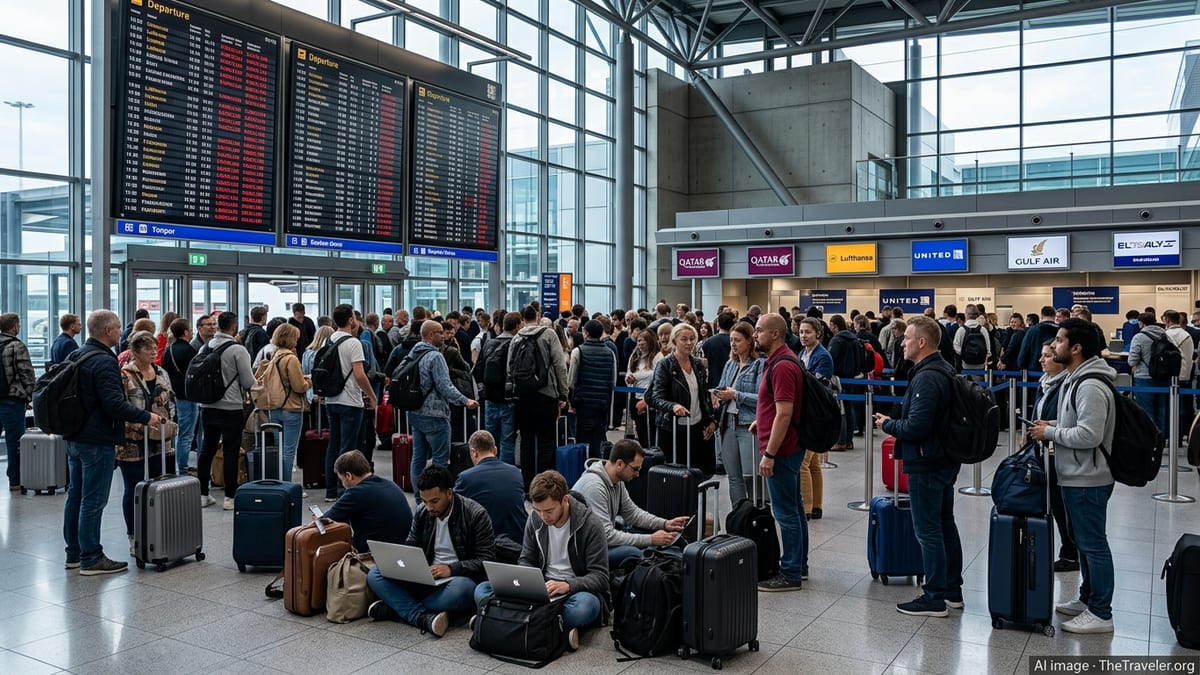
Thousands of passengers faced fresh disruption across Germany on March 9 as Qatar Airways, United Airlines, Gulf Air, El Al, Lufthansa and other carriers scrapped at least 34 flights and imposed rolling delays on major routes linking Frankfurt, Berlin and Munich to the Middle East, North America and Asia.
Middle East Airspace Crisis Ripples Into German Hubs
The latest wave of cancellations in Germany is closely tied to the ongoing airspace crisis in the Gulf, where conflict-related restrictions have forced airlines to redraw long-haul networks in real time. Qatar’s temporary closure of its airspace at the end of February, combined with wider shutdowns across parts of the Middle East, has upended the hub-and-spoke patterns that usually keep Germany’s main airports flowing.
Qatar Airways, which normally funnels large volumes of German traffic through Doha, continues to operate only a skeletal schedule as it negotiates a limited operating corridor into Hamad International Airport. On March 9 the airline listed just a handful of inbound services from Europe, including Berlin and Frankfurt, instead of its usual full timetable, leaving many Germany-bound passengers to be rebooked or refunded.
Gulf Air remains effectively grounded on its Bahrain routes following earlier suspensions, cutting another key connection between Germany and the Gulf. El Al services between Germany and Tel Aviv have also faced repeated disruption amid the same regional tensions, with cancellations and re-timings further complicating itineraries built around Frankfurt and Munich as European gateways.
Industry analysts say the combination of missing Gulf connections and complex detours around closed airspace has introduced fresh fragility into German flight schedules, magnifying even minor operational hiccups into widespread delays.
Lufthansa and United Trim Schedules as Network Pressures Mount
Lufthansa, the country’s flag carrier and dominant operator at both Frankfurt and Munich, announced further adjustments to its Middle East flying on March 9, extending suspensions on routes to Dubai, Abu Dhabi and several regional cities in response to the deteriorating security picture and airspace closures. Services to Amman and Erbil are now paused until at least mid-March, while flights to Tel Aviv and Beirut remain off the board for longer.
Those cuts, layered on top of earlier decisions to halt Tehran operations until late April, have forced the airline to reconfigure its long-haul banks at German hubs. While Lufthansa is maintaining select services to Riyadh and other destinations, the thinner network has reduced onward options for travelers arriving in Frankfurt and Munich from North America and Asia, with missed connections increasingly difficult to rescue on the same day.
United Airlines, a key transatlantic partner on routes such as Frankfurt to Newark, Washington Dulles and San Francisco, has also pared back individual rotations, scrapping a clutch of departures on March 9 as demand softened and aircraft were repositioned to avoid bottlenecks. Aviation data reviewed by TheTraveler.org shows at least several United-operated sectors to and from Frankfurt and Munich removed from schedules or retimed, contributing to the tally of 34 suspended flights across Germany’s big three airports.
Although many of these cancellations are concentrated on Middle East and long-haul connections, the knock-on effects are increasingly visible on short-haul feeder services. Empty slots created by international suspensions are being partly backfilled by intra-European flying, but operational buffers are thinner, leaving less room to absorb weather or technical disruptions.
Frankfurt, Berlin and Munich See Growing Passenger Fallout
Frankfurt, Germany’s busiest international gateway, bore the brunt of Monday’s disruption. Recent winter weather and earlier delays had already strained operations at the sprawling hub; fresh cancellations by Gulf carriers and Lufthansa added to the backlog, leading to snaking security lines and dense crowds in transfer corridors as passengers scrambled for alternatives.
According to disruption trackers monitoring European air traffic, Germany figured among the hardest-hit markets in Europe on March 9, with Frankfurt and Munich joining London, Paris and Amsterdam in reporting clusters of cancellations and more than a hundred delays. For many travelers, the problem is not a single canceled leg but the collapse of carefully timed connection chains that rely on punctual arrivals from Doha, Tel Aviv or North American cities.
Berlin Brandenburg, which has cultivated a growing portfolio of long-haul services in recent seasons, also saw selective suspensions on flights tied to the Middle East and rerouted Asia connections. Passengers heading for Doha, Tel Aviv or points beyond were urged to check their bookings repeatedly throughout the day, as airlines juggled aircraft and crew assignments in response to changing overflight permissions.
Munich, a key secondary hub in Lufthansa’s network, reported fewer outright cancellations but significant delays on some departures feeding into long-haul banks. With strike threats still simmering at parts of the Lufthansa Group and crews already stretched by circuitous routings around closed airspace, even modest operational snags risk cascading quickly through the system.
Travelers Face Missed Connections, Complex Reroutes and Limited Options
For passengers, the immediate impact of the 34 suspended flights and dozens of delays has been a surge in missed onward connections, unplanned overnight stays and increasingly complex rerouting. Travelers connecting in Frankfurt from secondary German cities such as Hamburg, Nuremberg or Stuttgart have been particularly vulnerable, as the loss of a single long-haul departure can leave few viable alternatives the same day.
Reports from affected travelers on social channels describe long waits at rebooking counters and call centers as airlines prioritize passengers with imminent departures. Some long-haul customers originally ticketed via Doha on Qatar Airways have been shifted onto partner carriers through alternative hubs in Amsterdam, Zurich or Istanbul, while others are accepting full refunds and rebuilding their itineraries from scratch.
Consumer advocates are reminding travelers that under European Union rules, substantial delays and short-notice cancellations on flights departing from EU airports or operated by EU carriers may trigger compensation obligations, unless airlines can prove extraordinary circumstances and show they took all reasonable measures to avoid disruption. In practice, that means carriers are being closely scrutinized for how proactively they rebook passengers when seats are available on other airlines or routings.
Hotels around Frankfurt Airport and near Munich’s terminals reported a modest uptick in last-minute bookings from stranded passengers on Sunday night and Monday morning, as some travelers opted to wait for more stable schedules later in the week rather than endure multi-stop replacements.
What Airlines and Airports Are Advising Passengers Now
Airlines serving Germany are urging customers traveling over the coming days to build more slack into their plans and to assume that departure times may change at short notice. Several carriers, including Lufthansa and United, have published flexible rebooking policies for tickets touching affected Middle Eastern destinations, allowing date or routing changes without additional fees within specified windows.
Airport operators in Frankfurt, Berlin and Munich are recommending that travelers arrive earlier than usual, especially for long-haul departures and complex connections. Passengers are being encouraged to use airline apps and airport displays to monitor real-time status rather than relying on original booking confirmations that may no longer reflect current schedules.
Travel management companies advising corporate clients are, in parallel, shifting bookings away from the most exposed corridors where possible. That includes temporarily favoring routings via hubs such as Amsterdam, Zurich or Madrid instead of Gulf connectors, and making greater use of Germany’s high-speed rail network for domestic legs in case short-haul feeder flights are trimmed further.
With the Middle East security situation and associated airspace closures still evolving, industry planners caution that Germany’s flight schedules will likely remain volatile through at least late March. For now, travelers passing through Frankfurt, Berlin and Munich are being told to expect longer journeys, busier terminals and a higher-than-normal chance that their carefully planned itinerary may change at the last minute.