

Germany blends storybook landscapes, cutting-edge cities, and a dense tangle of rail lines and autobahns into one of Europe’s most rewarding destinations. From Berlin’s creative buzz and Munich’s beer gardens to half-timbered towns, river valleys, and Alpine trails, it is a country made for slow exploration. This guide walks you through the essential practical information you need before you go, with up-to-date details on entry rules, money, transport, safety, and how to make the most of your time on the ground.
Entry Requirements and Documents
Germany is part of the Schengen Area, which means border-free travel between most continental European countries for eligible visitors. Citizens of many countries, including the United States, Canada, the United Kingdom and Australia, can currently enter Germany visa-free for short stays of up to 90 days in any 180-day period for tourism or business. Your passport should be valid for at least three months beyond your planned departure from the Schengen zone, though six months validity gives you more margin against disruptions or changes of plan.
Over the course of 2026 the European Union is rolling out two major digital border systems that will affect trips to Germany: the Entry/Exit System and the Etias travel authorisation. The Entry/Exit System, which began phased implementation in late 2025, replaces manual passport stamping for non-EU travellers with biometric registration at kiosks. In practice this means you will likely have to scan your passport and have your photo and fingerprints taken the first time you arrive in the Schengen Area after it becomes fully operational, then undergo quicker verification on future trips.
Alongside this, Etias is expected to begin later in 2026 as an online pre-travel authorisation for visa-exempt travellers visiting Germany and other Schengen countries. It will function similarly to the US Esta system and will involve a small fee and a quick online application before departure. The exact start date and practical procedures may still shift, so it is important to check official German or EU government sources close to your travel dates. Travellers who already hold a Schengen visa, EU residents and some other categories will not need Etias, but they should still verify their status before travel.
Regardless of your nationality, you should travel with proof of onward or return travel and confirmation of accommodation bookings or an invitation letter, as border officers can ask for these on arrival. Travel insurance is strongly recommended. Although it is not formally checked for every tourist, having a policy that covers medical care, evacuation and trip disruption can save significant stress and costs in case of illness or transport problems during your trip.
Money, Costs and Tipping
Germany uses the euro, and cash is still more common in everyday life than many visitors expect, especially outside the largest cities. Card acceptance has improved steadily, and contactless payments are widely used in supermarkets, chain stores and public transport ticket machines. Yet some smaller bakeries, traditional guesthouses, countryside restaurants and Christmas market stalls remain cash-only or set a minimum card amount. It is wise to carry some euros in small denominations, particularly if you plan to travel in rural areas, visit local festivals or rely on independent family-run businesses.
Overall costs in Germany are moderate by Western European standards. Big hubs like Munich, Frankfurt and Hamburg can feel expensive for central hotels, while many mid-sized cities and smaller towns offer better value for money in both accommodation and dining. Eating at lunch rather than dinner, making use of set menus or weekday specials and shopping for snacks in supermarkets will help your budget go further. Public transport offers good value when used with regional day tickets or advance-purchase long-distance fares.
Tipping in Germany is more restrained than in North America but is still part of polite practice. Restaurant service charges are typically included in menu prices, but it is customary to round up or add around 5 to 10 percent if you are happy with the service, especially in sit-down restaurants and cafes. You usually tell the server the total you would like to pay when they bring the bill and the card machine or cash tray, rather than leaving money on the table. For taxi rides, rounding up to the nearest euro or adding a small percentage is appreciated. Hotel staff may receive a small tip for helpful service, though there is no obligation.
ATMs are easy to find in cities, at train stations and in many towns, usually located at bank branches. Using machines from major banks often keeps fees lower than stand-alone ATMs in tourist zones. Dynamic currency conversion at payment terminals, where you are offered the choice to pay in your home currency rather than euros, generally results in a poor exchange rate, so select payment in euros when possible. As always, notify your bank of your travel dates to reduce the risk of fraud blocks on your card.
Getting Around: Trains, Buses and Driving
Germany’s transport network is extensive, combining long-distance and regional trains, urban transit systems and intercity buses. Trains are often the most comfortable and scenic way to move between major cities and regions, though in recent years reliability has been an issue. Long-distance services operated by Deutsche Bahn have struggled with punctuality due to aging infrastructure and large-scale renovation projects. Travellers should expect occasional delays and, on some routes, replacement buses or diversions while lines are upgraded.
Despite these challenges, rail remains a practical backbone for most itineraries. Booking in advance on long-distance routes such as Berlin to Munich or Frankfurt to Hamburg can secure significantly cheaper fares compared with buying on the day. Flexible tickets allow you to take later trains if your plans change, while saver fares tie you to specific departures. Regional day tickets offer great value for slower journeys within one federal state or neighbouring regions and are popular with budget-conscious travellers who do not mind extra travel time and more stops.
Intercity buses complement the rail system and can be a cost-effective alternative, especially on routes affected by construction work or where direct trains are limited. They often take longer than trains but may offer more predictable travel times in periods of rail disruption. In cities, public transport is generally well-organised with integrated tickets for trams, U-Bahn, S-Bahn and buses. Buying a day ticket or short-term pass can be cheaper than multiple single fares if you plan to move around frequently.
Driving in Germany can be rewarding, especially if you want to explore rural regions like the Black Forest, the Bavarian Alps or smaller wine valleys that are less accessible by train. The autobahn network is famous for stretches without fixed general speed limits, but speed restrictions and variable controls are more common than some visitors expect. Fines for traffic violations can be significant, and there is zero tolerance for drunk driving. In many cities, environmental zones require vehicles to display emissions stickers, and parking can be tight and regulated. If you do not need a car for your whole trip, consider using trains and public transport for city stays and renting a car only for specific regional excursions.
When to Visit and What to Pack
Germany has a temperate climate with four distinct seasons, and the best time to visit depends on what you want from your trip. Late spring and early autumn are often ideal for a balance of milder temperatures, open attractions and fewer crowds than peak summer. May and June usually bring blooming landscapes and long days that are well suited to river cruises, countryside walks and city sightseeing. September and early October combine comfortable weather with wine harvest festivals in regions like the Moselle and Rhine.
July and August are high season across much of the country. Cities can be lively with events and outdoor dining, but popular destinations and attractions become busier and hotel prices rise. In recent years, summer heatwaves have become more frequent, especially in urban areas where air conditioning is not universal in smaller hotels and older buildings. If you travel in summer, pack light breathable clothing, a refillable water bottle and sun protection, and consider booking accommodation with good ventilation or cooling options.
Winter brings shorter days and cold temperatures, but also the atmospheric appeal of Christmas markets and snow in some regions. Late November and December are particularly popular in cities like Nuremberg, Dresden, Cologne and Munich, where festive stalls, lights and seasonal food transform central squares. Away from the holidays, January and February can be quieter and are often good months for lower hotel rates, but storms and snow can disrupt transport, especially in the north and higher elevations. Packing layers, a warm coat, waterproof shoes and gloves is essential for winter trips.
Whatever the season, German weather is changeable, so think in terms of layers and practical outerwear rather than a single heavy coat or only summer outfits. A compact umbrella, light waterproof jacket, comfortable walking shoes and a small daypack will serve you in almost any context. For rural hiking or Alpine areas, bring sturdy footwear and a fleece or similar insulating layer, even in warmer months, as temperatures can drop quickly at altitude or after sunset.
Top Destinations and Regional Highlights
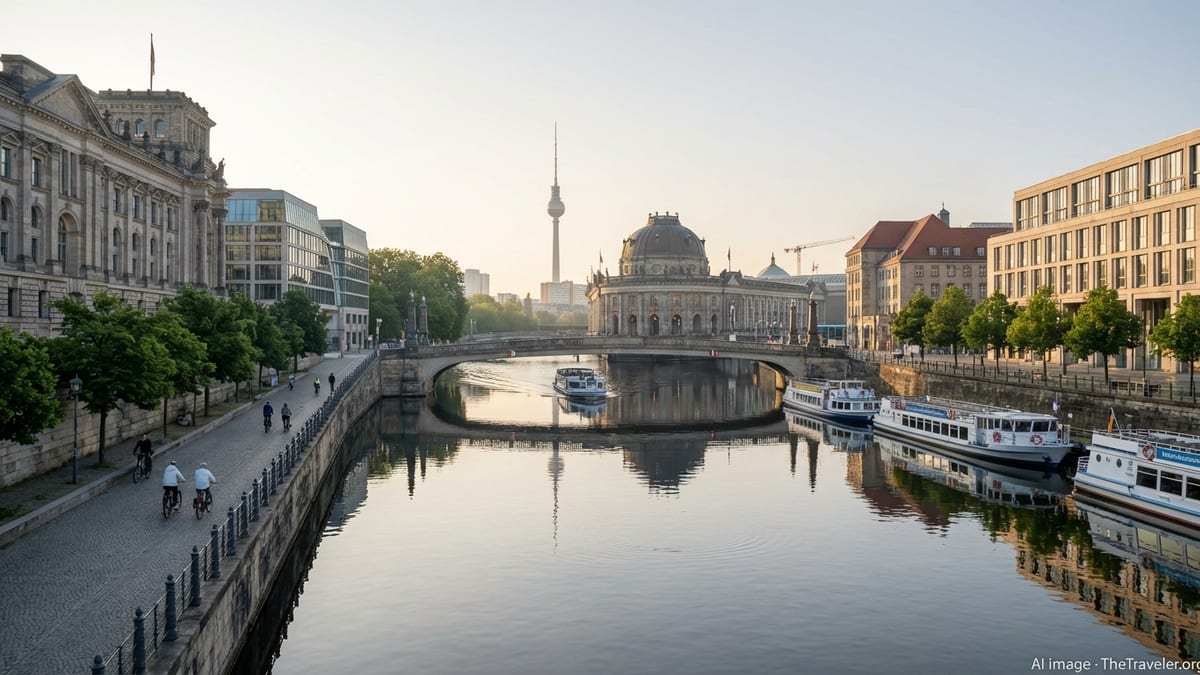
Germany’s diversity is one of its greatest strengths for travellers. Berlin, the capital, is a magnet for culture, history and nightlife, with world-class museums, memorials that invite reflection on the country’s past and creative neighbourhoods filled with cafes, galleries and music venues. The city’s scale rewards several days of exploration, whether you focus on classical sights around Museum Island and the Brandenburg Gate or immerse yourself in local life in districts such as Kreuzberg, Neukölln and Prenzlauer Berg.
Munich, in the south, offers a different atmosphere with grand squares, baroque churches and extensive parks like the English Garden. It is a natural base for trips into the Bavarian Alps, to lakes such as Tegernsee and Chiemsee, and to the famous royal castles in the surrounding countryside. Hamburg brings a maritime flavour with its port, harbourfront redevelopment and strong music heritage, while Cologne pairs an iconic Gothic cathedral with a relaxed riverside lifestyle on the Rhine.
Beyond the big cities, Germany’s regions reveal a patchwork of distinct identities. The Rhine and Moselle valleys are known for vineyards on steep slopes above winding rivers and for towns that blend medieval streets with contemporary wine culture. The Black Forest in the southwest combines dense woodland, spa towns and traditional farmhouses, offering hiking, cycling and winter sports. In eastern Germany, Saxony’s capital Dresden and the sandstone landscapes of Saxon Switzerland National Park appeal to art lovers and outdoor enthusiasts alike.
Northern Germany has its own charm with the Hanseatic heritage of Lübeck, long sandy beaches along the Baltic Sea and the windswept North Sea coast with its islands and tidal flats. In the centre of the country, smaller university towns such as Heidelberg, Freiburg and Göttingen mix historic architecture with lively student populations. With limited time, it can help to choose one or two major cities and then add a contrasting region, such as pairing Berlin with the Baltic coast, Munich with the Alps or Frankfurt with the Rhine Valley.
Culture, Etiquette and Everyday Life
German culture is often associated internationally with punctuality, direct communication and a strong sense of order, and visitors will encounter elements of this reputation, though the reality is more nuanced and varies between regions and generations. In general, shops, offices and service providers operate on clear schedules, and being a few minutes early to appointments, tours or restaurant bookings is seen as respectful. At the same time, ongoing transport issues and construction can make exact timetables difficult to keep, so both locals and visitors have learned to plan extra time into their journeys.
In everyday interactions, Germans may communicate more directly than visitors from some cultures are used to. Clear statements are usually valued over small talk or indirectness, particularly in professional contexts. This does not mean people are unfriendly. A simple greeting when entering shops or restaurants and a farewell when leaving are appreciated. In many regions, cashiers or service staff will say a friendly goodbye even during busy periods, and it is polite to respond.
English is widely spoken in major cities, especially among younger people and in the tourism industry, but less so in rural areas and among older generations. Learning a few basic German phrases such as greetings, please, thank you and excuse me is not only helpful but also usually welcomed. Dress codes in cities tend to be casual but neat; sportswear is common in parks and outdoors but less so at more formal restaurants or theatres.
Germany has a strong environmental awareness, reflected in widespread recycling systems, bottle deposit schemes and public transport use. Visitors are expected to follow local rules on separating waste where bins are labelled, returning bottles where deposits apply and observing marked cycling lanes and pedestrian areas. Quiet hours in residential neighbourhoods, usually in the late evening and on Sundays, are taken seriously, so keeping noise down in apartment-style accommodation and shared courtyards will keep relations with neighbours smooth.
Health, Safety and Practical Tips
Germany is generally considered a safe destination with relatively low levels of violent crime. As in any country, petty theft can occur in crowded areas such as main train stations, busy public transport lines, tourist sites and large events. Keeping valuables secure, using money belts or inside pockets for passports and being cautious with bags in crowds will significantly reduce risk. Pickpocketing often targets distracted travellers near ticket machines, check-in areas or station platforms, so stay aware when you are juggling luggage.
The healthcare system is of a high standard, and emergency care is available to visitors. Pharmacies, marked by a distinctive red logo, are widely distributed and can advise on minor illnesses and over-the-counter medication. For serious emergencies, the national number for ambulance, police and fire services is 112. While citizens and residents are usually covered by statutory or private health insurance, tourists should have travel medical insurance to avoid high out-of-pocket costs for treatment or repatriation.
Air quality in most of the country is comparable to other industrialised nations, though it can fluctuate in big cities and near industrial zones. Tap water is safe to drink almost everywhere and often of high quality, making a refillable bottle practical and sustainable. Public toilets may charge a small fee, including at many motorway service areas and train stations, so keeping some coins handy is useful.
Germany has seen some extreme weather events in recent years, including heavy rainfall, storms and local flooding, which can disrupt travel and outdoor plans. Paying attention to local weather forecasts, particularly during winter or when hiking in mountainous regions, will help you respond appropriately. In the rare event of a serious disruption, transport operators and local authorities will usually provide guidance, though announcements may first appear in German. Translation apps can be valuable tools for understanding updates and signage in such situations.
The Takeaway
Travelling to Germany in the coming years means navigating a country that is both highly developed and undergoing visible change. Infrastructure upgrades, new digital border systems and a stronger focus on sustainability are all shaping the visitor experience. With a bit of advance preparation around entry requirements, transport plans and seasonal conditions, you can minimise surprises and focus on what makes the country so compelling.
From dynamic cities filled with art, music and food to rivers, forests and mountains that invite slow exploration, Germany rewards curiosity and a flexible mindset. Building some slack into your schedule, embracing regional diversity and showing consideration for local customs will go a long way. Whether you are coming for history, landscapes, beer gardens or Christmas markets, understanding the practicalities outlined in this guide will help you arrive informed, confident and ready to make the most of your time.
FAQ
Q1. Do I need a visa to visit Germany for a short holiday?
For many nationalities, including US, Canadian, British and Australian citizens, short tourist stays of up to 90 days in a 180-day period are visa-free, but you must check current rules and note that an online Etias authorisation is expected to become mandatory for many visa-exempt travellers later in 2026.
Q2. Is Germany safe for solo travellers?
Germany is generally safe for solo travellers, including women, provided you take routine precautions such as staying aware in crowded places, avoiding poorly lit areas late at night and keeping valuables secure on public transport and in busy stations.
Q3. How reliable are trains in Germany right now?
Trains remain the backbone of long-distance travel, but punctuality has been weaker than in the past due to network repairs and construction, so you should allow extra time for connections and check for disruptions shortly before you travel.
Q4. Can I drink the tap water in Germany?
Yes, tap water in Germany is generally safe to drink and often of high quality, so refilling a reusable bottle is both convenient and environmentally friendly in most places.
Q5. What is the best time of year to visit Germany?
Late spring and early autumn usually offer a good mix of mild weather and manageable crowds, while summer is lively but busier and winter is ideal for Christmas markets and some snow-based activities.
Q6. Are credit cards widely accepted in Germany?
Credit and debit cards are widely accepted in larger cities, chain stores and transport systems, but some small businesses and rural establishments still prefer cash, so carrying some euros is advisable.
Q7. Do people in Germany speak English?
English is commonly spoken in major cities and in the tourism sector, especially by younger people, but it is less widespread in rural areas, so learning a few basic German phrases is helpful and appreciated.
Q8. How should I tip in restaurants and taxis?
Service is usually included in prices, but it is customary to round up or add about 5 to 10 percent in restaurants if you are satisfied, and to round up the fare slightly when paying for taxis.
Q9. Is it necessary to rent a car in Germany?
You can see much of Germany using trains and public transport alone, but renting a car is useful if you want to explore rural regions or make spontaneous stops that are not easily reached by rail or bus.
Q10. What should I pack for a trip to Germany?
Pack comfortable walking shoes, layers for changeable weather, a light waterproof jacket, any needed medication, travel adapters for European sockets and season-appropriate extras such as sun protection in summer or warm accessories in winter.