

More news on this day
Germany has sharply escalated its travel guidance for the Middle East, urgently advising citizens to avoid trips to Israel and East Jerusalem as mounting tensions between the United States and Iran fuel fears of a wider regional conflict and potential disruption to air travel.
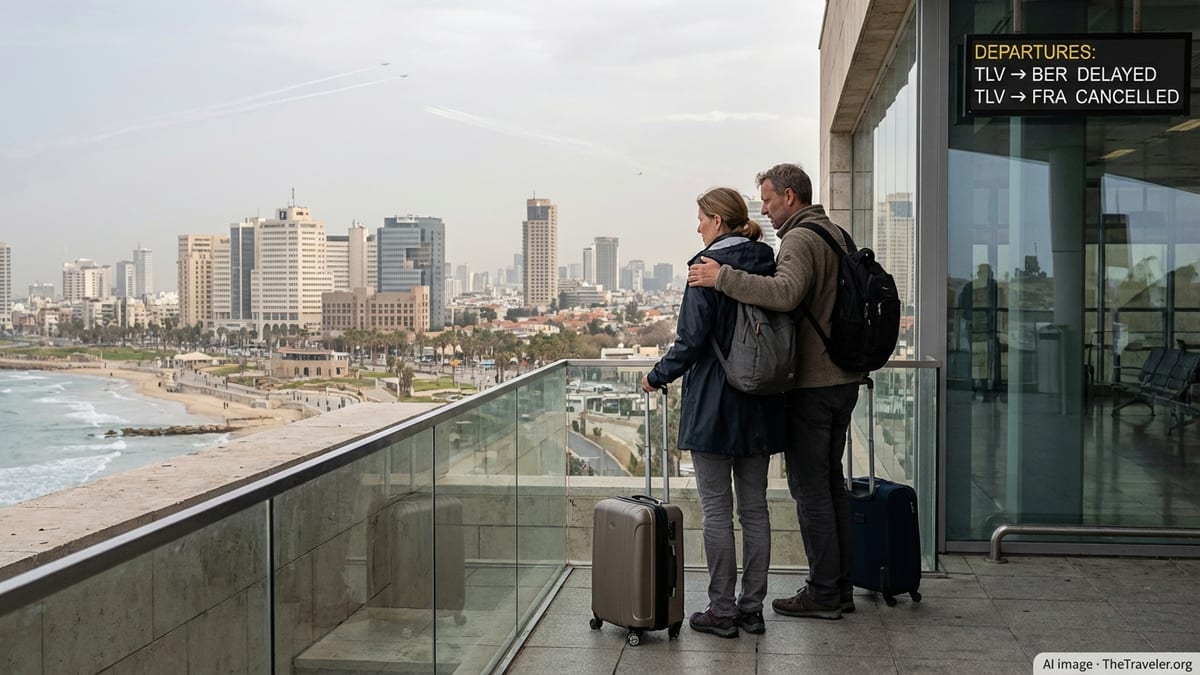
Berlin Raises Israel Risk Level as Tensions Spike
The German Foreign Office updated its advisory on Friday, February 27, 2026, telling citizens it "urgently" advises against travel to all of Israel and East Jerusalem due to the deteriorating security situation. The shift marks a significant tightening from earlier guidance, which had focused on specific areas seen as particularly vulnerable to rocket fire or unrest.
Officials in Berlin said they are monitoring developments closely and remain in constant contact with the German embassy in Tel Aviv regarding the safety of staff and German nationals on the ground. While the embassy continues to operate, the government has called on travelers already in Israel to exercise extreme caution, stay informed via local media, and be prepared for rapid changes in conditions.
The revised guidance reflects growing concern that a potential U.S. military strike on Iran could trigger direct or proxy retaliation against Israel, where missile defense systems and critical infrastructure are already on heightened alert. German diplomats warned that a sudden deterioration in security could leave tourists and business travelers facing limited evacuation options.
Berlin also reiterated that its embassy in Tehran has been operating with reduced staff for months, limiting consular support for Germans in Iran. That constraint underscores the challenges European governments would face if simultaneous crises erupted in both Israel and Iran.
Iran Confrontation Fuels Regional Security Fears
The German advisory comes amid the most serious standoff in years between Washington and Tehran, with senior U.S. officials publicly discussing possible military action against Iran’s nuclear and military infrastructure. Iranian leaders, in turn, have warned that any attack would be met with retaliation across the region, explicitly mentioning U.S. forces and Israel as potential targets.
Analysts say that if hostilities break out, Iran and allied groups could seek to hit Israeli cities, border areas, or maritime routes using ballistic missiles, drones, or proxy militias. The prospect of attacks on civilian areas, along with possible cyber operations targeting infrastructure, has led European governments to weigh the risks not only for their own citizens but also for regional stability and commercial aviation.
The broader context includes ongoing protests and unrest inside Iran, an extended nationwide internet blackout, and strained diplomatic ties that have hindered crisis communication. Security experts note that such internal volatility can heighten the risk of miscalculation or rapid escalation in a confrontation with foreign powers.
For Israel, the latest alerts add to an already complex security landscape along its borders with Gaza, Lebanon, and Syria. Military planners have increased readiness, while foreign embassies, including those of Germany and the United States, are refining contingency plans in case of sudden conflict.
Wave of International Travel Warnings Across the Region
Germany’s move is part of a wider wave of advisories and evacuation measures issued in recent days by governments concerned about a possible clash between the United States and Iran. Several European states, including France and Italy, have urged citizens to avoid nonessential travel to Iran and parts of the Eastern Mediterranean, while also cautioning against trips to Israel, Jerusalem, and the West Bank.
In Brussels, regional briefings have highlighted the risk of airspace closures, flight cancellations, and diversions affecting major routes between Europe, the Gulf, and Asia. Airlines are reviewing contingency plans for rerouting or suspending services if hostilities break out or if regional authorities impose new restrictions on overflights.
Beyond Europe, countries such as China, India, Russia, and South Korea have advised their nationals to leave Iran or avoid travel there entirely, citing an extremely volatile security environment. Some have also flagged Israel and neighboring territories as high-risk destinations, emphasizing that commercial departures may become difficult or impossible at short notice.
Diplomats say the coordinated tone of the advisories reflects rising alarm that any U.S. strike on Iran would reverberate quickly across the Middle East, threatening not only military assets but also civilian populations, infrastructure, and transport links.
What the Warning Means for German and International Travelers
For German citizens, the updated Israel advisory carries both practical and legal implications. While it does not automatically prohibit travel, it signals that Berlin sees the risk as serious enough that tourists could face limited consular assistance if they choose to ignore the guidance and later require emergency help or evacuation.
Travel insurance policies may also be affected. Many insurers restrict coverage in areas subject to government warnings that advise against all or all but essential travel. Travelers who proceed despite the advisory may find that medical evacuation, trip cancellation, or disruption claims related to conflict or civil unrest are excluded from their policies.
Tour operators and airlines serving Israel have begun fielding an uptick in inquiries and cancellations as customers reassess their plans. Industry representatives say they are closely tracking updates from foreign ministries and aviation authorities, aware that sudden changes in security assessments or airspace status could force schedule changes with little warning.
For independent travelers already in Israel, consular officials recommend registering with their embassy, maintaining a charged mobile phone, identifying nearby shelters or secure areas, and avoiding large gatherings or sensitive sites that could become targets. They also stress the importance of flexible travel plans in case flights are delayed or suspended.
Tourism and Regional Mobility Face a New Test
The German decision underscores how quickly the regional tourism landscape can shift when geopolitical tensions escalate. Israel, which has invested heavily in promoting its historic cities, religious sites, and Mediterranean coastline, had been working to stabilize visitor numbers following previous rounds of conflict and pandemic-related disruption.
Industry observers warn that a prolonged period of heightened alert, compounded by multiple countries discouraging visits, could weigh heavily on hotels, tour operators, and small businesses that depend on foreign guests. Neighboring destinations that share airspace or connect via regional hubs may also feel the impact, even if they are not directly involved in the confrontation.
Travel analysts note that risk perceptions can linger long after an immediate crisis passes, particularly when conflict scenarios involve potential missile attacks, cyber threats, or large-scale protests. Restoring confidence typically requires not only a reduction in violence, but also sustained diplomatic efforts and clear, consistent messaging from governments and airlines.
For now, German officials say their priority is to keep citizens informed and prepared as the situation evolves from hour to hour. They have left open the possibility of further changes to travel and security advice, including stronger language or targeted evacuation guidance, should the U.S.-Iran confrontation move from warnings and diplomacy to open conflict.