

More news on this day
Germany has urged its citizens to rethink travel to Cuba, issuing a warning against non-essential trips as the Caribbean island battles deepening power outages, fuel shortages and a volatile social climate that is increasingly affecting visitors.
Get the latest news straight to your inbox!
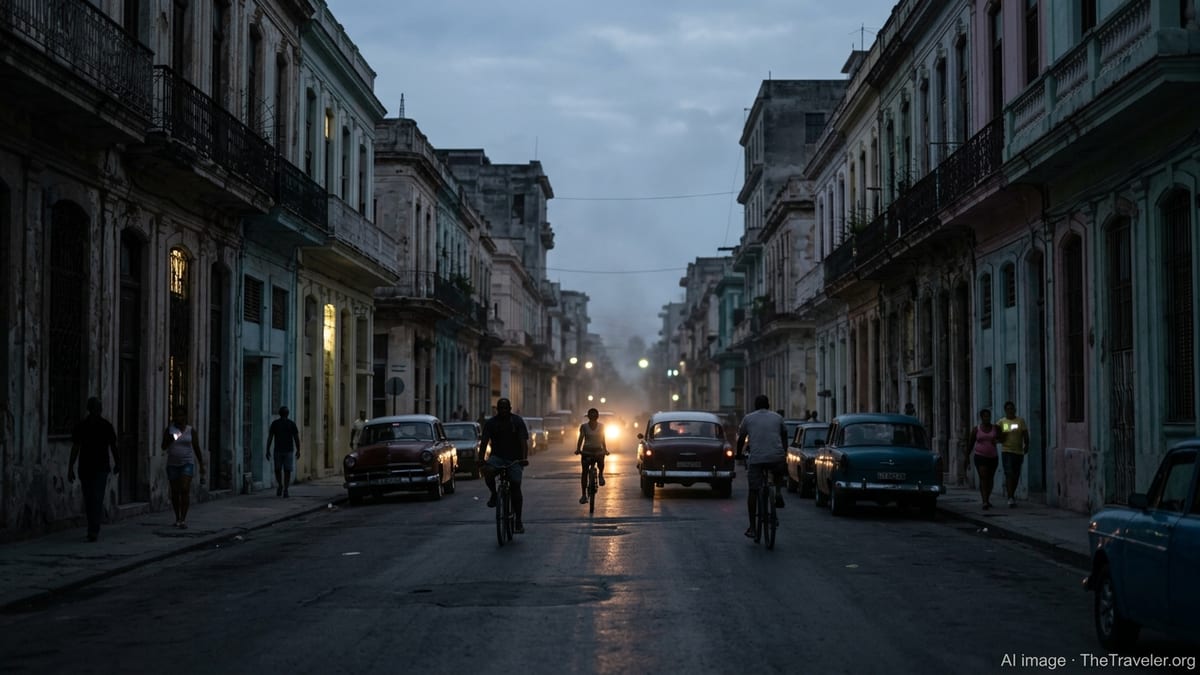
German Advisory Raises Cuba Travel Risk Level
Germany recently updated its travel advice for Cuba, cautioning against non-essential travel and drawing fresh attention to a worsening crisis on the island. The advisory, published by the German Foreign Ministry in Berlin, cites an acute energy emergency, widespread infrastructure failures and mounting disruption to daily life as key reasons for the heightened risk assessment.
Publicly available information indicates that German guidance builds on an earlier security alert first introduced in late 2024, when Berlin began warning travellers about rolling blackouts and the strain on essential services. The latest update goes further by linking the energy crunch to broader shortages and growing uncertainty for foreign visitors, including those who previously viewed Cuba as a relatively predictable winter-sun destination.
According to published coverage, the ministry notes that energy and fuel deficits are now affecting almost every aspect of life on the island, from transport and food supply to medical care. Travellers are urged to weigh carefully whether leisure trips are appropriate in a context where residents and visitors alike face prolonged outages, reduced mobility and unpredictable access to basic services.
The German warning aligns with increasingly cautious language from several European governments, signalling a shift in how Cuba is framed on official travel maps. Once marketed heavily to European package tourists, the island is now being described in official advisories as a country in the grip of overlapping economic, energy and social crises.
Power Grid Failures and Fuel Shortages Disrupt Daily Life
Cuba’s severe and recurring electricity outages sit at the heart of Germany’s concerns. International reporting on the 2024 to 2026 blackout wave describes a fragile power grid struggling with aging thermoelectric plants and chronic fuel shortages. Large parts of the island have endured hours-long daily cuts, while several full nationwide blackouts over the past two years have underscored the vulnerability of the system.
Recent assessments from European and North American governments describe persistent power failures across both urban and rural areas, including Havana and popular resort zones. These outages limit air conditioning, refrigeration and lighting in hotels and guesthouses, while also disrupting water pumping systems, digital payment networks and telecommunications. Even where some higher-end properties operate backup generators, travellers can no longer assume that tourism infrastructure is insulated from the broader grid crisis.
Fuel scarcity compounds the strain. Publicly available statistics and local reporting point to long queues at petrol stations, reduced public transport services and a sharp rise in informal transport arrangements. For visitors, that can translate into cancelled intercity buses, fewer taxis and difficulty reaching airports or medical facilities on short notice. Tour operators have also flagged challenges in maintaining excursion schedules when vehicles cannot be reliably fueled.
The combined impact of electricity and fuel shortages has led to a cascading effect on essential services. International coverage notes that food production, cold-chain logistics, hospitals and pharmacies are all affected by irregular power supply. Travellers may encounter intermittent restaurant openings, limited menu options, malfunctioning ATMs and an increased need to carry cash and basic supplies.
Growing Social Tension, Protests and Security Concerns
Beyond infrastructure breakdowns, Germany’s updated advisory draws attention to the broader social and security environment. Over the past two years, international media and human rights groups have documented sporadic anti-government protests in several Cuban cities, often triggered by blackouts, water shortages and rising prices. While such demonstrations remain relatively rare, they signal intensifying frustration within the population.
Recent travel advisories from European partners describe a tense atmosphere, with the risk that localized protests could escalate or prompt a heavy security response. Roadblocks, sudden crowd gatherings and temporary shutdowns of public spaces have been reported during previous episodes of unrest. For visitors, this can result in unanticipated detours, delays and exposure to confrontations that may not be immediately obvious when planning a trip from abroad.
Some foreign embassies have also publicly noted a deterioration in overall service provision, alongside a perceived rise in opportunistic crime linked to scarcity. While Cuba has traditionally been promoted as relatively safe compared with many regional destinations, reports now emphasize the importance of heightened vigilance, especially after dark and in areas affected by long outages where street lighting and policing are limited.
Germany’s advisory echoes this more cautious tone by stressing that the domestic situation is fluid and can change rapidly. Travellers are encouraged, through publicly available guidance, to monitor developments closely, stay informed through local contacts and be prepared for sudden shifts in security arrangements, including possible curfews or movement restrictions in response to civil unrest.
Impact on Tourism Flows and Travel Logistics
The tightening of Germany’s travel advice comes at a time when Cuba’s tourism industry is already under intense pressure. Recent data from Cuba’s official statistics office, cited in international economic coverage, show that overall visitor numbers fell in 2025, with arrivals from Germany dropping significantly compared with the previous year. Airlines and tour operators have responded by trimming capacity, with some European carriers suspending or scaling back routes to Cuban airports.
The deterioration in connectivity has practical consequences for travellers who still decide to go. Fewer direct flights from Europe mean longer journeys and less flexibility in the event of cancellations. Industry reports indicate that some charter and package operators have rerouted capacity to alternative Caribbean destinations perceived as more stable, further reducing choice and pushing up prices on the remaining Cuba services.
On the ground, accommodation providers and local guides are grappling with the financial fallout of reduced arrivals alongside higher operating costs linked to fuel and generator use. Some hotels have closed blocks of rooms or shortened opening hours for facilities such as pools, restaurants and spas in order to conserve power and staff. Independent guesthouses and small businesses, which rely heavily on foreign travellers, face particular challenges in maintaining standards under conditions of scarcity.
Germany’s more restrictive stance may accelerate these trends, particularly if other major source markets mirror its language. Travel analysts note that advisories from European governments often influence insurance coverage, tour operator risk assessments and consumer sentiment, potentially amplifying the effect beyond the pool of German nationals alone.
What Prospective Travellers Are Being Told to Consider
In light of the escalating crisis, the guidance available to German travellers and other European visitors places strong emphasis on careful advance planning. Public advisories recommend that anyone still choosing to travel to Cuba should expect prolonged power cuts, intermittent mobile and internet connectivity, and difficulties obtaining fuel, medicines and some food items. Travellers are advised to have contingency funds, flexible itineraries and a willingness to adapt plans at short notice.
Insurance and consular information have become more prominent elements of pre-departure checklists. Advisories encourage visitors to verify that their travel insurance policies remain valid for Cuba, given the raised risk profile, and to ensure that coverage includes medical evacuation and disruption to onward travel caused by infrastructure failure or civil unrest. Travellers are also steered toward registering their presence with their home country’s consular services where possible.
For those considering deferring or cancelling their trips, Germany’s latest warning is being interpreted in the wider context of similar notices from other European states. The convergence of messages about blackouts, shortages and social tension is reshaping perceptions of Cuba from a carefree beach destination into a complex, crisis-affected environment. Industry observers suggest that this reputational shift could take years to reverse, even if energy supplies and infrastructure gradually stabilize.
Against this backdrop, the core message of the German advisory is that travel to Cuba now carries risks that are significantly higher than in previous years and that may be difficult for leisure visitors to manage. Prospective travellers are urged, via open-source guidance, to weigh the potential impact of power outages, service disruptions and unrest on their safety and comfort before committing to a journey.