

More news on this day
Germany is preparing for a decisive leap up the global luxury-travel ladder in 2026, with a slate of new high-end hotels, landmark skyscraper projects and upgraded visitor experiences that place Indian travellers firmly at the centre of its growth strategy.
From Hamburg’s reshaped skyline to expansions in Berlin, Munich and along the Rhine, the country’s premium hospitality sector is aligning its next phase of development with record demand from India’s fast-rising outbound market.
More News
- Caribbean Travel to U.S. Upended by New Visa Freezes and Expanded Bans
- Mexico Restores E-Visas for Brazilians, Paving the Way for Borderless Tourism
- Philippine Airlines Joins Regional Carriers Powering Southeast Asia’s Tourism Boom
Germany’s Luxury Pipeline Accelerates into 2026
The German hotel development pipeline has been steadily shifting toward the upscale and luxury segments, and 2026 is emerging as a pivotal year in that evolution. After a strong post-pandemic recovery in both business and leisure travel, major global and regional operators have committed to new five star and lifestyle properties in key German cities, positioning the country to compete more aggressively with traditional European luxury hubs.
In Berlin and Munich, international brands are finalising openings that target affluent travellers seeking design-forward stays, rooftop dining and wellness-led experiences. These projects build on a wave of recent debuts by established players that have already raised the bar on service levels, spa concepts and culinary offerings across Germany’s biggest urban centres. Industry executives say that the next phase will be defined less by room count and more by signature experiences that differentiate each property in a crowded market.
Secondary cities known for industry and innovation, including Frankfurt, Stuttgart and Düsseldorf, are also seeing a tilt toward higher-end developments. Developers are responding to demand from corporate travellers who increasingly expect leisure-grade amenities, as well as from long-stay guests such as students and professionals from India who often combine work, study and tourism. This rebalancing of supply means that by 2026, luxury and upper-upscale rooms will account for a larger share of new openings than midscale inventory in several urban markets.
Landmark Skyscrapers Redraw the Hospitality Skyline
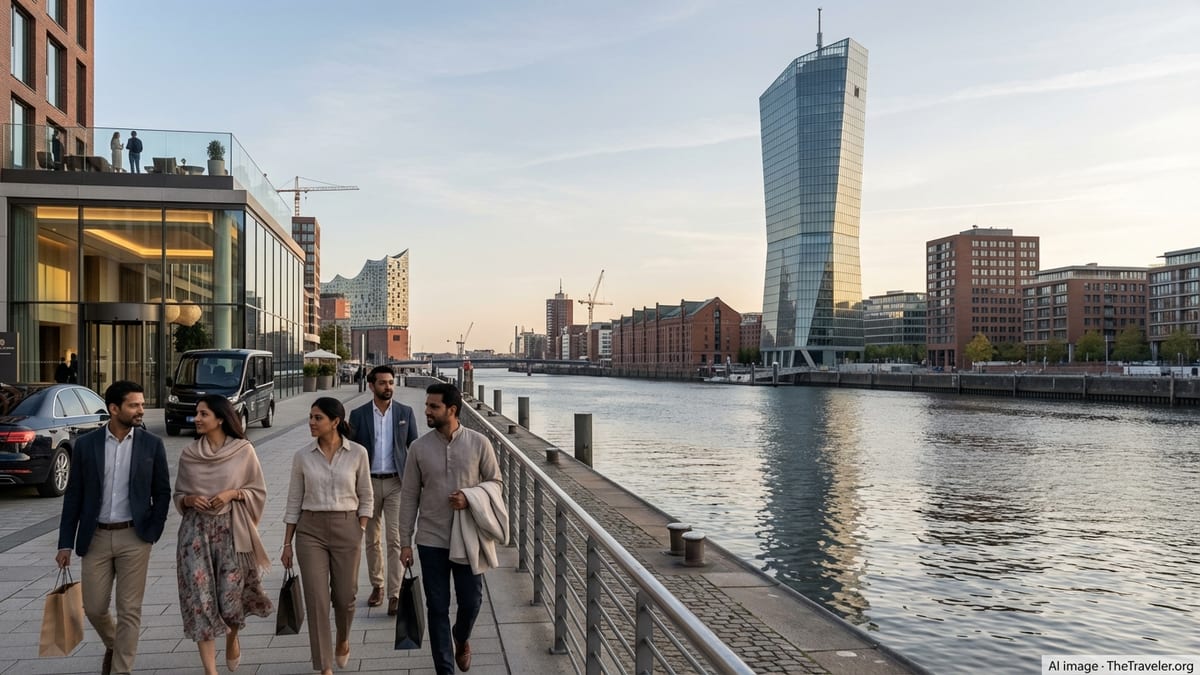
Germany’s luxury expansion is not confined to traditional hotel blocks. Skyscraper projects that combine offices, residences and hospitality spaces are reshaping skylines, turning towers into vertical neighbourhoods designed for a new generation of global travellers. Hamburg’s Elbtower has become the most visible symbol of this shift, with the project now back on track after an earlier construction pause.
Developers have confirmed that a five star Hilton hotel will anchor the hospitality component of the Elbtower, bringing nearly 200 luxury rooms and suites to one of Europe’s most ambitious high rises. While the building’s final height and completion date have been revised, the tower is still set to become a defining landmark on the Elbe, pairing panoramic river views with high-end dining and event spaces aimed at international visitors. For Hamburg, which already balances maritime heritage with contemporary culture, the hotel is expected to serve as a flagship address for premium city breaks and conferences.
Frankfurt, long associated with its Mainhattan skyline, is also seeing renewed interest in branded residences and tower hotels that integrate co-working, gastronomy and wellness into vertical, mixed-use environments. Developers and city authorities are increasingly prioritising public access elements such as sky decks, art installations and cultural programming, giving visitors new ways to experience German cities from above. For Indian travellers used to statement towers in Dubai, Singapore or Mumbai, these projects offer an instantly recognisable, aspirational format in a European context.
Rising Indian Demand Reshapes Germany’s Tourism Strategy
Behind the concrete and glass, the numbers tell a clear story: Indian travellers are now one of the fastest-growing and most influential segments for Germany’s inbound tourism. After a strong rebound in 2023, Indian overnight stays in Germany climbed again in 2024, with official figures highlighting a year on year increase of 8.6 percent and a total approaching 900,000 nights. More importantly, the average length of stay for Indian visitors has moved close to ten nights, indicating deeper exploration beyond a single city.
Tourism officials and industry stakeholders forecast that Indian guests will generate around one million overnight stays annually in the short term, with potential to reach 1.6 million nights by the end of the decade. That trajectory is supported by a rapid expansion in air connectivity, as monthly flights between India and Germany have risen significantly compared with pre pandemic levels. Additional services from full-service and Lufthansa Group carriers are giving travellers from Delhi, Mumbai, Bengaluru and other Indian hubs more direct and one-stop options into German gateways.
India’s role is also growing in higher-yield segments. Business travel linked to automotive, engineering, pharmaceuticals and technology continues to underpin premium demand in cities such as Munich, Stuttgart and Frankfurt. At the same time, a surge in Indian students enrolled at German universities, along with visiting friends and relatives segments, is contributing to longer stays and repeat visits. For the luxury hotel sector, this combination of corporate, leisure and education-driven traffic is particularly attractive, as it supports both weekday and weekend occupancy at higher price points.
Smoother Visas, Tailored Offers and Premium Experiences for Indian Visitors
Recognising the potential of India’s outbound market, German authorities and tourism bodies are working to make the journey smoother and the on-ground experience more personalised. The Schengen visa process for Indian travellers is gradually being streamlined with more digitalisation, expanded appointment capacity and clearer communication, a shift that travel agents say is already translating into higher booking confidence for Germany as a destination.
The German National Tourist Board has earmarked dedicated budgets for India-focused campaigns, highlighting themes that resonate strongly with Indian travellers: romantic getaways, fairy tale castles, sustainability and immersive cultural routes. New promotional pushes showcase itineraries that link classic highlights such as Bavaria’s castles and the Rhine Valley with urban luxury stays and shopping in Berlin, Frankfurt and Düsseldorf. Indian-centric offers often bundle upgraded hotel categories, fine dining and premium rail travel, positioning Germany as a refined yet accessible option for couples, families and multi-generational groups.
Luxury hotels, for their part, are tailoring services to better serve Indian guests. Many high-end properties are expanding vegetarian and Jain-friendly menus, offering flexible breakfast timings to suit long-haul arrivals and incorporating small but meaningful touches such as Hindi-speaking staff or information materials. Upscale spa hotels in the Black Forest, Bavarian Alps and along the Baltic coast are packaging Ayurveda-inspired treatments and wellness retreats that appeal to health-conscious Indian travellers seeking longer, restorative stays.
Urban Icons, Riverfront Retreats and Alpine Escapes
As Germany’s luxury map expands, Indian travellers are set to benefit from a broader range of premium experiences beyond the familiar circuit. In Berlin, upcoming and recently opened luxury properties around the central Mitte district and along the Spree are complementing established grand hotels with more intimate, design-led options. These hotels are leaning into Berlin’s creative reputation, integrating contemporary art, local fashion collaborations and live music into their guest experience.
Hamburg is leveraging its waterfront identity, with new luxury hotels and converted warehouses along the HafenCity and Speicherstadt districts offering suites with harbour views, Michelin-driven cuisine and easy access to cultural anchors like the Elbphilharmonie. For Indian visitors, who often combine city breaks with shopping and sightseeing, these riverfront retreats present an appealing base that pairs modern design with maritime charm.
In southern Germany, the luxury focus stretches from Munich’s heritage properties and chic boutique hotels to lakeside and Alpine resorts in Bavaria. High-end lodges near Garmisch-Partenkirchen and Lake Tegernsee are positioning themselves as four-season escapes for Indian guests, with winter sports, summer hiking, wellness and gourmet experiences packaged together. As more Indian travellers look beyond traditional European capitals, these regions are likely to gain visibility as stand-alone luxury destinations or as extensions to city-based itineraries.
Business, MICE and Weddings: High-Value Niches in the Spotlight
Germany’s expanded luxury infrastructure arrives at a time when high-value travel niches from India are gaining momentum. Meetings, incentives, conferences and exhibitions remain a backbone of premium travel demand, and German cities are redoubling efforts to capture more MICE events from India’s corporate and association sectors. New and upgraded five star hotels with large ballrooms, flexible conference spaces and integrated technology are specifically marketing themselves to Indian organisers seeking reliable, high-quality venues in Europe.
Tourism authorities are also eyeing the Indian wedding and celebration market, which has begun to explore non-traditional locations in Europe. While Italy and France have long dominated destination wedding conversations, Germany is promoting its castles, palaces and grand hotels as distinctive backdrops for more intimate high-end celebrations. Properties in regions such as Bavaria, Saxony and the Rhine offer exclusive-use options, heritage architecture and extensive grounds that can be adapted for multi-day events with Indian decor, cuisine and entertainment.
For luxury hotels, these segments provide an opportunity to lock in high-revenue, multi-night bookings that take full advantage of suites, spa facilities and fine-dining outlets. Combined with a steady stream of corporate travellers and affluent leisure guests from India’s major cities, they help sustain the business case for new five star supply and continued upgrades in service standards.
Sustainability and Local Culture as Luxury Differentiators
As Germany adds more luxury keys, the question of differentiation looms large. For a growing share of Indian travellers, particularly younger and digitally savvy guests, sustainability and authentic cultural immersion are becoming integral to the definition of luxury. German hoteliers and developers are responding by integrating green building standards, renewable energy and low-waste operations into their newest projects.
Many of the high-end hotels slated for completion around 2026 are designed to meet or exceed stringent environmental benchmarks, from energy-efficient facades to advanced water management systems. These credentials are increasingly visible in marketing materials and on-property storytelling, giving eco-conscious guests a sense of alignment with their values. For Indian travellers aware of climate impacts and seeking more responsible tourism choices, such features can influence both hotel selection and length of stay.
At the same time, luxury properties are making local culture a central pillar of their appeal. Curated city walks, collaborations with German artisans and designers, seasonal regional menus and partnerships with museums and performance venues are becoming standard in the upper tier of the market. This emphasis on place-based experiences creates a richer narrative for Indian visitors who often look to combine sightseeing with deeper engagement in local life, whether through classical music, contemporary art or Germany’s evolving culinary scene.
Outlook: 2026 as a Turning Point for Indo–German Luxury Travel
Industry analysts view 2026 as a strategic turning point for Germany’s position within the global luxury travel ecosystem, particularly in relation to India. The convergence of new hotel openings, landmark skyscraper developments, smoother visa processing and a targeted marketing push suggests that Germany is seeking not just more visitors from India, but a larger share of high-spend, long-stay travellers who see the country as a repeat destination.
For Indian tourists, the result is a more sophisticated and diversified set of choices. Whether it is a design hotel in Berlin, a river-view suite in Hamburg, a wellness retreat in the Black Forest or a winter-sport lodge in the Alps, the range of luxury options is widening alongside improved air links and growing familiarity with Germany as a welcoming, modern and safe destination. As new projects come online and existing properties reposition themselves at the premium end of the spectrum, Indian guests are likely to find it easier than ever to tailor itineraries that match their expectations for comfort, culture and convenience.
If current trends in student mobility, business ties and leisure travel continue, the relationship between Germany’s luxury hospitality sector and the Indian market in 2026 will look less like a developing opportunity and more like a firmly established partnership. Hoteliers and tourism officials alike are betting that the investments being made today in infrastructure, service and connectivity will secure Germany’s place on the must visit list for India’s expanding class of global luxury travellers.
FAQ
Q1. Why is Germany expanding its luxury hotel sector in time for 2026?
Germany is responding to sustained growth in high-spend international travel, particularly from markets such as India, and to rising expectations for design, wellness and personalised service. New luxury projects scheduled around 2026 allow cities to refresh their tourism offer, compete with other European hubs and accommodate more business, MICE and long-stay visitors at premium price points.
Q2. How important are Indian travellers to Germany’s tourism growth?
Indian visitors have become one of the fastest-growing source markets for Germany, with overnight stays rising steadily and the average trip length approaching ten nights. This combination of rising volumes, longer stays and higher spending power makes India a strategic focus for tourism boards, airlines and luxury hotels across the country.
Q3. What changes are being made to the visa process for Indian tourists?
German and European authorities are moving toward greater digitalisation of the Schengen visa process, expanding appointment capacity and simplifying documentation where possible. For Indian travellers, these changes aim to reduce waiting times, increase transparency and make planning a trip to Germany more predictable and convenient.
Q4. Which German cities will see the biggest luxury hotel developments by 2026?
Berlin, Munich, Frankfurt and Hamburg remain at the forefront of luxury expansion, with new five star and lifestyle hotels either opening or in advanced stages of planning. Secondary cities such as Stuttgart and Düsseldorf are also seeing increased interest in upscale and luxury projects that target both corporate and leisure demand.
Q5. What is special about Hamburg’s Elbtower for luxury travellers?
The Elbtower in Hamburg is set to become one of Europe’s most distinctive urban landmarks, combining offices, cultural spaces and a five star hotel with close to 200 rooms and suites. For luxury travellers, the tower promises panoramic river views, high-end gastronomy and event spaces that symbolise the city’s transformation into a contemporary waterfront destination.
Q6. Are German luxury hotels adapting their services for Indian guests?
Yes. Many high-end properties are expanding vegetarian and Jain-friendly options, training staff to understand Indian cultural preferences, offering flexible meal and check-in times and providing multilingual support. These adaptations help Indian guests feel more at home and encourage repeat visits and word of mouth recommendations.
Q7. What kinds of premium experiences can Indian visitors expect beyond city hotels?
Indian travellers can choose from lakeside and Alpine resorts, wellness retreats in regions such as the Black Forest and Baltic coast, and castle or palace stays in historic areas along the Rhine and in Bavaria. These properties often package spa treatments, outdoor activities and gourmet dining into curated stays designed for couples, families and small groups.
Q8. How is Germany positioning itself for Indian MICE and wedding travel?
German cities are actively marketing their five star hotels, convention centres and heritage venues to Indian event planners, promoting strengths such as reliability, modern infrastructure and strong air connectivity. Castles, palaces and grand hotels are being presented as distinctive venues for smaller high-end Indian weddings, pre-wedding shoots and milestone celebrations.
Q9. What role does sustainability play in Germany’s new luxury projects?
Sustainability is increasingly central to luxury hotel design in Germany, with many new properties incorporating energy-efficient architecture, renewable power, waste reduction and responsible sourcing. These initiatives appeal to environmentally conscious guests, including younger Indian travellers who value responsible tourism alongside comfort and style.
Q10. Is 2026 a good year for Indian travellers to plan a luxury-focused trip to Germany?
For many Indian travellers, 2026 will be an attractive moment to experience Germany’s upgraded luxury landscape. Improved flight connectivity, evolving visa processes, new high-end hotel openings and a growing number of India-specific offers mean that travellers planning ahead can access a wider choice of premium stays and curated experiences than ever before.